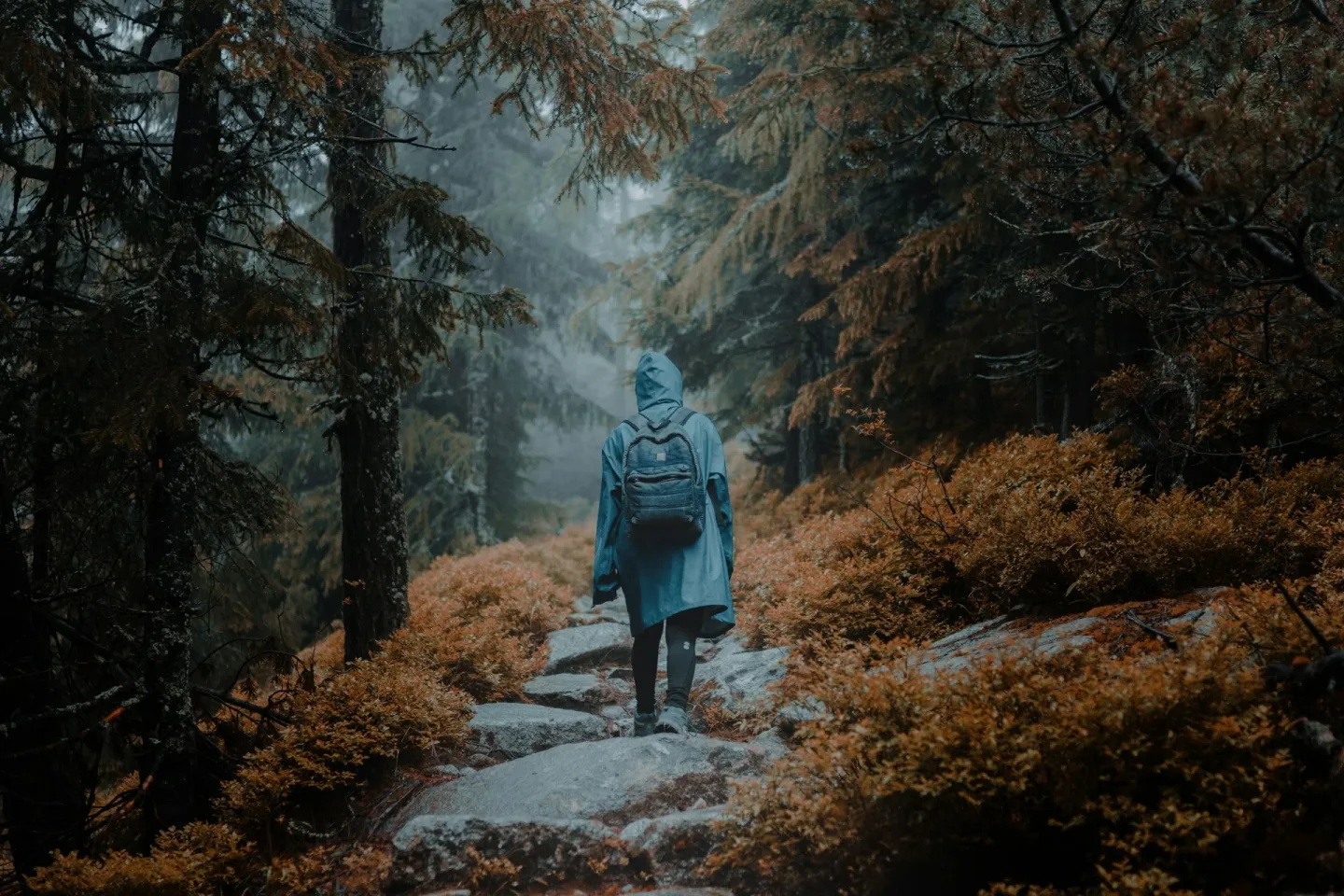
The weather rarely cooperates perfectly. A good women's rain jacket is one of the few pieces of gear that genuinely affects both your safety and your willingness to get outside when the forecast isn't ideal. But here's the catch: not all rain jackets are built for the trail. A jacket that keeps you dry in the city can leave you soaking in sweat after a mile of uphill hiking.
A woman's rain jacket designed for hiking is a waterproof or highly water-resistant outer shell, built to block rain and wind while still allowing moisture vapor from your body to escape outward. Unlike casual waterproof coats, trail-ready rain jackets for women prioritize breathability, packability, and a fit that moves with your body on uneven terrain.
This guide covers what actually makes a hiking rain jacket worth buying, then walks through 10 strong picks across different budgets, use cases, and trail conditions.
Why a Women's Rain Jacket Built for Hiking Is Different From a Casual Shell
Trail hiking puts very different demands on a rain jacket than walking around a city. You're generating body heat, sweating hard on climbs, stopping suddenly in cold wind, scrambling over rocks, and wearing a pack that interacts with the jacket's fit and hood. A casual waterproof coat handles none of that particularly well.
The gap between a basic water-resistant shell and one of the best rain jackets for women on trail comes down to a few core differences:
- Casual jackets seal out rain but trap sweat, leaving you wet from the inside
- Trail jackets balance waterproofing with breathability so moisture vapor can escape
- Hiking-specific cuts allow full arm movement without the jacket riding up
- Hood design on trail jackets adjusts to fit over a helmet or coordinate with pack straps
- Packability matters when you're carrying the jacket in a daypack for miles before needing it
If you're mostly hiking in mild conditions or short distances, a basic waterproof jacket might serve you fine. But for serious day hikes, multi-day trips, or technical terrain, the difference is real.

What Makes a Women's Rain Jacket Worth Buying for the Trail?
The best rain jackets for women combine waterproofing, breathability, packability, fit, and smart trail-specific design. Here's what to look at when shopping.
- Waterproof Protection: Waterproofing comes from two places: the membrane (like Gore-Tex or a brand's proprietary laminate) and the DWR (Durable Water Repellent) coating on the outer fabric. A jacket rated at 20,000mm hydrostatic head or higher handles sustained heavy rain well. Anything below 10,000mm is light-duty at best.
- Breathability: Breathability is measured in grams of moisture vapor that can pass through one square meter of fabric in 24 hours. A jacket rated at 20,000g/m² or above performs well during high-output hiking. Below 10,000g/m², and you'll feel clammy on hard climbs.
- Weight and Packability: Trail-specific rain jackets for women typically weigh between 200g and 400g and compress into their own pocket or a small stuff sack. If your jacket won't fit in your pack's hip belt pocket, it's going to become a burden on longer hikes.
- Fit, Hood, Cuffs, and Hem: A hiking-specific women's rain jacket uses articulated patterning at the shoulders and elbows, cut for full arm movement. The hood should cinch close around your face with a wired brim for wind resistance. Velcro cuffs keep rain from running down your arms, and a drop hem (longer in the back) gives coverage over the pack waistbelt areas.
10 Trail-Ready Women's Rain Jackets Worth Considering
Here are 10 strong options across different budgets, weights, and use cases. All are purpose-built for hiking, not just marketed as outdoor-adjacent.
Top Picks at a Glance
| Jacket | Best For | Weight | Waterproof Rating |
| Patagonia Torrentshell 3L | Best all-around value | 330g | H2No Performance Standard |
| Arc'teryx Beta SL | Most packable premium | 235g | Gore-Tex |
| Outdoor Research Aspire 3L | Best for shoulder season | 370g | Gore-Tex Paclite Plus |
| REI Co-op XeroCloud 3L | Best budget 3-layer | 270g | Proprietary 3L |
| Mountain Hardwear Stretch Ozonic | Best stretch and mobility | 385g | Dry.Q Active |
| Black Diamond Fineline Stretch | Best for technical terrain | 310g | BD.dry |
| Marmot Minimalist Pertex | Best ultralight option | 227g | GORE-TEX Paclite |
| Rab Downpour Plus 2.0 | Best for wet climates | 360g | Proflex 2.5L |
| Columbia OutDry Extreme Mesh | Best for hot-weather rain | 310g | OutDry Extreme |
| Helly Hansen Loke | Best entry-level trail shell | 350g | Helly Tech Performance |
1. Patagonia Torrentshell 3L
Best for: Hikers who want reliable all-around performance without paying for premium tech.
The Torrentshell 3L is one of the most trusted names in hiking rain shells, and for good reason. It uses Patagonia's H2No Performance Standard 3-layer construction, which delivers solid waterproofing and meaningful breathability at a mid-range price. The fit is relaxed enough for layering without being sloppy. The hood adjusts at the brim and back, fits over a helmet, and stays put in the wind. A chest pocket doubles as a stuff sack for pack-friendly portability.
Pros: Durable, packable, proven on trail, fair price for 3-layer construction, sustainable materials
Cons: Not the most breathable option for high-output hiking, slightly heavier than ultralight competitors
Who should choose it: Hikers looking for a dependable do-everything rain jacket that holds up across seasons and conditions without stretching the budget.
2. Arc'teryx Beta SL Jacket
Best for: Weight-conscious hikers who won't compromise on waterproof performance.
The Beta SL is one of the lightest Gore-Tex jackets available, and it genuinely doesn't feel like a sacrifice. At 235g, it packs down to almost nothing, yet the Gore-Tex construction delivers best-in-class waterproofing and solid breathability. The fit is trim and athletic. The hood is helmet-compatible and adjusts with one hand. Core seams are fully taped. This is a jacket you forget you're carrying until you need it.
Pros: Exceptional packability, proven Gore-Tex waterproofing, excellent hood design, clean fit
Cons: Premium price point, minimal pockets, less forgiving for heavy layering underneath
Who should choose it: Serious hikers and fastpackers who prioritize weight and packability and are willing to invest in long-term quality.
3. Outdoor Research Aspire 3L Jacket
Best for: Hikers who move between cool and wet conditions frequently.
The Aspire 3L uses Gore-Tex Paclite Plus, a version of Gore-Tex specifically optimized for packability without losing weatherproofing. It's a bit heavier than the Arc'teryx but adds practical features: more pocket space, a longer hem that covers your backpack waistbelt zone, and a structured cut that layers well over fleece. The hood adjusts well and includes a wire brim for shape in the wind.
Pros: More practical pocket layout than many competitors, good coverage at the hem, and solid layering room
Cons: Heavier than ultralight options, breathability adequate but not best-in-class
Who should choose it: Day hikers and backpackers who want a practical, feature-rich jacket that covers all conditions across a full hiking season.
4. REI Co-op XeroCloud 3L Rain Jacket
Best for: Budget-conscious hikers who want genuine 3-layer construction.
Most jackets in this price range use 2.5-layer construction (a face fabric with a laminated interior coating, no separate backing). The XeroCloud delivers true 3-layer construction at a noticeably lower price, which means better durability, softer interior feel, and longer-lasting waterproof performance. It's not as breathable as Gore-Tex options, but for occasional or less intense hiking, it's a genuinely good value.
Pros: True 3-layer construction at a competitive price, comfortable interior, REI's return policy
Cons: Breathability lags behind premium options, heavier than comparable jackets, and limited colorways
Who should choose it: Hikers building their first serious gear kit who want quality construction without the premium price tag.
5. Mountain Hardwear Stretch Ozonic Jacket
Best for: Hikers who prioritize freedom of movement on technical or steep terrain.
The Stretch Ozonic is built around a 3-layer stretch fabric that moves differently from most rain jackets. Where standard shells can feel stiff during scrambling or big arm movements, this one flexes with you. The Dry.Q Active technology provides solid waterproofing and above-average breathability. It's one of the better options for women who hike aggressively and find standard shells restrictive.
Pros: Exceptional mobility, above-average breathability, comfortable over a wide range of motion
Cons: Heavier than comparable non-stretch jackets, less packable, premium price
Who should choose it: Technical hikers, scramblers, and anyone who finds standard rain jackets binding during high-output movement.
6. Black Diamond Fineline Stretch Shell
Best for: Trail-focused hikers who want stretch performance at a more accessible price.
The Fineline Stretch uses BD.dry stretch fabric to deliver similar mobility to the Stretch Ozonic at a lower cost. It's a 2.5-layer construction rather than a 3-layer, which affects long-term durability slightly, but for day hikers who aren't putting jackets through sustained heavy use, the difference is minimal. Good hood, clean fit, and decent packability round it out.
Pros: Stretch mobility at a lower price than premium options, good hood design, lightweight
Cons: 2.5-layer durability is lower than 3-layer, breathability is adequate but not exceptional
Who should choose it: Active day hikers who want stretch performance without paying full premium-tier prices.
7. Marmot Minimalist Pertex Jacket
Best for: Ultralight hikers and backpackers who want the lightest possible protection.
At 227g, the Minimalist Pertex is one of the lightest serious hiking rain jackets on this list. It uses Gore-Tex Paclite technology and strips away non-essential features: minimal pockets, simple cuffs, and a clean hood. What's left is a jacket that excels at one thing: lightweight rain protection you can carry without noticing it. For hikers where pack weight is the primary concern, this is a top option.
Pros: Exceptional weight, genuine Gore-Tex protection, and it packs into its own chest pocket
Cons: Minimal features, less durable than heavier 3-layer options, not ideal for sustained heavy rain
Who should choose it: Backpackers and fastpackers who want the lightest viable rain protection and are willing to trade features for grams.
8. Rab Downpour Plus 2.0 Jacket
Best for: Hikers in consistently wet, temperate climates like the Pacific Northwest or the UK highlands.
The Downpour Plus 2.0 uses Proflex 2.5-layer construction with a DWR finish designed specifically for sustained heavy rain. It's slightly heavier and less packable than some competitors, but it excels at keeping you dry through long wet days. The cut accommodates layering, and the hood adjusts well. A strong option for hikers who spend serious time in reliably wet conditions.
Pros: Excellent performance in heavy sustained rain, good layering room, competitive price
Cons: Heavier and bulkier than ultralight options, the 2.5-layer has a lower durability ceiling
Who should choose it: Hikers in high-rainfall regions who prioritize keeping water out above all other factors.
9. Columbia OutDry Extreme Mesh Jacket
Best for: Hikers in warm, rainy conditions where overheating is the bigger risk.
Columbia's OutDry Extreme Mesh uses a unique construction where the waterproof membrane faces outward, eliminating the need for DWR treatments that wash out over time. The mesh backing significantly increases breathability compared to standard constructions. In warm, rainy conditions, where a standard rain jacket traps too much heat, this is one of the most comfortable options available.
Pros: Best breathability for hot-weather rain, no DWR degradation over time, durable construction
Cons: Heavier than comparable packable options, bulkier, less versatile in cold conditions
Who should choose it: Hikers in humid, warm, and rainy climates who sweat heavily and find standard rain jackets uncomfortably hot.
10. Helly Hansen Loke Jacket
Best for: New hikers and casual trail users who want a reliable entry-level shell.
The Loke uses Helly Tech Performance fabric, a solid 2.5-layer construction that handles moderate rain and wind reliably. It's not built for hard technical hiking or extended heavy rain, but for most day hikers on maintained trails in variable conditions, it performs well and costs less than most technical options. The fit is comfortable, the hood adjusts adequately, and it packs down reasonably well.
Pros: Accessible price, comfortable fit, reliable for everyday trail use, good color options
Cons: 2.5-layer limits durability and breathability compared to 3-layer competitors, not suitable for alpine or heavy-rain conditions
Who should choose it: Beginners, occasional hikers, and anyone who wants a capable everyday trail shell without the investment of premium gear.
What to Watch Out For When Buying a Women's Rain Jacket for Hiking
The biggest mistake hikers make is choosing a rain jacket based on waterproof rating alone, without considering breathability. A jacket rated 20,000mm waterproof but only 10,000g breathability will leave you soaked in sweat on any serious uphill. Both numbers matter, and they need to work together for the jacket to feel comfortable on the trail.
A few other honest considerations before you buy:
- DWR treatments wear off. Nearly every rain jacket relies on a Durable Water Repellent finish that degrades over time and with washing. Plan to reapply DWR treatment (spray-on or wash-in) every season if you hike regularly. Without it, the face fabric wets out, and breathability drops dramatically, even if the membrane is still waterproof.
- Fit over a pack changes everything. Try your jacket with your actual hiking pack before committing to it. Some jackets bind across the shoulders under a pack's straps. The hood may sit oddly with a pack's hip belt cinched. These issues show up on the trail, not in a store.
- Cheap jackets get expensive quickly. A $60 jacket that fails after one season costs more over time than a $200 jacket that lasts five years. Delamination, zipper failure, and membrane breakdown are common in very low-cost options.
For more on building a complete hiking gear system around your conditions, see our guide to essential hiking clothes for every season and weather.
The Right Women's Rain Jacket Keeps Hikes Safer and More Comfortable
The best women's rain jacket for hiking isn't the most expensive one or the most waterproof one. It's the one that matches your actual hiking conditions and gets carried on every trip. A lightweight, packable jacket you always have in your bag beats a premium technical shell left at home because it's too bulky.
Start with breathability if you hike hard. Prioritize waterproof rating if you hike in reliably wet climates. Prioritize weight if you backpack or cover long miles. And if you're still building your gear kit, check out our overview of how to choose hiking apparel for different weather conditions to see how a rain jacket fits into a full layering system.
The 10 jackets in this list cover the full range from beginner-friendly entry-level shells to ultralight technical options. Any one of them will outperform a casual waterproof coat on a real hiking trail.
Frequently Asked Questions
How breathable should a woman's rain jacket be for hiking?
For moderate day hiking, look for a breathability rating of at least 10,000g/m²/24h. For high-output hiking such as steep climbs or fast-paced trail efforts, 20,000g or higher provides noticeably better comfort. Below 10,000g, jackets tend to trap moisture during sustained activity and uphill sections.
Should a hiking rain jacket fit loose or snug?
A hiking rain jacket should fit trim but not tight. It needs enough space to layer a mid-layer or fleece underneath without restricting movement or pulling across the shoulders. At the same time, it shouldn’t be so loose that it bunches under a backpack. When you raise your arms, the hem should stay in place and mobility should feel unrestricted.
Are lightweight rain jackets durable enough for backpacking?
Ultralight rain jackets (under 200g) use thinner fabrics, making them less abrasion-resistant than heavier models. They work well for occasional backpacking on maintained trails if handled carefully. For longer trips, bushwhacking, or rocky terrain, a more durable 3-layer jacket with reinforced fabric is a better choice.
Do I need pit zips on a women's rain jacket for hiking?
Pit zips (underarm vents) improve ventilation during high-exertion climbs when breathability alone isn’t enough. They add slight weight and cost, but are valuable for warm or wet conditions and steep ascents. For casual hiking, they’re optional; for intense uphill hiking, they significantly improve comfort.
What is the best rain jacket length for hiking with a backpack?
A hip-length jacket that sits at or just below the top of your pack’s hip belt is ideal. This prevents rain from soaking into your midsection while avoiding interference with pack movement. Jackets that are too long may bunch under the hip belt, while shorter ones can expose your waist to rain.