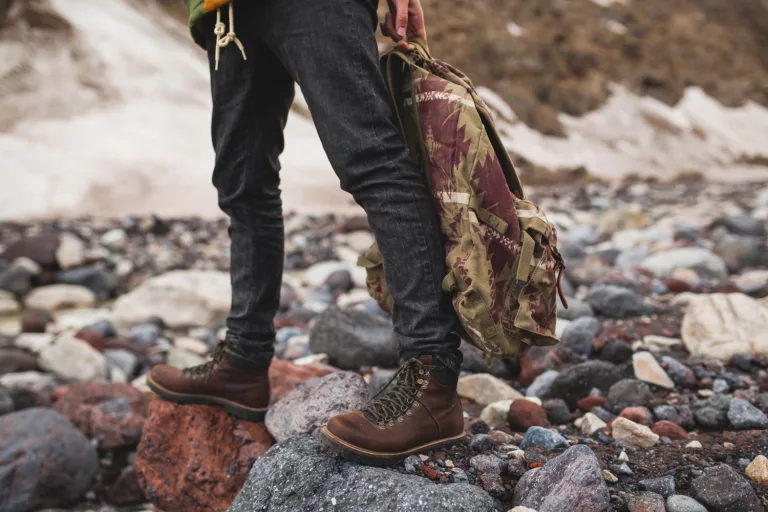
If you’ve ever had to stop mid-hike just to grab a water bottle, you already understand why hydration packs exist. They let you drink without breaking your pace, which matters more than people think on longer or hotter trails.
We looked at a range of hydration packs across different sizes and use cases, from lightweight options for short hikes to larger packs that can carry both water and gear. The focus wasn’t just on specs, but on how these actually feel to wear, how easy they are to use, and whether they hold up over time.
Backpacker's Pick
Best for moving fast and light on the trail
The best hiking gear helps you conquer the miles by stripping away unnecessary weight without sacrificing performance — an ultra-breathable technical shell, lightweight carbon trekking poles, or trail runners engineered for maximum traction on rugged terrain.
- Oakley Shop hiking gear at Oakley
- Mountain Hardwear Shop hiking gear at Mountain Hardwear
- Columbia Sportswear Shop hiking gear at Columbia Sportswear
- Sorel Shop hiking gear at Sorel
- Garmin Shop hiking gear at Garmin
Below are the best hydration packs right now, followed by a simple guide to help you choose the right one.
Quick Picks
- Best overall: Osprey Skarab 30 Hydration Pack
- Best premium / long hikes: Osprey Manta 24 Hydration Pack
- Best lightweight: CamelBak Arete 14 Hydration Pack
- Best for day hikes: Osprey Skimmer 16 Hydration Pack
- Best budget: REI Co-op Flash 18 Pack
- Best hybrid: CamelBak Rim Runner X30 Hydration Pack
| Pack | Storage | Reservoir | Weight | Best for | Key feature |
|---|---|---|---|---|---|
| Osprey Skarab 30 | 30L | 2.5L | 1.6 lbs | Overall use | Balanced storage + hydration |
| Osprey Manta 24 | 24L | 2.5L | 3.4 lbs | Long hikes | Premium support + ventilation |
| Osprey Skimmer 16 | 16L | 2.5L | 1 lb | Day hikes | Lightweight and stable fit |
| CamelBak Arete 14 | 12.5L | 1.5L | 0.6 lbs | Lightweight use | Minimal and compact |
| REI Flash 18 | 18L | Compatible | ~0.6 lbs | Budget | Simple and versatile |
| CamelBak Rim Runner X30 | 30L | 2L | 2 lbs | Hybrid use | Good mix of storage + hydration |
1. Osprey Skarab 30 Hydration Pack - Best Overall
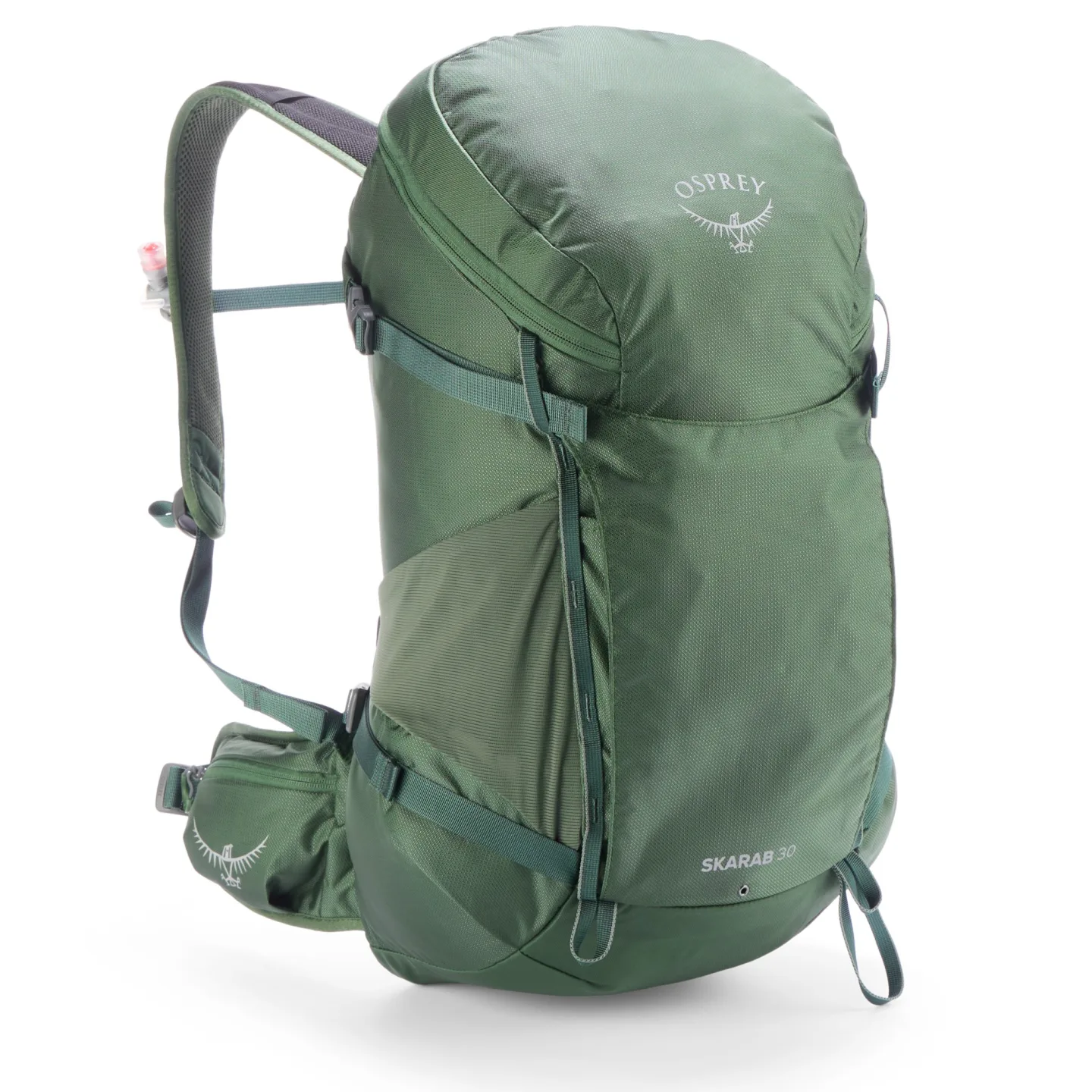
This is the kind of pack you can take almost anywhere. It’s big enough for longer hikes but not bulky, and the hydration system is well integrated without getting in the way.
- Capacity: 30L
- Reservoir: 2.5L included
- Weight: 1.6 lbs
- Material: Durable nylon
- Storage: Multiple compartments + external pockets
Why We Recommend It
If you only want to buy one hydration pack, this is probably it. It works for short hikes, longer days, and even gear-heavy outings without feeling like a compromise.
✔ Pros
- Balanced size suitable for most hikes
- Comfortable even when fully loaded
- Good organization without overcomplication
- Reliable hydration system
✖ Cons
- Slightly overkill for short hikes
- Not the lightest option
2. Osprey Manta 24 Hydration Pack - Best Premium / Long Hikes
This is more of a technical pack. It’s designed for longer days where comfort and ventilation really start to matter.
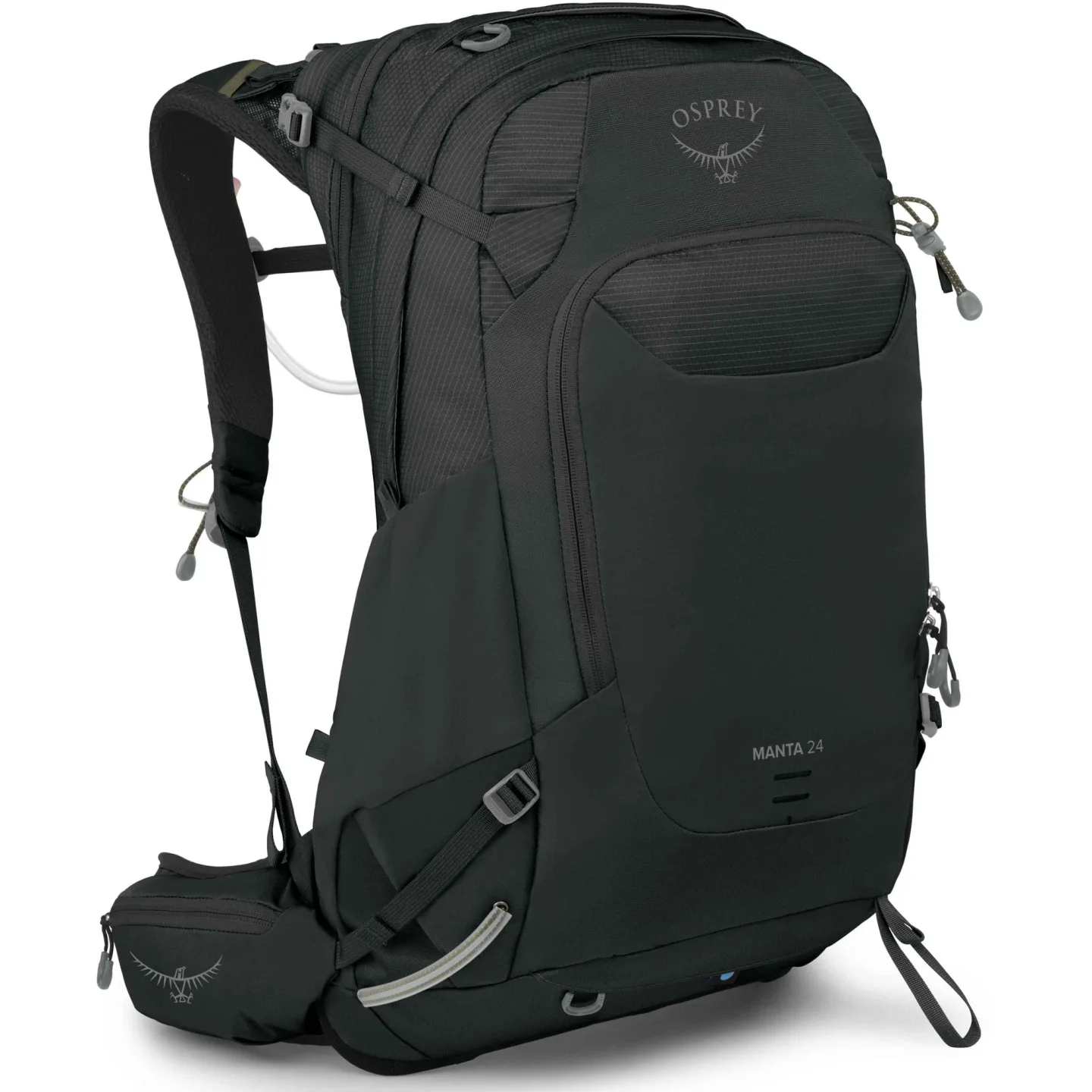
- Capacity: 24L
- Reservoir: 2.5L
- Weight: 3.4 lbs
- Ventilated back panel
- Integrated rain cover
Why We Recommend It
If you hike in warm conditions or carry more gear, this is where the extra money makes sense. It’s noticeably more comfortable over long distances.
✔ Pros
- Excellent airflow on the back
- Very stable under load
- High-quality build
- Extra features like a rain cover
✖ Cons
- Heavier than most alternatives
- More expensive than comparable packs
3. Osprey Skimmer 16 Hydration Pack - Best for Day Hikes
A simple, reliable day-hike pack that covers the essentials without adding unnecessary bulk.
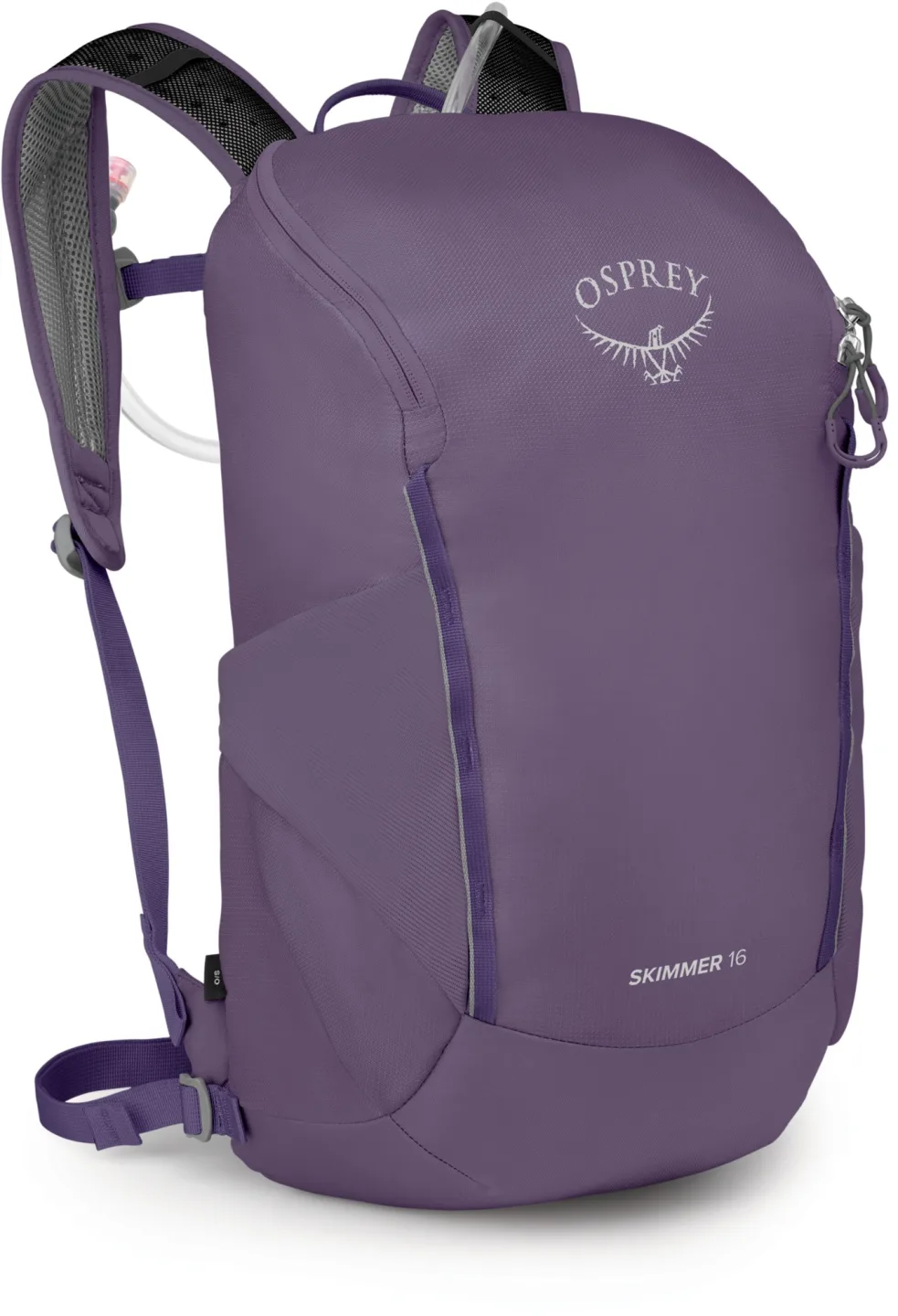
- Capacity: 16L
- Reservoir: 2.5L
- Weight: 1 lbs
- Lightweight frame
- Streamlined storage
Why We Recommend It
A perfectly sized, no-fuss pack that covers the essentials for most day hikes. This is what most hikers actually need. It’s the right size for snacks, layers, and water, without feeling heavy or oversized.
✔ Pros
- Great size for most day hikes
- Comfortable and stable fit
- Simple design without unnecessary complexity
- Good hydration capacity
✖ Cons
- Limited space for bulky gear
- Not ideal for longer trips
4. CamelBak Arete 14 Hydration Pack – Best Lightweight
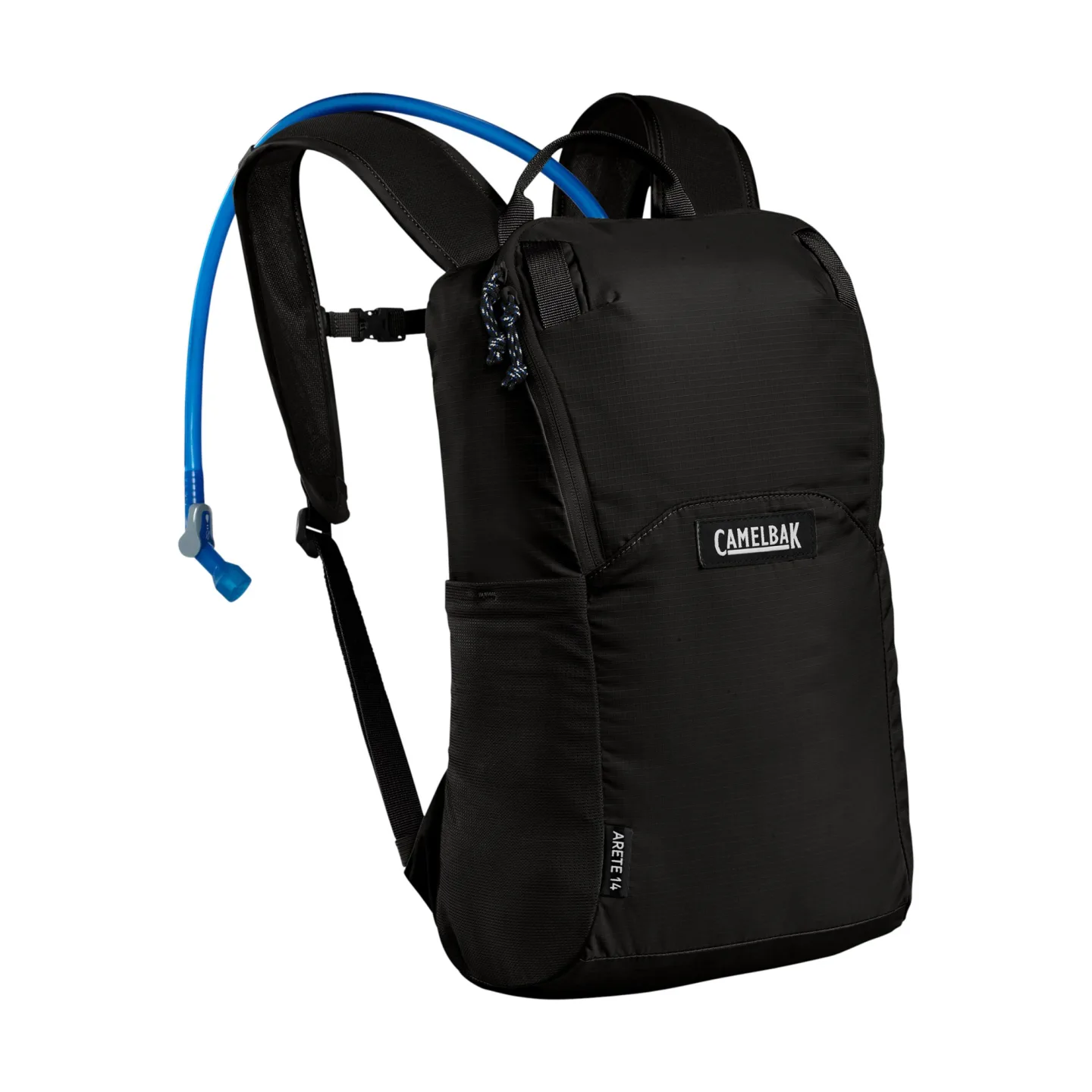
If you want something minimal, this is it. It’s light, simple, and easy to carry without noticing it much.
- Capacity: 12.5L
- Reservoir: 1.5L
- Weight: 0.6 lbs
- Compact design
Why We Recommend It
Great for quick hikes, hot days, or anyone who prefers to travel light. It does exactly what it needs to without adding anything extra.
✔ Pros
- Very lightweight and easy to carry
- Packable design for travel convenience
- Great for short hikes or casual use
- Simple, no-fuss setup
✖ Cons
- Limited water capacity
- Minimal storage space
5. REI Co-op Flash 18 Pack - Best Budget
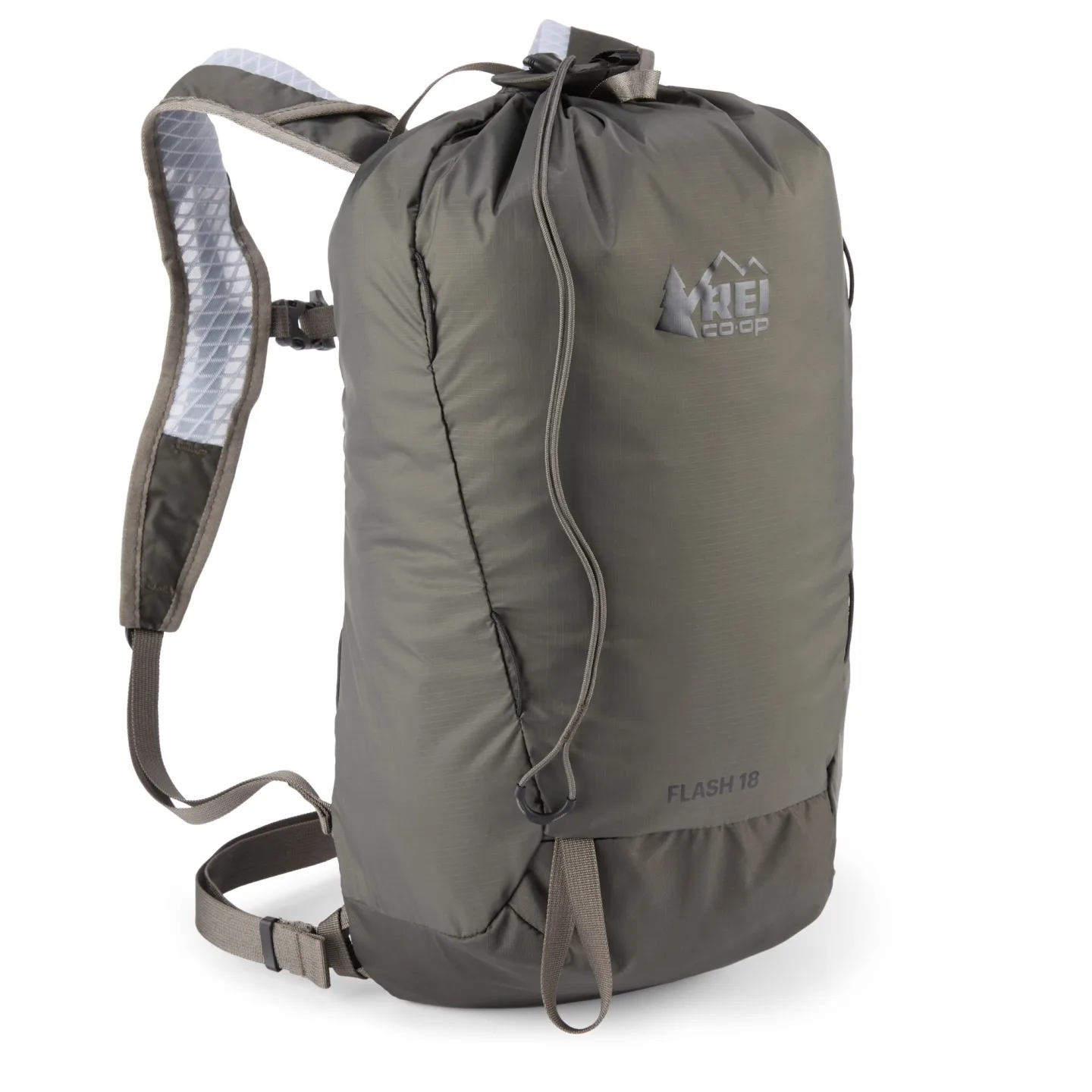
Technically not a dedicated hydration pack, but it works well if you use a hydration reservoir.
- Capacity: 18L
- Reservoir: Compatible
- Weight: ~0.6 lbs
- Minimalist design
Why We Recommend It
If you’re just getting started or want something flexible, this is a solid option. You can use it beyond hiking too.
✔ Pros
- Affordable and budget-friendly
- Lightweight and easy to carry
- Versatile for multiple use cases
- Simple, durable construction
✖ Cons
- No built-in hydration system
- Basic structure with limited features
6. CamelBak Rim Runner X30 Hydration Pack - Best Hybrid
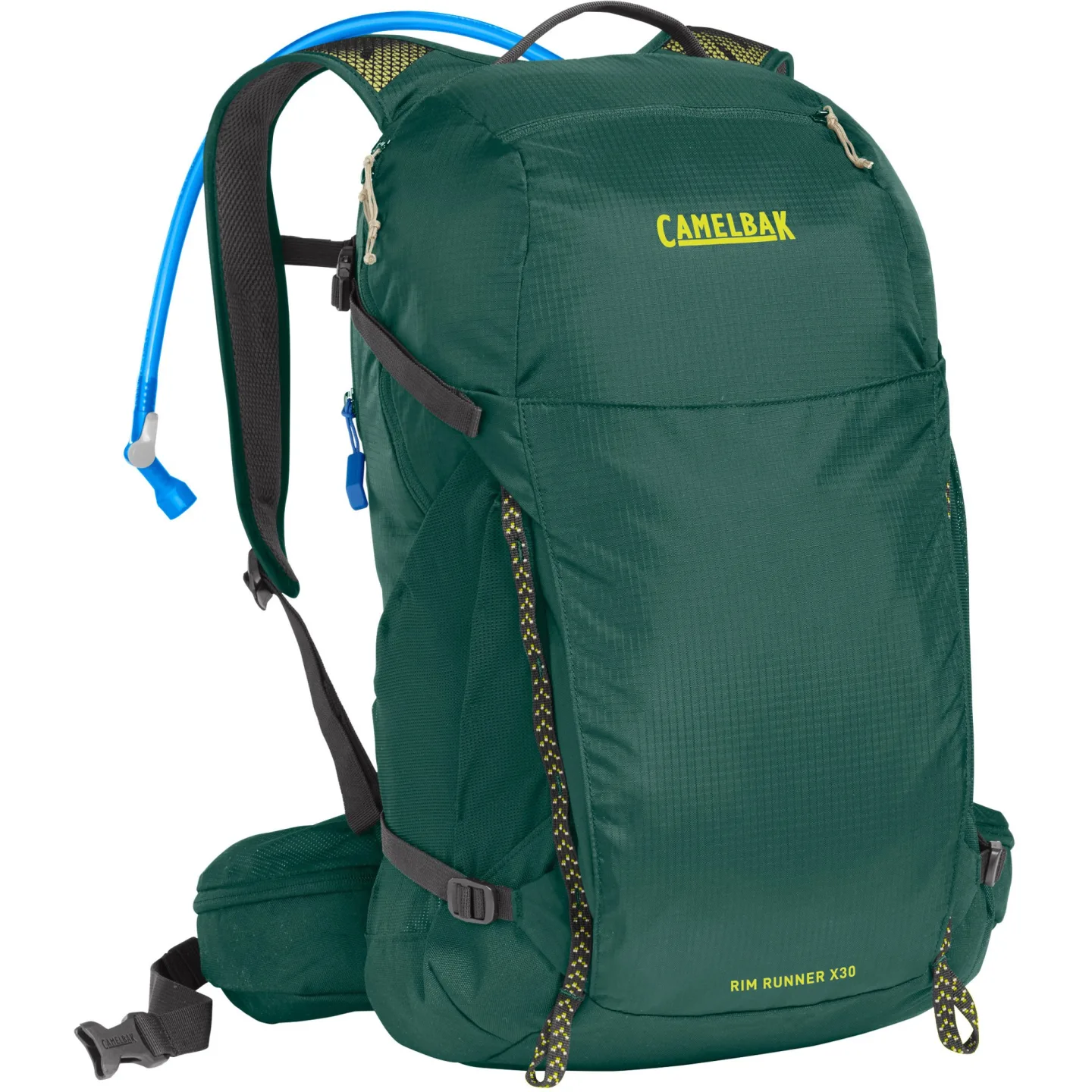
This sits somewhere between a hydration pack and a traditional backpack.
- Capacity: 30L
- Reservoir: 2L
- Weight: 2 lbs
- Multiple compartments
Why We Recommend It
If you want one pack that can handle both hydration and gear, this is a practical middle ground.
✔ Pros
- Balanced mix of storage and hydration
- Comfortable for longer wear
- Well-organized layout for quick access
✖ Cons
- Heavier than smaller alternatives
- Slightly bulkier feel
How We Tested and Ranked the Best Hydration Packs
Not all hydration packs feel different when you first try them on, the differences show up once you’ve been hiking for a while. That’s where things like fit, stability, and ease of use start to matter. The packs below were selected based on how they actually perform during real use, not just how they look on paper, especially in situations similar to a typical day hike or something planned using a guide like this on how to prepare for a hiking trip.
Real-World Testing Conditions
We didn’t judge these packs based on specs alone. The focus was on how they perform during actual hikes, especially over a few hours when small issues start to show up.
Things like pack stability, how often you need to adjust straps, and how easy it is to drink while moving matter more than weight on paper. Packs that felt fine at the start but became uncomfortable after some time didn’t make the cut.
We also paid attention to how they handle different situations, such as warmer conditions, uneven terrain, and carrying a bit of extra gear.
Key Evaluation Criteria
Instead of overcomplicating it, we focused on a few things that actually affect your experience:
- Comfort and fit: does it stay stable without bouncing or pulling?
- Hydration usability: easy to drink from, refill, and clean
- Storage: enough space for essentials without making the pack bulky
- Durability: materials that hold up to regular trail use
The best packs weren’t the ones with the most features, they were the ones that felt natural to wear and didn’t get in the way.
Quick overview





What Makes a Great Hydration Pack
A good hydration pack shouldn’t make you think about it while you’re hiking. The right one feels stable, gives you easy access to water, and carries just enough without getting in the way. The details below are the ones that actually make a difference once you’re on the trail.
Reservoir Capacity and Hydration System
Most people end up choosing between 1.5L, 2L, and 3L reservoirs. For shorter hikes, 1.5–2L is usually enough. For longer or hotter days, 3L gives you more flexibility without needing to refill.
More important than capacity is how easy it is to actually use. If the hose is awkward or the reservoir is difficult to refill, it quickly becomes frustrating.
Storage and Gear Capacity
This is where it’s easy to overdo it. Most hikes don’t require much - a light layer, snacks, and a few small items, especially if you’re already carrying essentials from your best hiking gadgets setup.
Packs with too much storage tend to feel bulkier and less stable. The better options give you just enough space without turning into a full backpack.
Comfort and Fit
This is what separates a good pack from one you regret buying.
A well-fitting hydration pack should sit close to your back and stay in place without constant adjustment. If it shifts or creates pressure points, you’ll notice it within the first hour.
Ventilation and Breathability
Not every pack handles heat well. On warmer hikes, a poorly ventilated back panel can make things uncomfortable quickly.
Mesh or suspended back designs help, especially if you’re hiking in summer or moving at a faster pace.
Durability and Weather Resistance
You don’t need something fully waterproof, but it should handle normal trail conditions without issues.
Stronger materials and good zippers make a difference over time, especially if you use the pack regularly.
Conclusion: Best Hydration Packs for Every Type of Hiker
There’s no single “best” hydration pack, but some choices are easier than others. If you’re unsure, a mid-size pack like the Skarab 30 or Skimmer 16 will cover most hikes without feeling like a compromise. From there, it really comes down to how much water and gear you carry: lighter setups for short hikes, larger packs if you’re out longer or need extra storage.
There’s no single “best” hydration pack, but some choices are easier than others. If you’re unsure, a mid-size pack like the Skarab 30 or Skimmer 16 will cover most hikes without feeling like a compromise. From there, it really comes down to how much water and gear you carry: lighter setups for short hikes, larger packs if you’re out longer or need extra storage.
FAQs
What size hydration pack is best for hiking?
Most hikers do well with 10–20L for day hikes, and 20–30L if carrying more gear.
How much water should a hydration pack hold for a day hike?
Usually 2–3 liters, depending on weather and intensity.
Are hydration packs better than water bottles for hiking?
They’re more convenient, especially for longer hikes where stopping frequently isn’t ideal.
Can you use a hydration pack for long or multi-day hikes?
Yes, but larger backpacks are usually better for multi-day trips, especially if you’re choosing from more full-featured options like these best hiking backpacks.
How do you clean a hydration pack reservoir properly?
Rinse after each use and let it dry fully. Occasional deep cleaning helps prevent buildup.