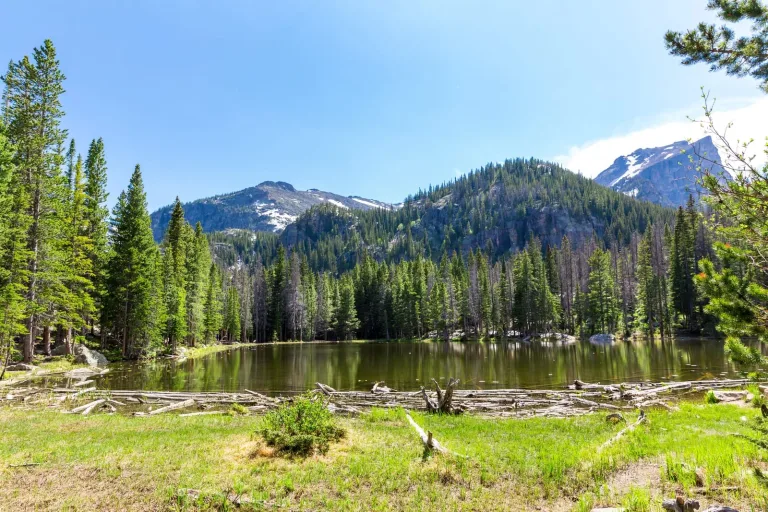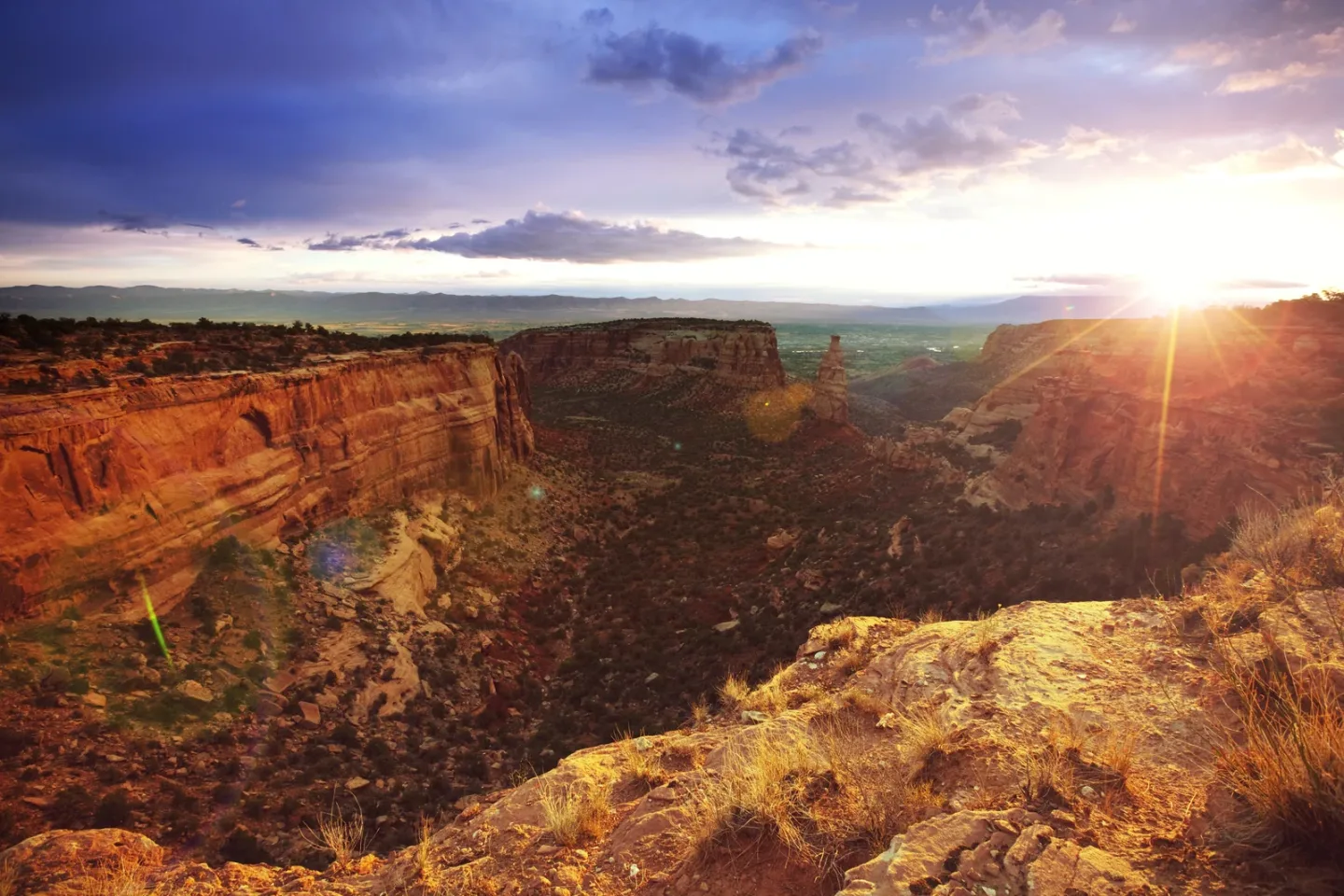
According to the Outdoor Recreation Participation Trends Report by the Outdoor Foundation (2023), hiking is the most popular outdoor activity in the United States, with over 59 million participants annually, and Colorado consistently ranks among the top destinations driving that number. If you've been scrolling through photos of turquoise alpine lakes and dramatic mountain ridgelines, wondering what you're missing, the answer is: a lot. Colorado's trails are genuinely that good.
The best places to hike in Colorado span an almost unfair range of scenery - we're talking alpine lakes so blue they look edited, 14,000-foot summits you can stand on, slot canyons, triple waterfalls, and wildflower meadows that explode every July. A Colorado hiking trail is essentially any maintained path through the state's diverse landscapes, from its famous "fourteeners" (peaks above 14,000 feet) to its canyon country in the south and the rolling forests of its mesa country.
Whether you're a first-timer looking for something flat and scenic, an intermediate hiker ready to push into the high country, or an experienced mountaineer chasing summits, this list covers you. Here are 15 of the best hikes in Colorado, organized by skill level, so you can find exactly the right one for where you're at.
Why Is Colorado One of the Top Hiking Destinations in the United States?
Colorado earns its reputation because the variety is almost unmatched. Few states can offer so many completely different landscapes within a few hours' drive of each other.
The state is home to 58 fourteeners - more than any other state in the contiguous U.S. It also has sprawling national parks, alpine wilderness areas, red rock formations, ancient forests, and hundreds of miles of river corridors. On a single trip, you could hike through wildflower meadows in the morning and stand on a windswept tundra ridge by afternoon.
Here's a quick snapshot of what Colorado's landscape has to offer:
| Landscape Type | Best Example Location | Typical Season |
| Alpine Lakes | Rocky Mountain National Park | July - September |
| 14ers (Summit Hikes) | Grays Peak, Mount Elbert | July - September |
| Waterfalls | Hanging Lake, Rifle Falls | May - October |
| Red Rock Formations | Garden of the Gods | Year-round |
| Wildflower Meadows | Blue Lakes Trail, Ridgway | Mid-July - August |
| Canyon Scenery | Royal Gorge Area | Year-round |
Colorado's trail infrastructure is also excellent. Many of the best hiking trails in Colorado are well-marked, maintained by dedicated ranger teams, and accessible from major cities like Denver, Boulder, and Colorado Springs with minimal driving.
What Are the Best Colorado Hiking Trails for Beginners?
Beginner-friendly Colorado hiking trails are defined by low elevation gain (under 500 feet), clear signage, and payoffs that don't require you to suffer for them. These five trails check all those boxes.
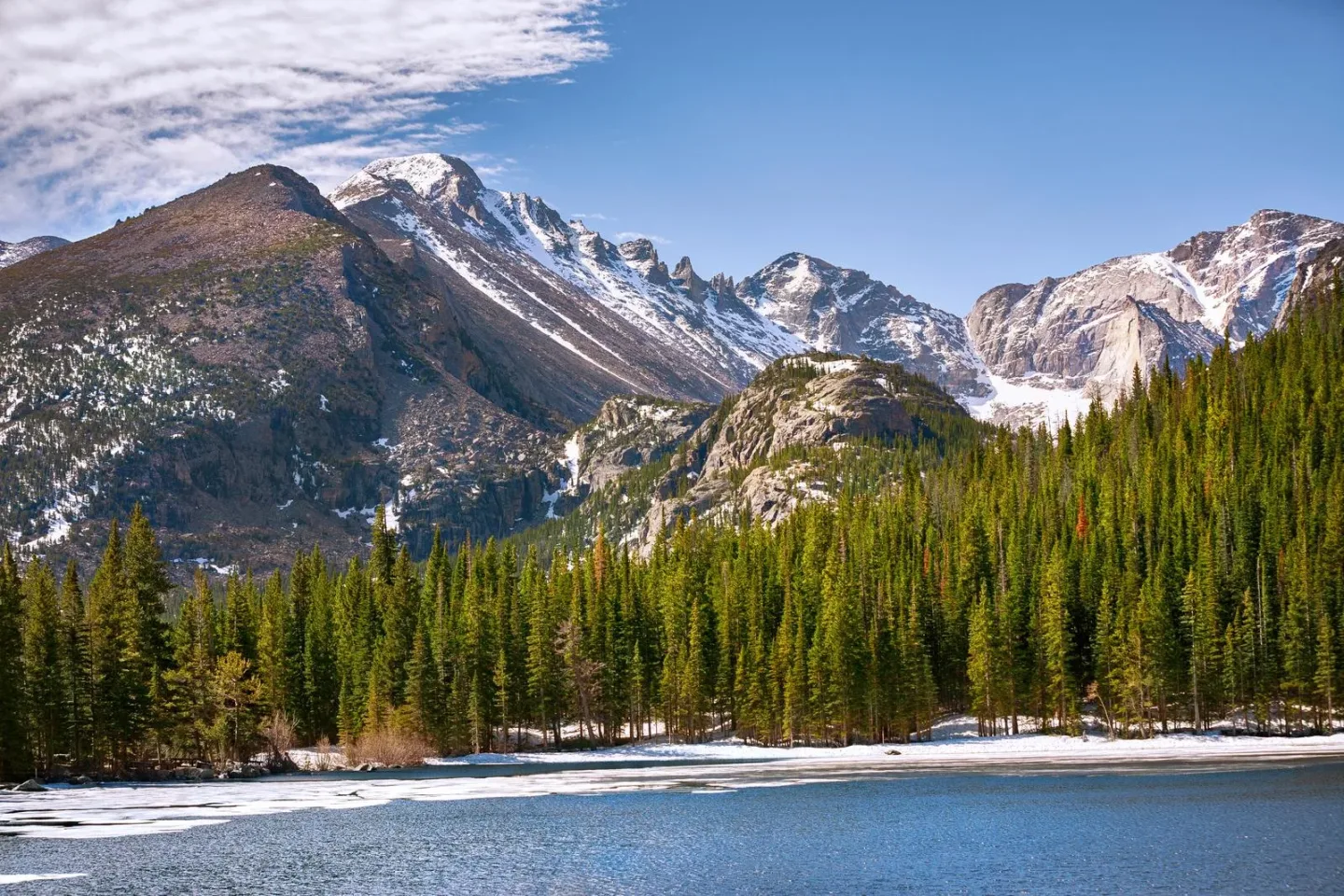
1. Bear Lake Trail (Rocky Mountain National Park)
- Distance: 0.8 miles
- Elevation Gain: 20 feet
- Difficulty: Easy
Bear Lake is the most accessible hike in Rocky Mountain National Park, and it earns that reputation. The flat loop circles a stunning glacial lake with Hallett Peak and Flattop Mountain framing the background - the kind of scenery that made you book the trip in the first place.
Wildlife sightings are common here: deer, elk, and various bird species appear regularly. The best time to visit is early morning in late June through September, when the light on the mountains is soft, and the crowds haven't arrived yet. This is an ideal first Colorado hiking trail for anyone testing their trail legs.
2. Alberta Falls Trail (Rocky Mountain National Park)
- Distance: 1.7 miles round trip
- Elevation Gain: 160 feet
- Difficulty: Easy
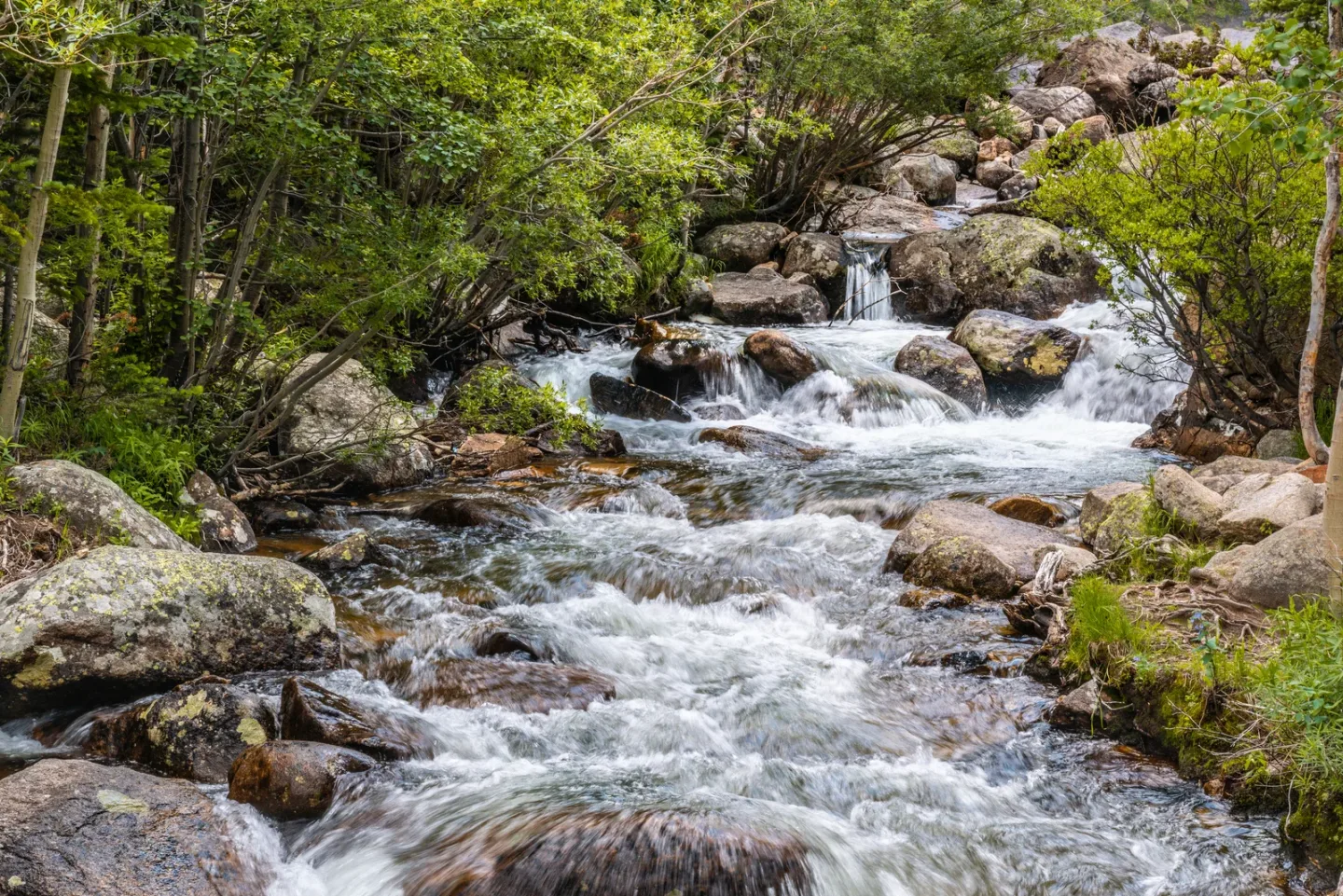
Alberta Falls rewards hikers with a gorgeous waterfall after less than a mile of easy walking through pine forest. The trail follows Glacier Creek the whole way, which means the sound of rushing water accompanies you for most of the hike.
It's one of the most popular hiking spots in Colorado for families - kids love the waterfall, and the trail is wide enough to walk side by side comfortably. Go in late spring or early summer for peak water flow.
3. Garden of the Gods - Perkins Central Garden Trail (Colorado Springs)
- Distance: 1.5 miles
- Elevation Gain: 100 feet
- Difficulty: Easy
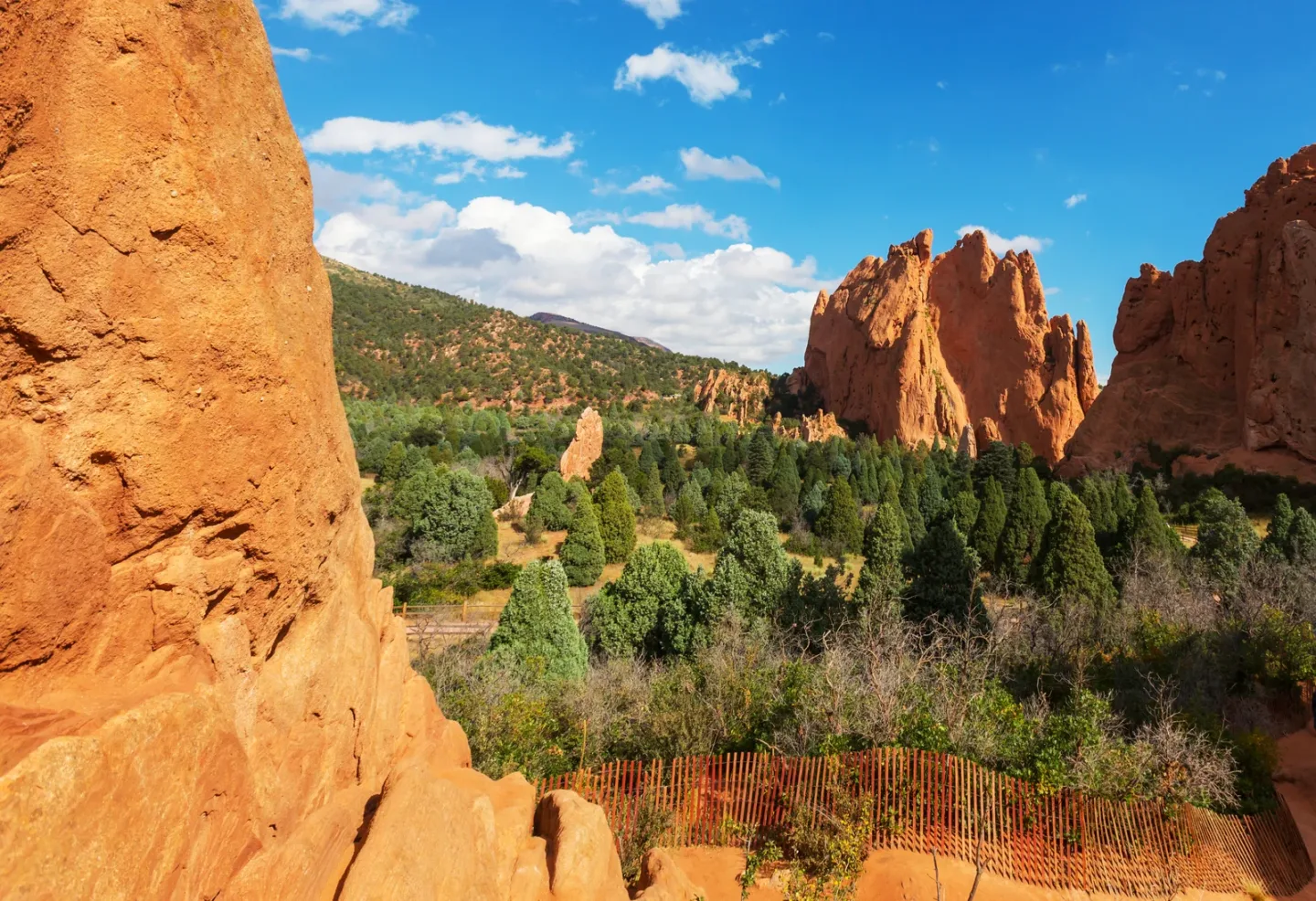
Garden of the Gods is one of the most visually dramatic hiking spots in Colorado - towering red sandstone formations rising hundreds of feet against a backdrop of Pikes Peak. The Perkins Central Garden Trail winds through the heart of the park and is paved, making it accessible to strollers and wheelchairs, too.
Sunrise and sunset are the magic hours here. The red rock turns deep orange and crimson in low light, and the photography opportunities are exceptional. It's also free to enter, which makes it one of the best value hikes in the state.
4. Lily Lake Loop (Estes Park)
- Distance: 1.8 miles
- Elevation Gain: 35 feet
- Difficulty: Easy
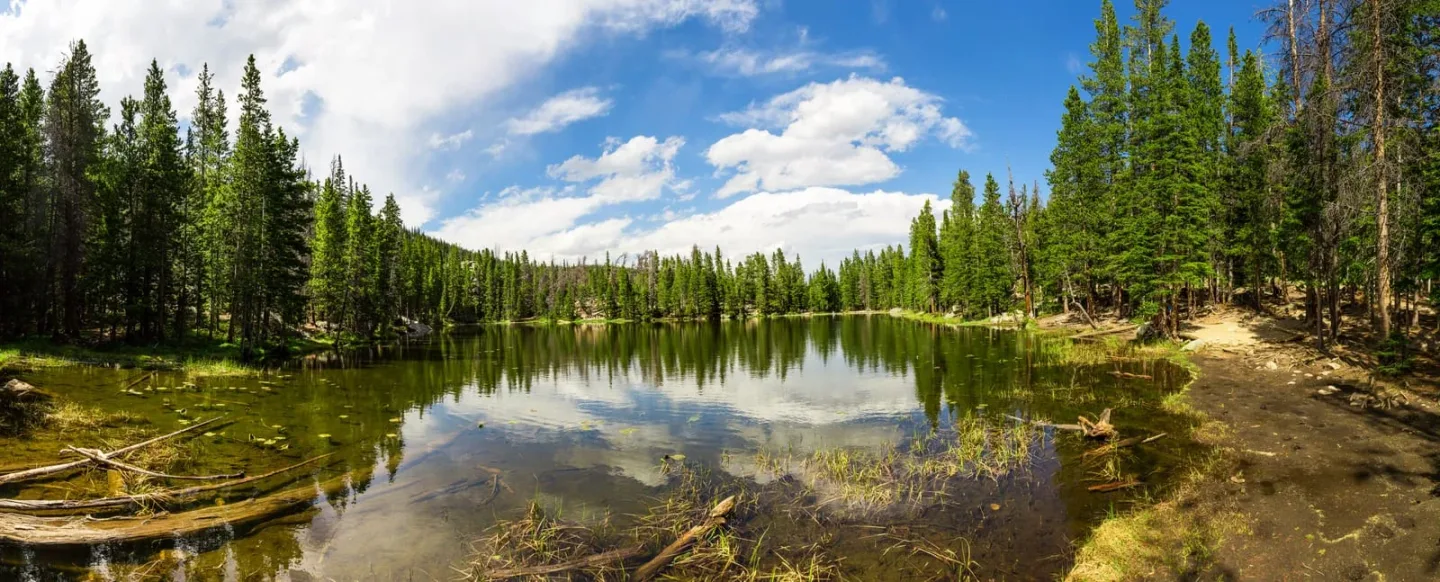
Lily Lake sits just outside Rocky Mountain National Park and offers a completely flat loop around a peaceful mountain lake with Longs Peak looming in the background. This is an ideal hike for older adults, families with small kids, or anyone who just wants a calm, beautiful walk without any real exertion.
Best time to visit: June through October. Wildflowers line the lakeside path in midsummer, and the mountain reflections on still mornings are stunning.
5. Rifle Falls State Park Trail
- Distance: 1.5 miles
- Elevation Gain: 100 feet
- Difficulty: Easy
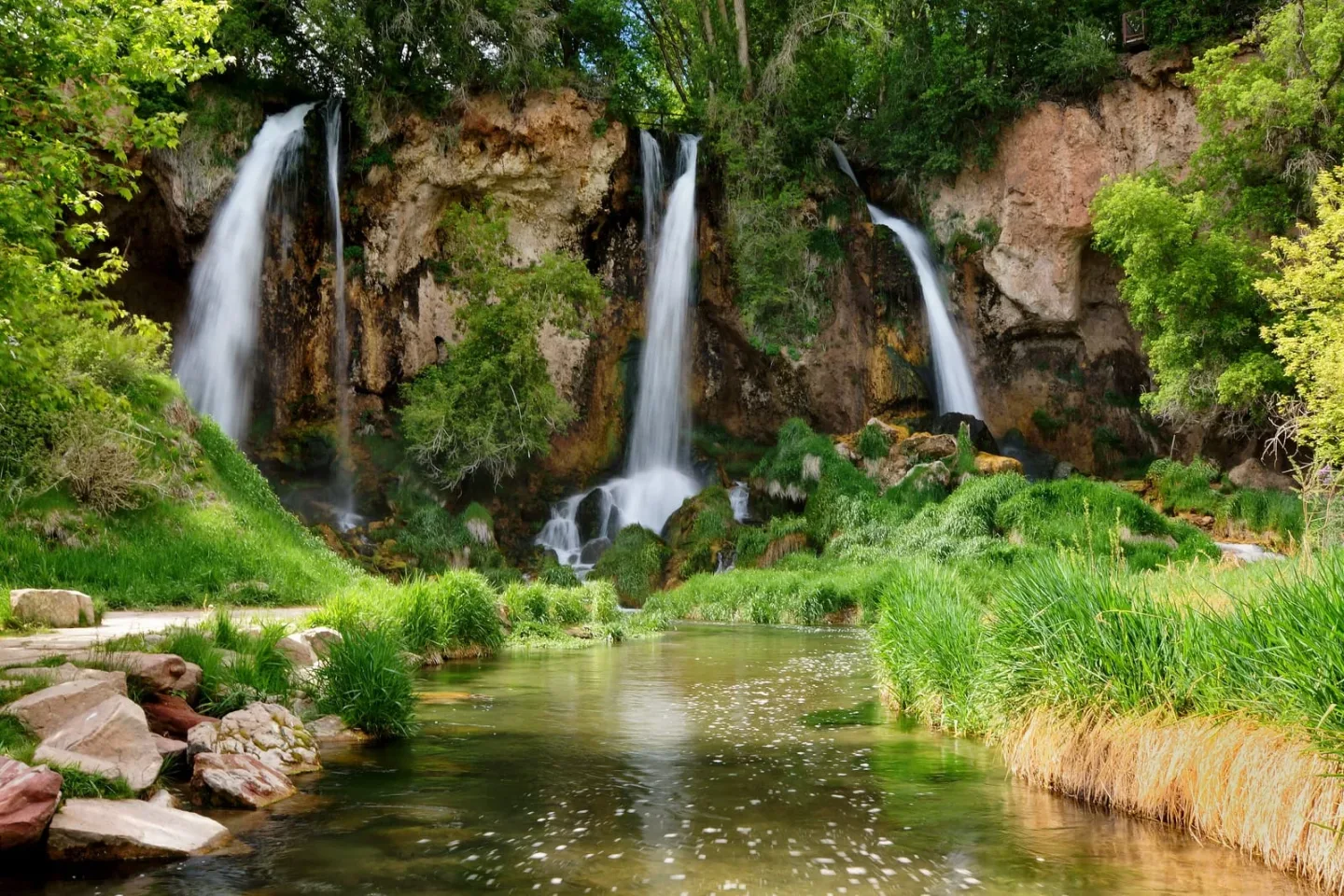
Rifle Falls is genuinely one of the most surprising hiking spots in Colorado. Three separate waterfalls cascade 70 feet into a lush, mossy grotto - something that feels more like the Pacific Northwest than the Colorado high desert. The hike is short, and the payoff is enormous, making it perfect for beginners or anyone traveling with kids.
Behind the falls, you'll find small limestone caves worth exploring.
Best seasons: spring and early summer for the heaviest water flow, though the trail is accessible most of the year.
What Are the Best Hikes in Colorado for Intermediate Hikers?
Intermediate Colorado hiking trails push you a bit - more elevation gain, longer distances, and more exposed terrain - but reward you with scenery that's genuinely breathtaking. These trails typically involve 1,000 to 2,500 feet of gain and 4-10 miles of distance.
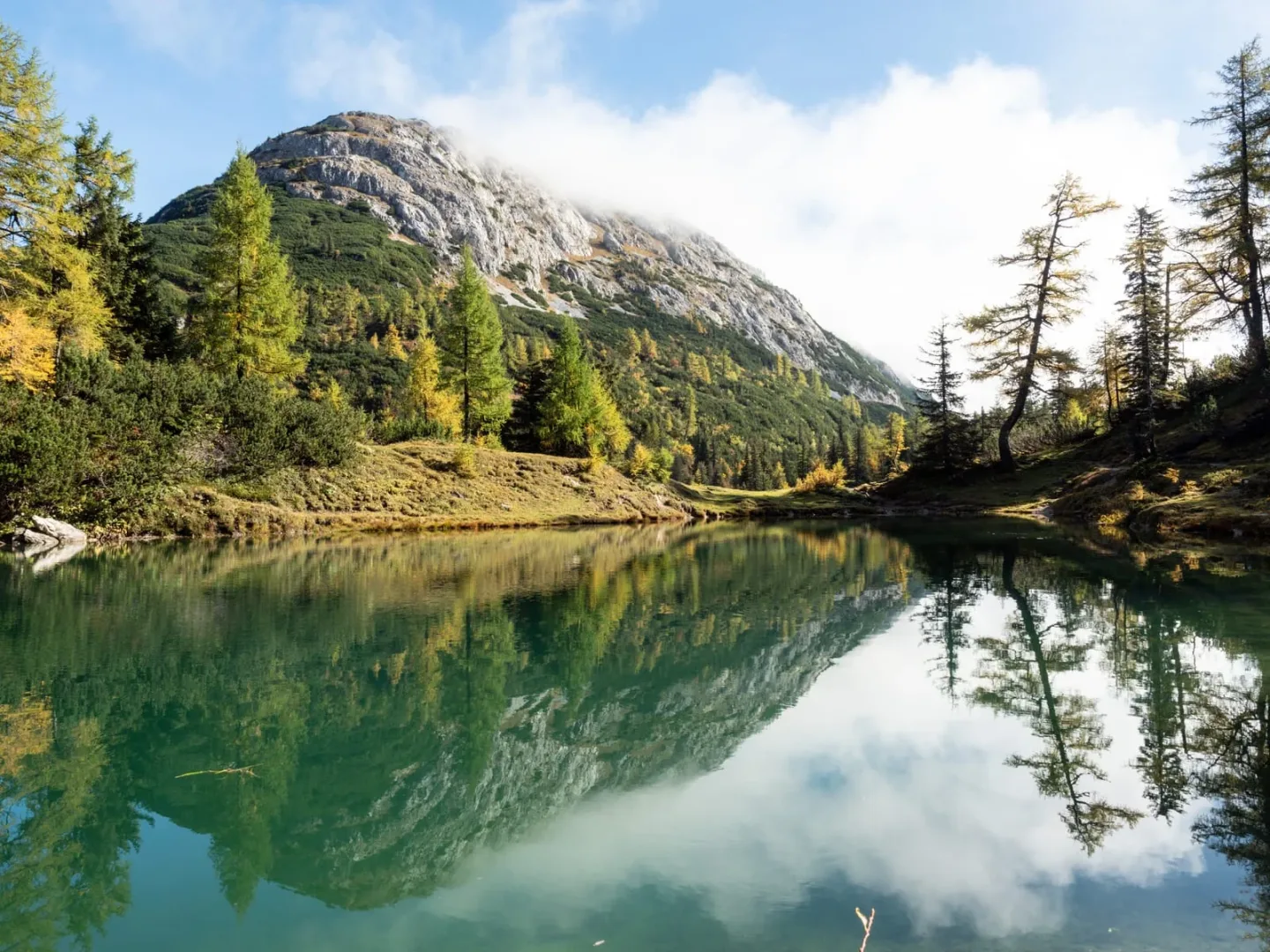
6. Emerald Lake Trail (Rocky Mountain National Park)
- Distance: 3.6 miles round trip
- Elevation Gain: 605 feet
- Difficulty: Moderate
Emerald Lake gives you three stunning alpine lakes in one hike: Nymph Lake, Dream Lake, and Emerald Lake, each more dramatic than the last. The trail climbs steadily through subalpine forest before opening into wide mountain vistas above the treeline.
Best time: July through September. Check road conditions and timed-entry permits at Rocky Mountain National Park before you go.
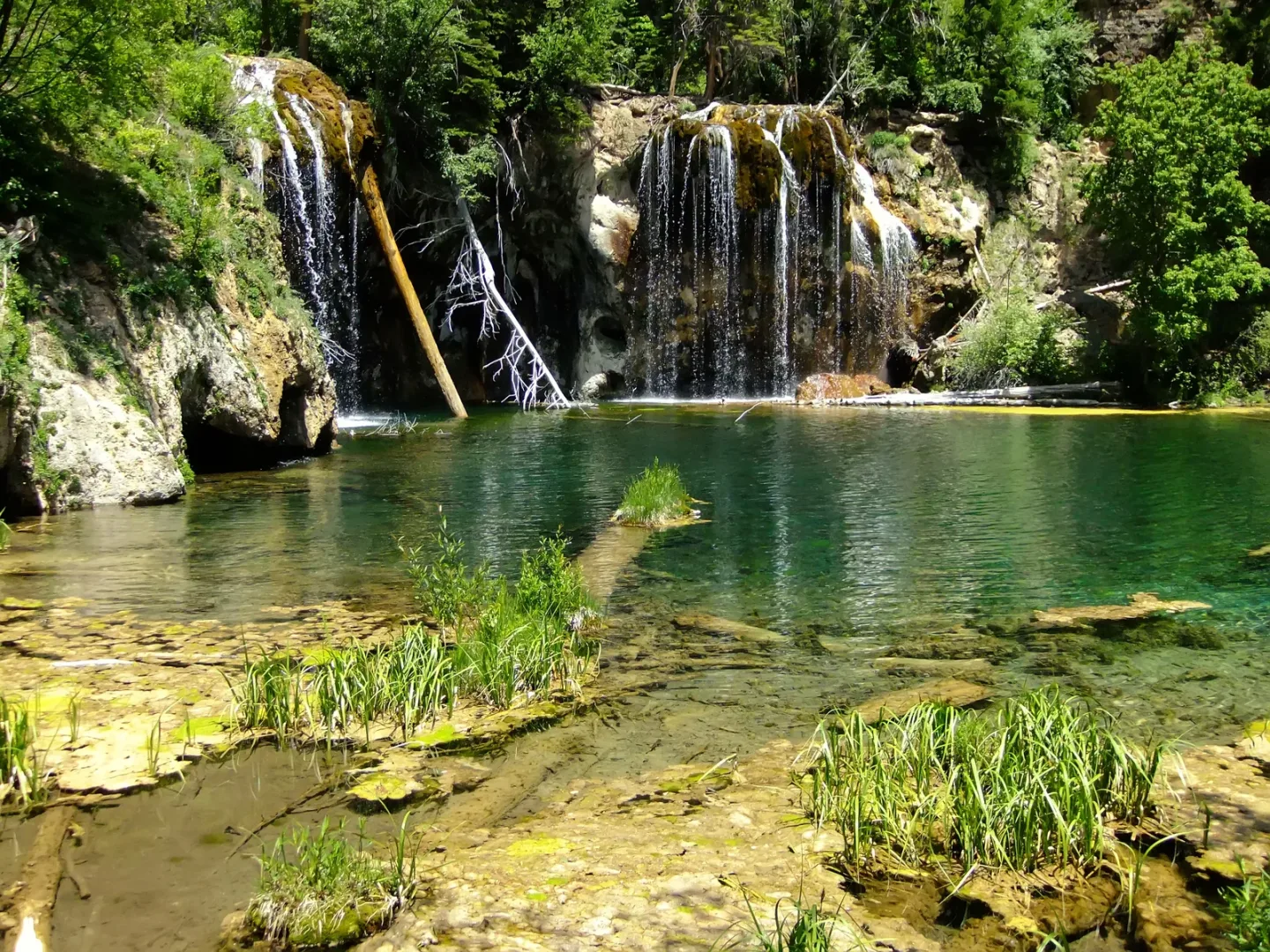
7. Hanging Lake Trail (Glenwood Canyon)
- Distance: 2.4 miles round trip
- Elevation Gain: 1,020 feet
- Difficulty: Moderate-Strenuous
Hanging Lake is one of the most photographed Colorado hiking trails for good reason - it ends at a vivid turquoise lake perched on a ledge inside a canyon, fed by small waterfalls. But the trail earns it: the climb is relentless and involves a lot of rock scrambling on the upper section.
Important: Hanging Lake requires a permit and shuttle reservation. The permit system (booked at recreation.gov) is in place to protect the fragile ecosystem around the lake. Plan and book well in advance, especially for summer weekends. Once you're there, stay on the boardwalks around the lake.
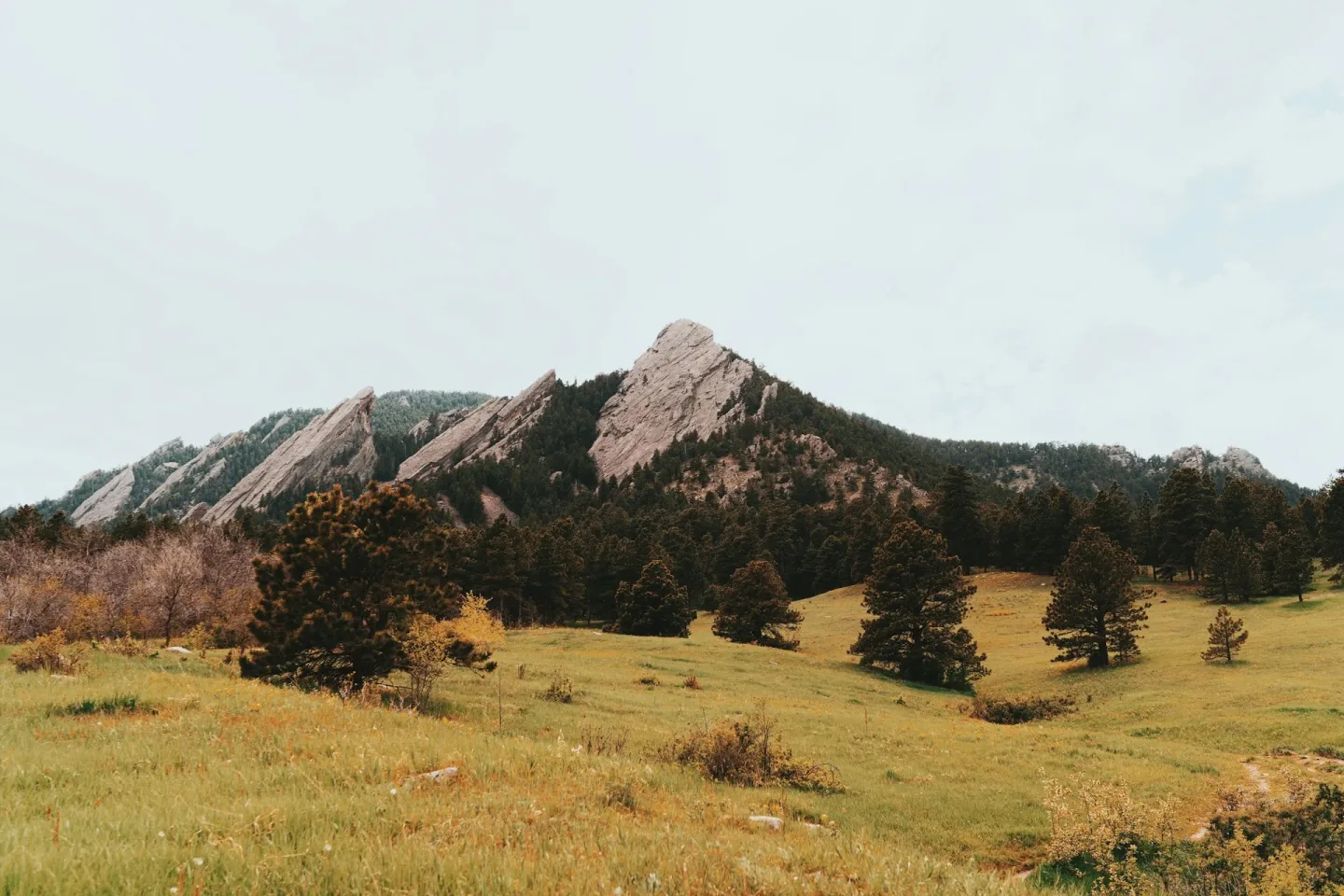
8. Royal Arch Trail (Boulder)
- Distance: 3.4 miles round trip
- Elevation Gain: 1,400 feet
- Difficulty: Moderate-Strenuous
Royal Arch is Boulder's signature hike - a steep, relentless climb through the Flatirons to a massive natural rock arch with sweeping views of Boulder and the plains beyond. The trail is technical in spots, with some scrambling required near the top.
Best time to avoid crowds: weekdays in the early morning. Weekends in summer can get very busy. This is one of the best hikes in Colorado for those who want a workout and a view in the same package.
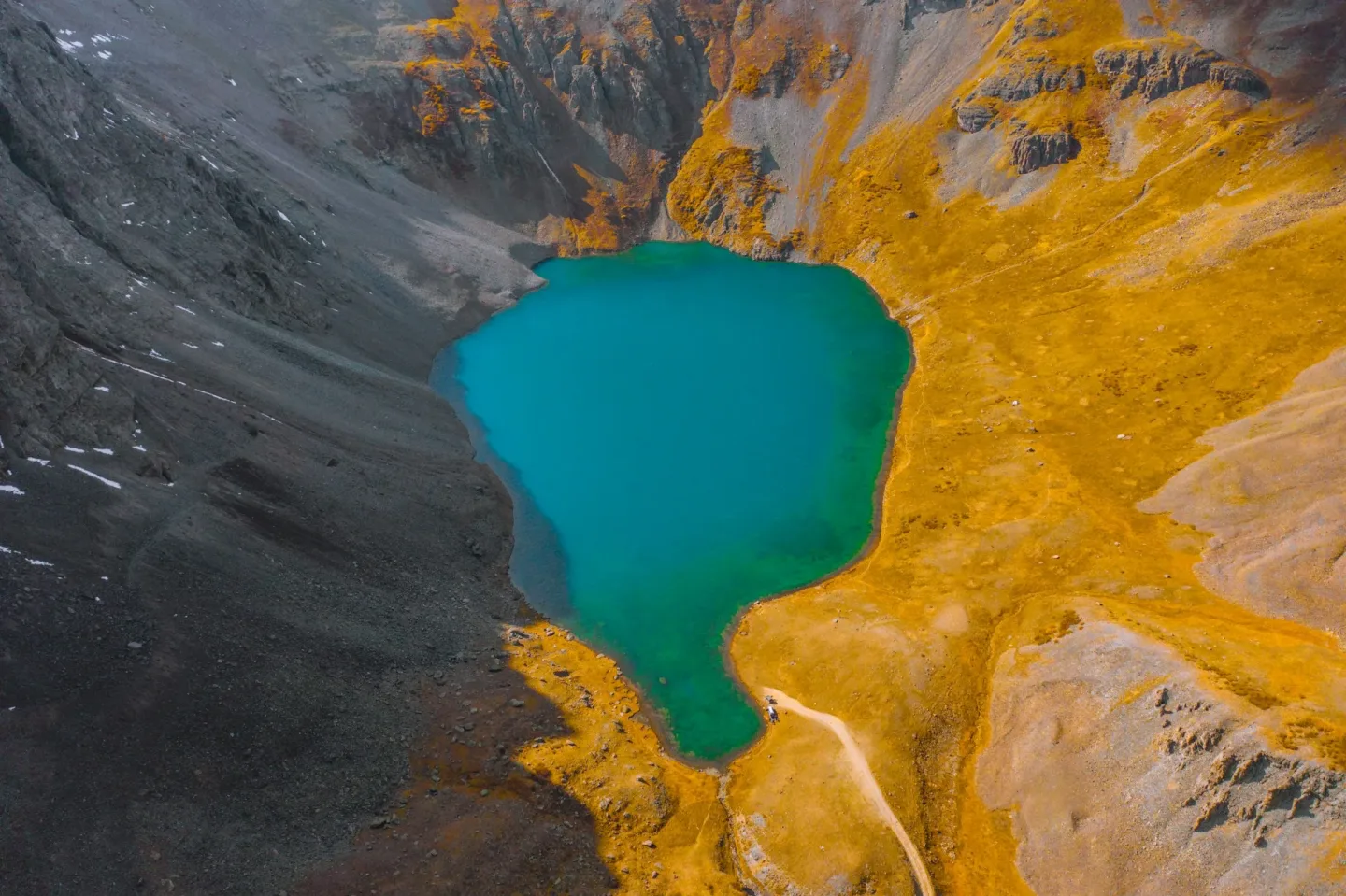
9. Blue Lakes Trail (Ridgway)
- Distance: 6.4 miles round trip
- Elevation Gain: 2,550 feet
- Difficulty: Moderate-Strenuous
Blue Lakes in the Mount Sneffels Wilderness offer some of the most jaw-dropping alpine lake scenery on any Colorado hiking trail. Three separate lakes of deep turquoise sit at the base of dramatic rocky peaks, and the wildflower display in mid-July is among the best anywhere in the state.
The trail is a full day out - plan 5-7 hours and pack plenty of food and water. This trail also works as a base camp for backpackers wanting to spend a night in the wilderness.
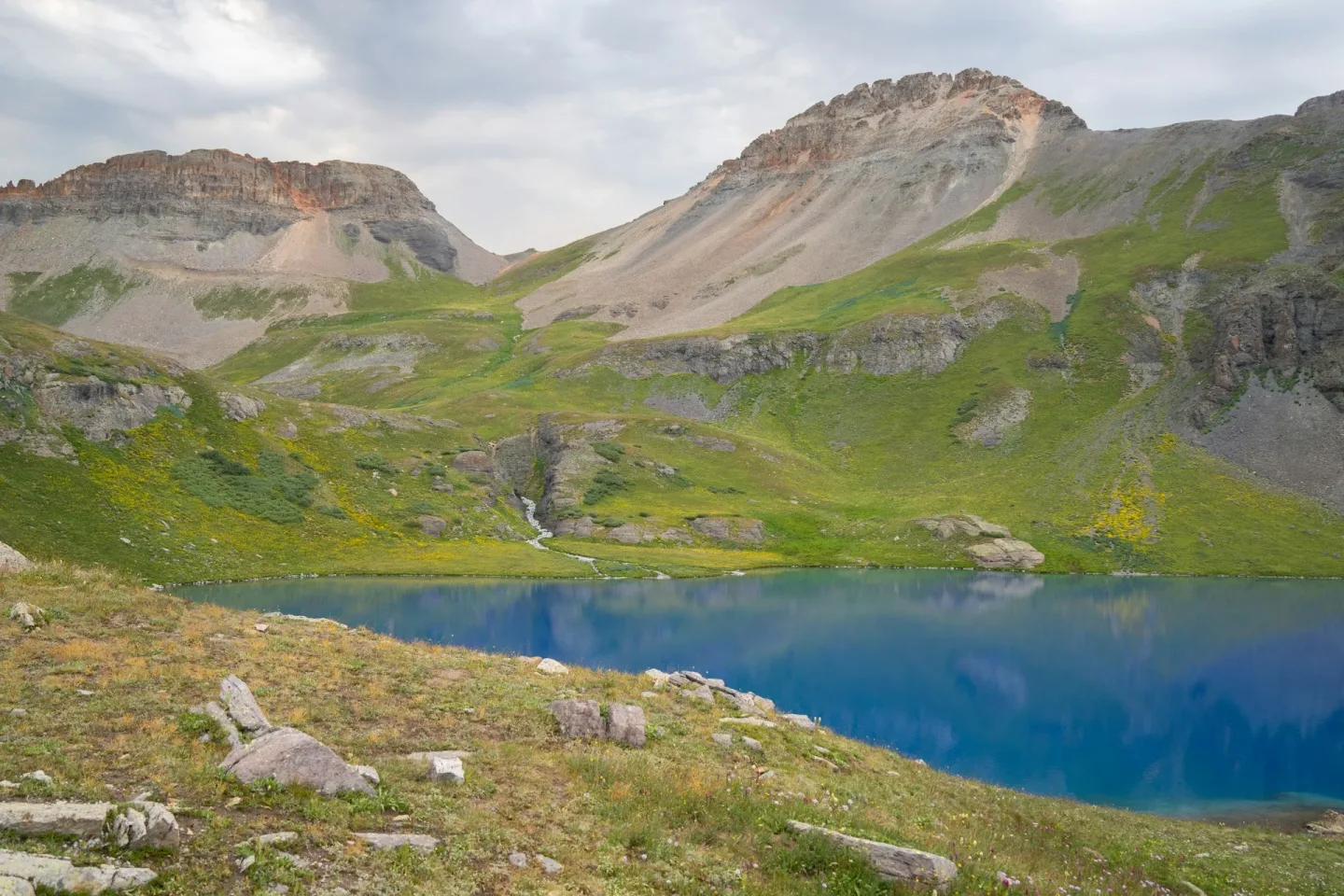
10. Ice Lake Basin Trail (San Juan Mountains)
- Distance: 8.0 miles round trip
- Elevation Gain: 2,600 feet
- Difficulty: Strenuous
Ice Lake Basin is what most people picture when they imagine the best hiking in Colorado. The basin holds multiple vivid blue-green lakes surrounded by jagged 13,000-foot peaks, with wildflowers blanketing the slopes in midsummer. It's genuinely one of the most beautiful places you can reach on foot in the entire state.
Trail prep tips:
- Start early - 6:00 AM or before
- Bring rain gear; afternoon thunderstorms are common and fast-moving
- The elevation at the basin sits around 12,200 feet, so pace yourself on the climb
- Cell service is unreliable - download an offline map before you go
What Are the Best Hiking Trails in Colorado for Experienced Hikers?
The best hiking trails in Colorado for experienced hikers often lead to summits above 14,000 feet - the famous "fourteeners." These hikes require solid physical conditioning, altitude awareness, and proper planning. Colorado's weather changes fast at altitude, and storms can build within minutes.
Key considerations for any fourteener attempt:
- Start before sunrise (4:00 - 5:00 AM is typical for longer summits) to clear the exposed ridgeline before afternoon storms arrive.
- Acclimatize for 1-2 days at high elevation before attempting a 14er if you're coming from sea level.
- Turn back without hesitation if lightning appears or clouds build aggressively after noon.
- Carry a headlamp, extra layers, rain gear, and enough food and water for the full day.
According to the American Alpine Club's Accidents in North American Mountaineering report, altitude-related illness and weather are the leading factors in Colorado mountain rescues. Knowing when to turn around is as important as reaching the top.
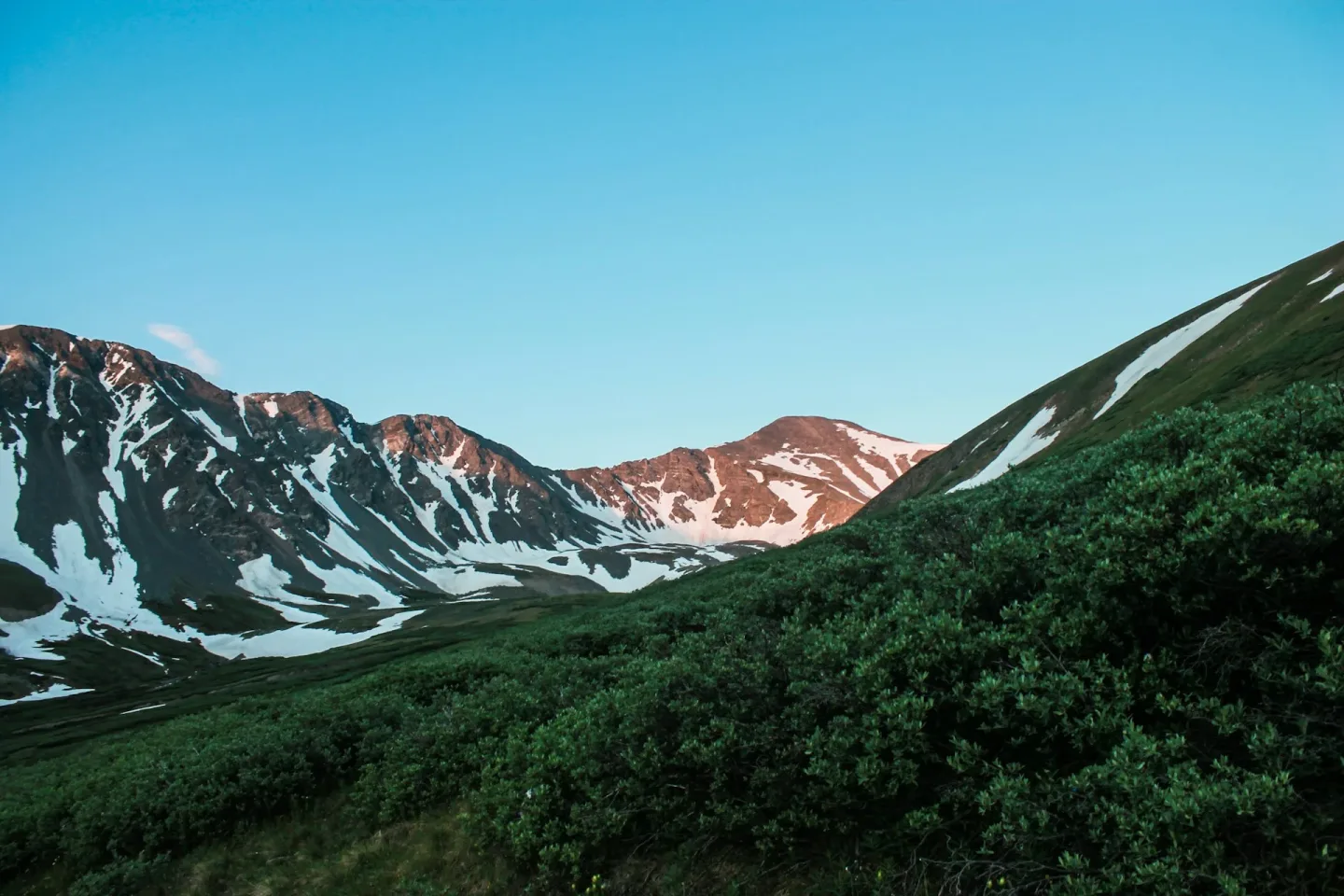
11. Grays Peak Trail
- Distance: 8.0 miles round trip
- Elevation Gain: 3,000 feet
- Difficulty: Strenuous
Grays Peak (14,278 feet) is widely considered one of the most accessible fourteeners in Colorado - the trail is non-technical and well-marked, making it a great first summit for experienced hikers stepping into 14er territory.
You can also tag neighboring Torreys Peak (14,267 feet) on the same day for a two-summit hike. The trailhead sits at 11,280 feet, so the altitude starts immediately - take it slow on the first mile.
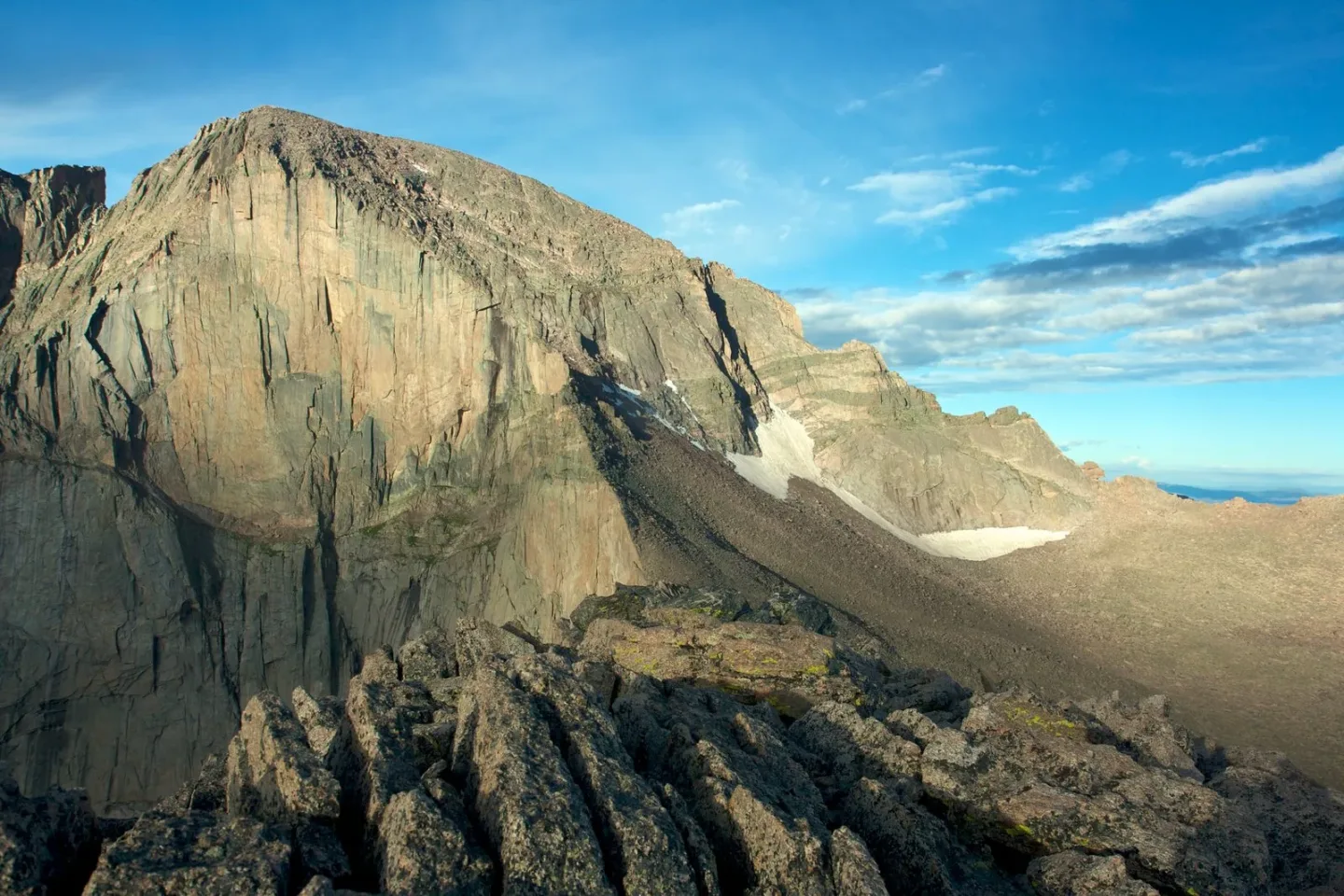
12. Longs Peak Keyhole Route
- Distance: 14.5 miles round trip
- Elevation Gain: 4,855 feet
- Difficulty: Very Strenuous / Technical
Longs Peak (14,259 feet) is Rocky Mountain National Park's crown jewel and one of the most demanding hikes in all of Colorado. The Keyhole Route involves exposed ridge scrambling, narrow ledge traversals, and one notoriously sketchy section called "The Narrows." It's not a hike for someone without serious experience in technical terrain.
Most parties start at 2:00 - 3:00 AM to be off the exposed summit area by noon. The hike is a full 10-12-hour day for fit hikers. This is a trail where the preparation matters as much as the fitness.
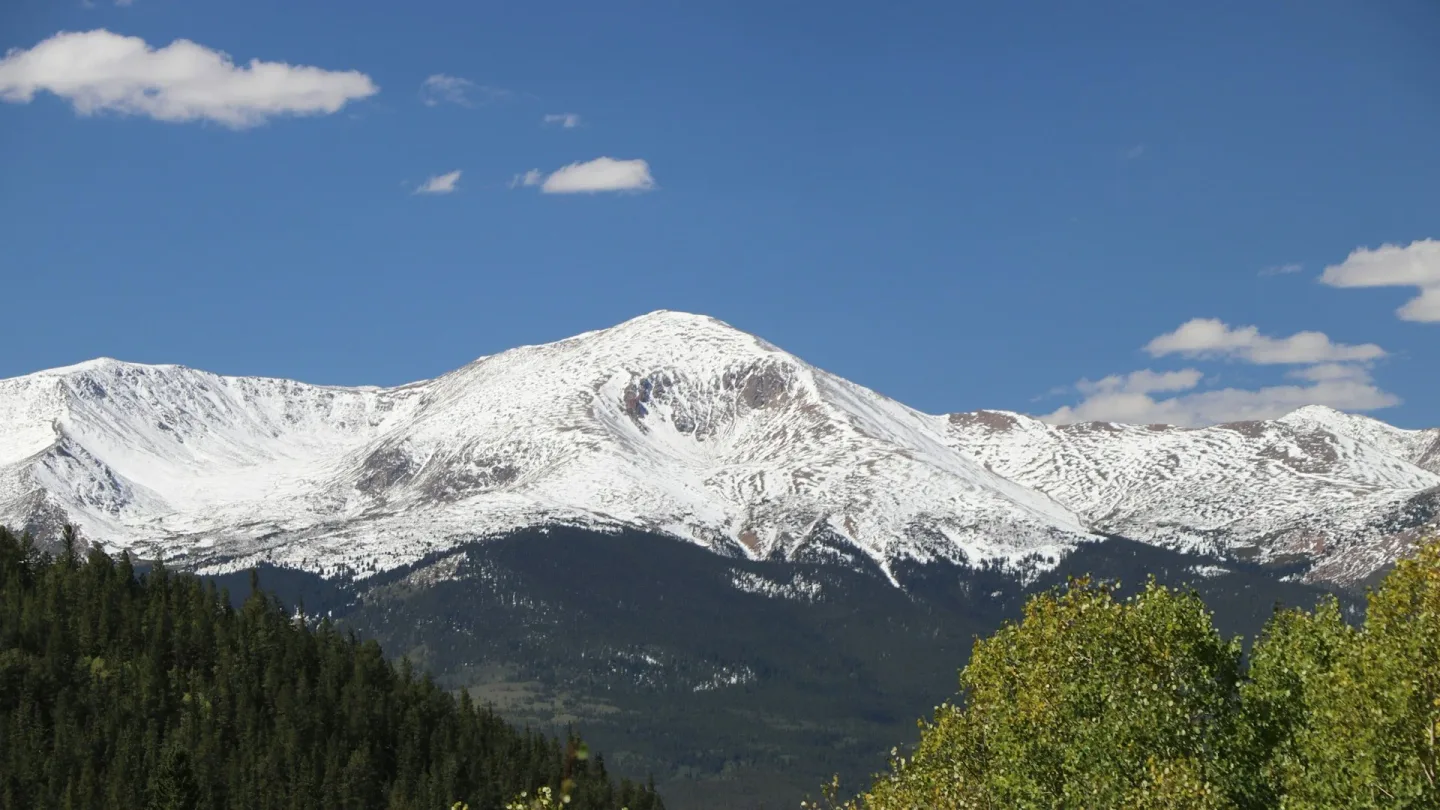
13. Mount Elbert Trail
- Distance: 9.5 miles round trip
- Elevation Gain: 4,700 feet
- Difficulty: Strenuous
Mount Elbert (14,440 feet) is Colorado's highest peak and the second-highest in the contiguous United States. Despite that, the standard North Elbert Trail is non-technical - it's essentially a very long, steep hike with no scrambling required. Physical preparation is the key variable: you'll need solid cardiovascular fitness to handle nearly 5,000 feet of gain at altitude.
Best window: mid-July through September, after seasonal snowpack clears.
14. Quandary Peak Trail
- Distance: 6.75 miles round trip
- Elevation Gain: 3,350 feet
- Difficulty: Strenuous
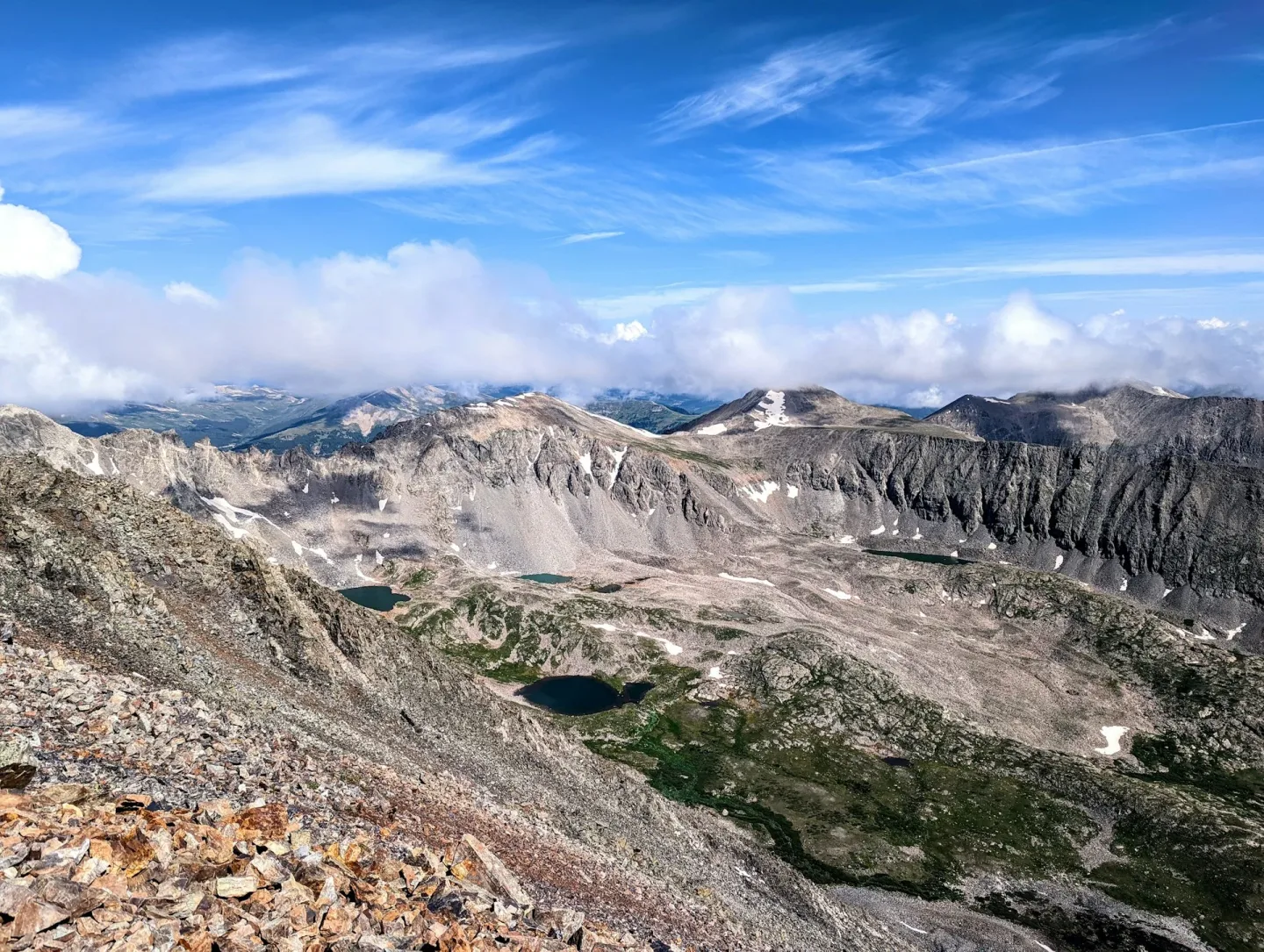
Quandary Peak (14,265 feet) near Breckenridge is one of the most popular fourteeners in Colorado - the trail is straightforward, and the drive from Denver is under two hours. Wildflowers line the lower slopes in midsummer, and above treeline, you'll often spot ptarmigan and marmots. Because of its popularity, the parking lot fills by 5:00 AM on summer weekends. Arrive early or plan a weekday trip.
15. Maroon Bells Scenic Loop and Extended Routes
- Distance: 1.5 to 12+ miles
- Difficulty: Easy to Very Strenuous
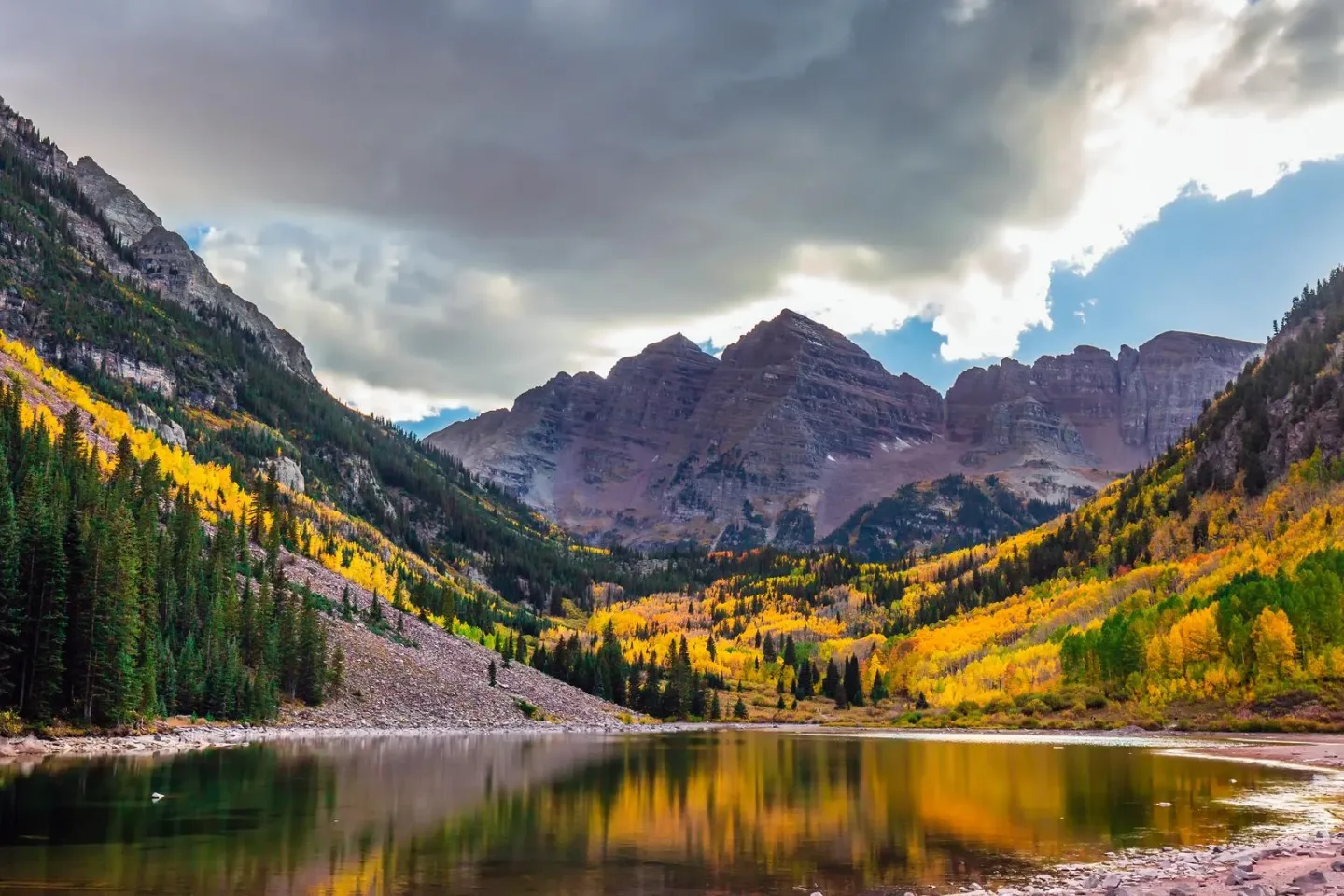
The Maroon Bells are the most photographed peaks in Colorado, and possibly in all of the Rocky Mountain West. The twin summits of Maroon Peak and North Maroon Peak rise above Maroon Lake in a scene so dramatic it almost looks like a painting.
Options for Every Level at Maroon Bells
The easy Maroon Lake Scenic Trail (1.5 miles, flat) circles the lake and gives you the full iconic view with minimal effort - it's perfect for families or anyone who just wants to experience one of the best hiking spots in Colorado without a big commitment.
The Crater Lake Trail (3.6 miles, 500 feet gain) extends into the Maroon Bells-Snowmass Wilderness and is a solid moderate option.
For experienced hikers, the West Maroon Pass Trail (7.5 miles one way, 2,800 feet gain) crosses a dramatic high pass and can be used as part of a longer shuttle hike into the Crested Butte area.
Fall Foliage at Maroon Bells
Late September brings one of the most spectacular fall color displays in the country. The aspen groves around Maroon Lake turn bright gold, and the contrast against the dark peaks is unforgettable. The area gets exceptionally busy during fall color season - reservations for the shuttle bus from Aspen are required. Book as early as possible, often months in advance.
What Should You Know Before Hitting Colorado Hiking Trails?
Every trail on this list is genuinely spectacular - but Colorado hiking does come with real considerations that first-timers sometimes underestimate.
- Altitude is the biggest variable. Even easy hikes in Colorado start at elevations that affect people who come from sea level. Headaches, fatigue, and shortness of breath are common at 9,000+ feet, especially on the first day. Drink more water than you think you need, slow your pace, and give yourself a day to acclimatize before tackling anything strenuous.
- Afternoon thunderstorms are not optional weather. From June through August, storms build almost daily over Colorado's peaks by early afternoon, often bringing lightning, hail, and sudden temperature drops. Starting early is not just a suggestion - it's a safety practice. Most experienced Colorado hikers are back at the car by 1:00 PM on summer days in the high country.
- Leave No Trace matters here. Colorado's most popular trails are loved heavily, and the damage is visible. Stay on marked trails, pack out all trash, don't pick wildflowers, and keep dogs leashed in areas that require it. For more on how to hike responsibly, read our guide to Leave No Trace principles and what they really mean on the trail.
- Match the trail to your actual fitness level, not your aspirational one. More trail rescues happen because people overestimate their ability more than for any other reason. The best hiking experience is one where you finish feeling strong, not one where you push past your limits and have a miserable last four miles. If you're new to hiking, our family hiking trip planning guide has practical tips for pacing and preparation that apply to solo hikers, too.
The Bottom Line: Colorado Has a Trail for Every Hiker
The single clearest thing this list shows is that you don't need to be an experienced mountaineer to have a life-changing hiking experience in Colorado. From the flat loop around Bear Lake to the iconic view at Maroon Bells, the state delivers extraordinary scenery at every level of difficulty.
The best approach is an honest one: pick a trail that matches where you're at right now, not where you hope to be. Colorado's diversity means you can always come back for the harder one next time. Start with something achievable, finish it well, and you'll be planning the next trip before you've even driven home.
Frequently Asked Questions
Can you hike in Colorado in the winter?
Yes, you can hike in Colorado in the winter, but the experience changes significantly. Many lower-elevation trails near Colorado Springs, Denver, and Boulder stay accessible year-round with the right footwear (microspikes are useful on icy sections). High-elevation trails and most fourteeners are buried under deep snow from November through May or June and require snowshoeing or winter mountaineering skills. Always check current trail conditions before heading out in winter.
Is it safe to hike alone in Colorado?
Hiking alone in Colorado is generally safe if you take the right precautions. Tell someone your plan - where you're going, which trail, and when you expect to be back. Carry a fully charged phone, download offline maps, bring more food and water than you think you need, and know the weather forecast. On popular trails like Bear Lake or Garden of the Gods, you'll rarely be alone anyway. On remote routes, a personal locator beacon (PLB) is a smart addition.
What is the hardest hike in Colorado?
Longs Peak via the Keyhole Route is widely considered the hardest standard hike in Colorado. It involves extreme elevation gain (4,855 feet), a 14.5-mile round trip, exposed scrambling, and serious weather risks. Other challenging routes include traverses in the Maroon Bells–Snowmass Wilderness and remote peaks in the San Juan Mountains. The technical upper section of Longs Peak makes it especially demanding.
Do I need permits for popular Colorado hiking trails?
Some popular Colorado hiking destinations do require permits. Hanging Lake requires year-round permits via Recreation.gov. Rocky Mountain National Park uses timed entry reservations in peak season. The Maroon Bells area requires shuttle reservations in summer and fall. Many fourteeners currently do not require permits, but regulations can change, so always check with local ranger districts before hiking.
Which Colorado hiking trails are best for seeing wildflowers?
Mid-July through early August is peak wildflower season in Colorado. Blue Lakes Trail near Ridgway, Ice Lake Basin in the San Juans, and the Maroon Bells area offer some of the most spectacular displays. For easier access, Lily Lake Loop near Estes Park provides beautiful lakeside blooms with minimal effort.