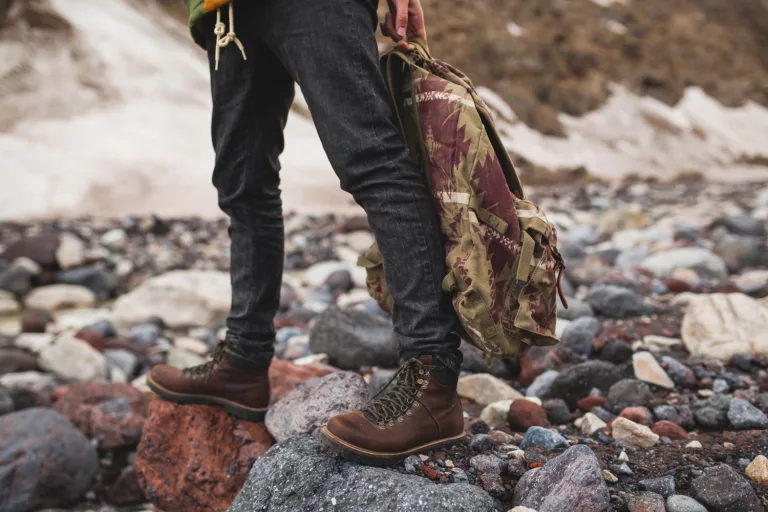
Walk any popular trail and the divide is obvious: some hikers stride with trekking poles clicking rhythmically against rock, while others move just as confidently empty-handed. The debate over whether trekking poles are worth it has gotten surprisingly heated, with devotees claiming they'd never hit a trail without them and skeptics dismissing them as unnecessary gear clutter.
Both sides have a point. Hiking trekking poles can genuinely transform your experience on certain terrain and distances, potentially cutting injury risk and fatigue. But they can also feel like awkward baggage on smooth paths or short walks. The real question is not whether trekking poles work in general, but whether they work for your trails, body, and goals.
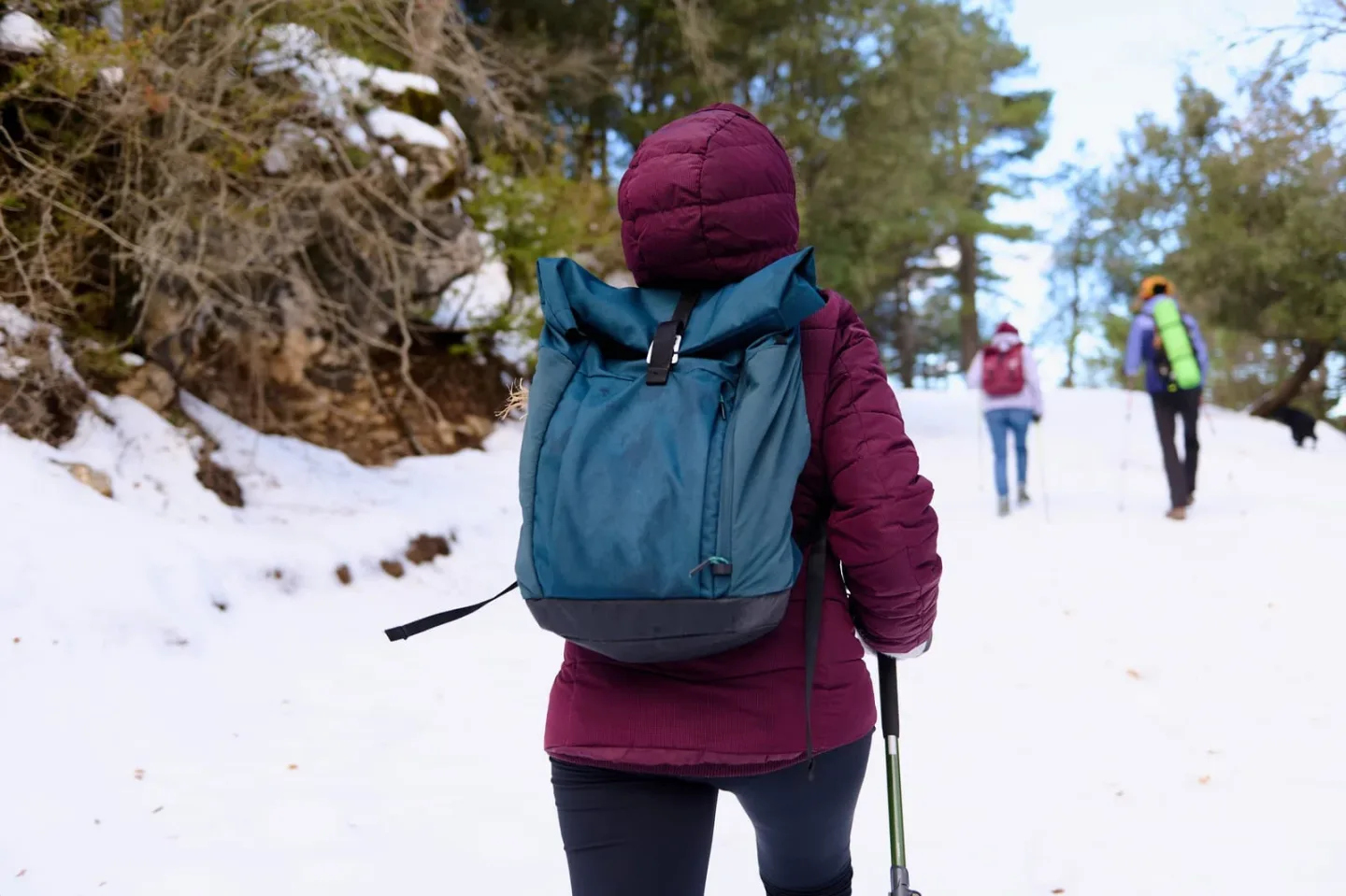
What Trekking Poles Actually Do
Before deciding if trekking poles are worth it for your situation, understanding what they accomplish helps cut through marketing noise. These adjustable poles extend from your hands to the ground, creating additional contact points beyond your feet. That simple mechanical change affects your body and movement in multiple ways.
Gear Tester's Verdict
Best for finding the right hiking gear
These shops let you filter by material, weight, folding style, and grip type — so if you decide additional gear is worth it after reading this article, you can find the right gear without being overwhelmed by options.
- Oakley Shop hiking gear at Oakley
- Mountain Hardwear Shop hiking gear at Mountain Hardwear
- Columbia Sportswear Shop hiking gear at Columbia Sportswear
- Sorel Shop hiking gear at Sorel
- Garmin Shop hiking gear at Garmin
The Core Benefits of Trekking Poles
Trekking poles deliver several proven advantages that matter most on challenging terrain and longer distances.
Stability on Uneven Terrain
Four points of contact beat two when the ground gets tricky. Here's where poles make the biggest difference:
- Rocky trails with loose stones that shift underfoot
- Root-covered paths, where one wrong step means a twisted ankle
- Loose scree on mountain descents, where every step slides
- Muddy sections that turn into slip-and-slide zones
- River crossings where the current can knock you sideways
That rushing creek that looks manageable suddenly becomes safer with poles acting as upstream anchors. Even shallow water moving over slippery rocks can wreck your balance, and having that third point of contact can prevent a complete dunking of you and your gear.
Reduced Joint Stress
This benefit gets cited most when people ask, "Are trekking poles worth it?" and research backs it up. A study published in the Journal of Sports Sciences found that using hiking poles during downhill walking reduced knee joint forces by 12-25%, which becomes significant over thousands of steps.
Think about the repetitive pounding on your knees, ankles, and hips during a typical hike. Every downhill step transfers your body weight plus pack weight through your joints. Poles absorb some impact by redirecting force through your arms and shoulders instead. The cumulative effect matters more as distances climb and when carrying heavy packs.
Upper Body Engagement and Rhythm
Hiking typically hammers your legs while your arms just swing along. Trekking poles activate your upper body, turning hiking into more full-body movement. Your arms, shoulders, and core engage with each pole plant, spreading effort across more muscle groups.
The rhythm created by pole use also helps many hikers maintain consistent pacing. That regular plant-step-plant-step cadence can feel meditative, helping you settle into a sustainable tempo. Distance hikers often report that poles help them "get into the zone" more effectively.
Load Distribution on Long Hikes
Backpacking with a 40-pound pack feels dramatically different than day hiking light. That extra weight shifts your center of gravity and puts additional stress on your legs. Trekking poles help redistribute some load, letting your arms bear a portion that would otherwise rest entirely on your legs.
This distribution grows more pronounced as fatigue sets in. Fresh legs on mile two handle a heavy pack differently than exhausted legs on mile 18. When your quads start shaking on late-day descents, shifting even a small portion of load onto poles can mean the difference between controlled descent and stumbling slog.
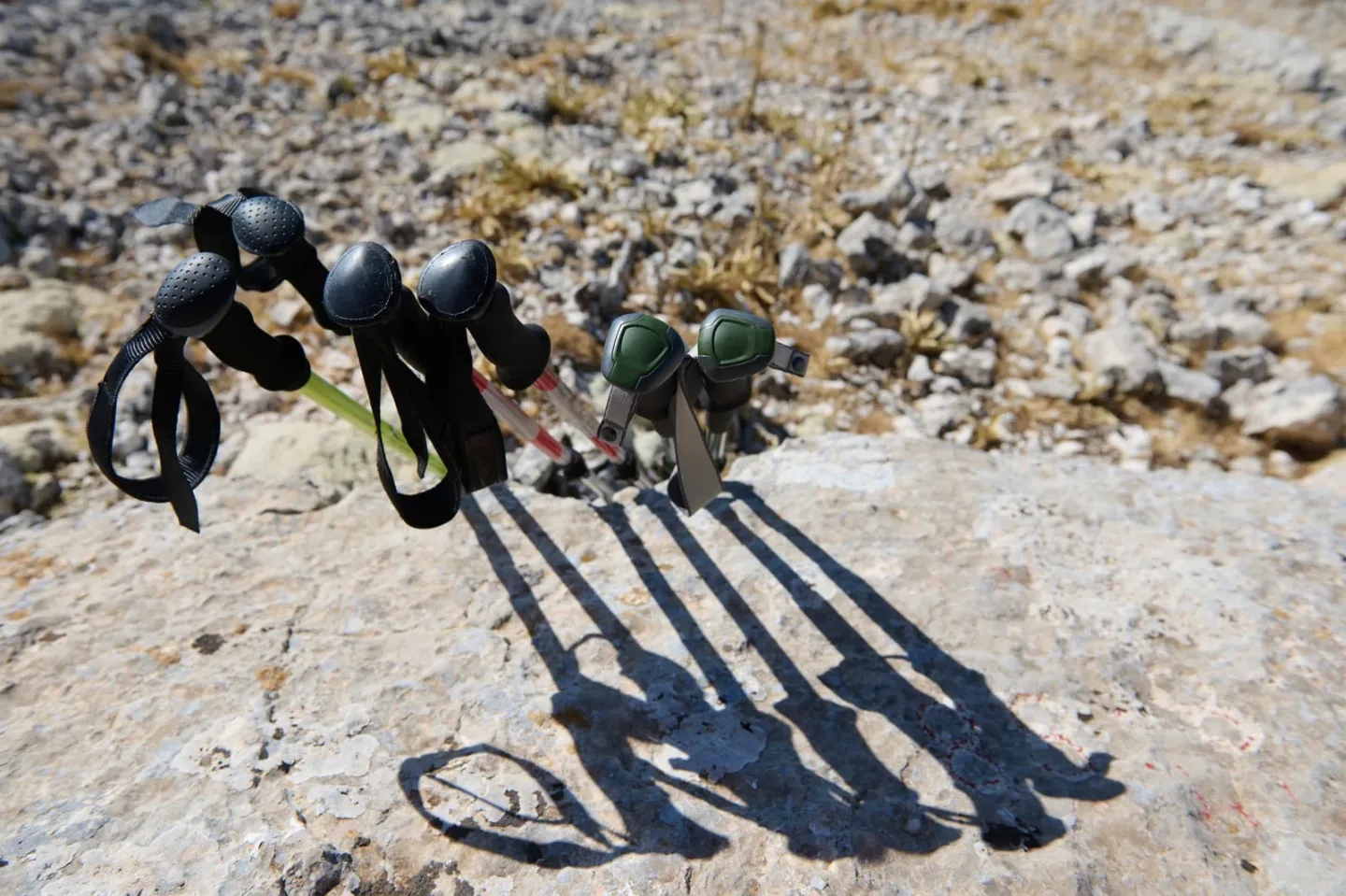
When Trekking Poles Are Worth It
Understanding where trekking poles shine helps you decide if they belong in your kit.
Long Distance and Multi-Day Backpacking
Covering 20+ miles daily with a full pack shifts poles from "maybe helpful" to "probably essential" for most hikers. The cumulative benefits compound over long distances and multiple days:
- Joint stress reduction adds up over thousands of steps
- Better stability prevents fatigue-related stumbles
- Distributed load keeps legs fresher longer
- Rhythm helps maintain pace over marathon distances
Through-hikers on trails like the Appalachian Trail or Pacific Crest Trail overwhelmingly use poles, not because of marketing but because thousands of miles teach what actually works. Weather adds another variable, too. Afternoon thunderstorms turning trails into streams, early-season snow covering paths, or unexpected ice all become more manageable with poles.
Steep Ascents and Descents
Steep trails represent peak pole territory. Going uphill, poles let you pull yourself up using your arms in addition to pushing with your legs. The mechanical advantage feels minor on gentle grades but becomes significant when you're basically climbing.
Descents matter even more for joint protection. Steep downhills put maximum stress on knees and ankles as you brake with each step. Poles act as shock absorbers and braking aids, letting you manage descent speed without relying solely on leg muscles to resist gravity.
Snow, Mud, and Technical Terrain
Certain conditions turn trekking poles from useful to practically necessary:
- Snow-covered trails where you can probe ahead for hidden holes
- Deep mud where you need extra balance points
- Rocky technical sections requiring three-point contact
- Stream crossings with strong current or slippery rocks
- Scree fields where every step slides downward
Older Hikers and Joint-Sensitive Hikers
Age and previous injuries change the calculation around whether trekking poles are worth it. A 25-year-old with healthy knees might power through rocky descents without issues, while a 60-year-old with knee arthritis might find that same descent painful or impossible without poles.
The psychological benefit matters too. Fear of falling or lost confidence on technical terrain can limit hiking more than actual physical limitations. Knowing you have poles for stability can restore confidence, letting you tackle trails you might otherwise avoid.
When Trekking Poles Might Not Be Worth It
Poles shine in specific situations but create hassle in others.
Short, Easy Day Hikes
A 3-mile loop on a well-maintained trail with minimal elevation probably does not need trekking poles for most hikers. The benefits matter less when you're not pushing hard or covering serious distance. Poles become extra items to carry, manage, and potentially leave behind at rest stops.
Many hikers find poles feel awkward on simple trails, interfering with natural walking rhythm rather than enhancing it. If you're basically going for a walk in the woods rather than testing limits, poles often create more annoyance than assistance.
Ultra-Light or Speed Hiking Goals
Hikers pursuing ultra-light approaches or trying to move fast often skip poles despite challenging terrain. Every ounce counts when minimizing pack weight, and poles add 8-16 ounces total. Speed hikers and trail runners usually find poles slow them down except on steep uphills, preferring to use hands for balance when needed.
Smooth, Flat Trails
Perfectly maintained paths through gentle terrain offer little opportunity for poles to prove their worth. These conditions make poles feel pointless:
- Boardwalks and paved paths
- Flat forest trails with minimal obstacles
- Hard-packed beach sand
- Groomed nature center loops
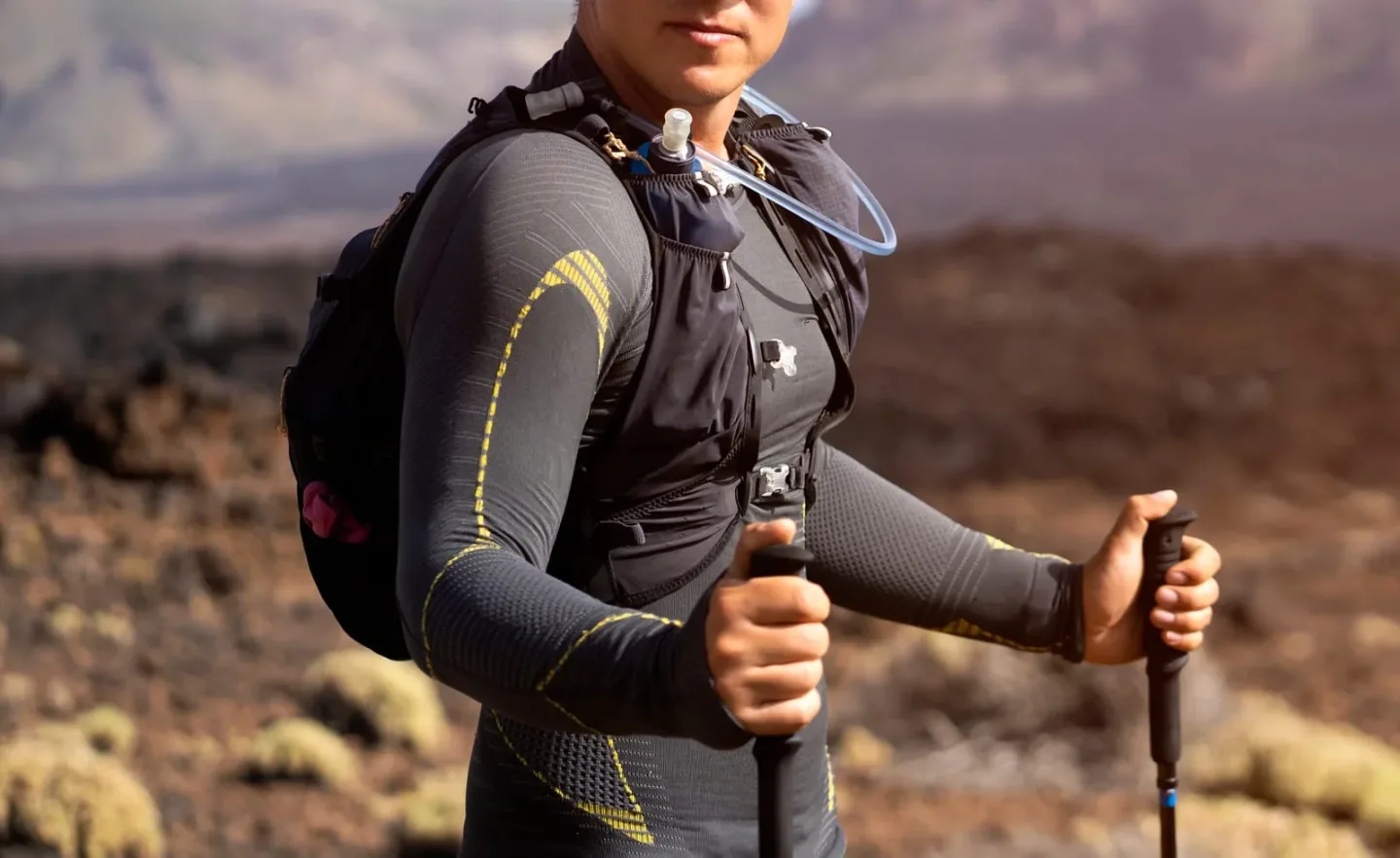
How to Decide If Trekking Poles Are Right for You
Rather than making blanket judgments about hiking trekking poles, consider specific factors affecting whether they'll help or hinder your situation.
Quick overview





A Simple Decision Framework
The decision comes down to four main variables: terrain, distance, body condition, and hiking goals.
- Terrain matters most. Steep, rocky, loose, muddy, or snow-covered trails maximize pole benefits. Smooth, flat, or paved trails minimize them.
- Distance amplifies everything. Benefits feeling minor over 3 miles become significant over 15 miles. Joint protection, seemingly unnecessary early, becomes crucial as fatigue sets in.
- Body condition creates individual variation. Young hikers with perfect knees might skip poles on trails where someone with joint issues finds them essential. Be honest about your current physical condition rather than how you wish you felt.
- Hiking goals determine priorities. Trying to cover maximum distance with minimum pain? Poles probably help. Trying to minimize pack weight and move fast? Poles might slow you down.
Asking the Right Questions Before You Buy
Before investing in trekking poles (quality models run $50-150), answer these honestly:
- What terrain do I hike most? If 80% happens on smooth trails, poles probably gather dust. If you regularly tackle rocky climbs and technical descents, they'll see heavy use.
- Do I have knee, ankle, or hip issues? Even minor joint discomfort can benefit from pole use, particularly on descents.
- Am I carrying heavy loads? Day hikers with 10-pound packs feel less benefit than backpackers carrying 40 pounds.
- How far do I usually hike? Five miles and 15 miles create different demands. Poles matter more as distance increases.
- Am I willing to learn proper technique? Poles only help if you use them correctly. Poor technique can actually increase strain.
Are Trekking Poles Worth It? The Bottom Line
So, are trekking poles worth it? The answer lands somewhere between "absolutely" and "not really," depending entirely on your situation. For long-distance backpackers tackling challenging terrain with heavy packs, poles deliver clear benefits. For casual day hikers sticking to maintained trails, poles often create more hassle than help.
The real value of trekking poles lies in enhanced stability, reduced joint stress, and increased confidence on technical terrain. These benefits matter most when hiking long distances, carrying heavy loads, managing joint issues, or tackling steep and unstable surfaces.
Rather than following trends or buying gear because everyone else uses it, evaluate your actual hiking style. Know your trails, know your body, and choose accordingly. The best gear is whatever helps you enjoy more time outdoors, whether that includes poles or not.