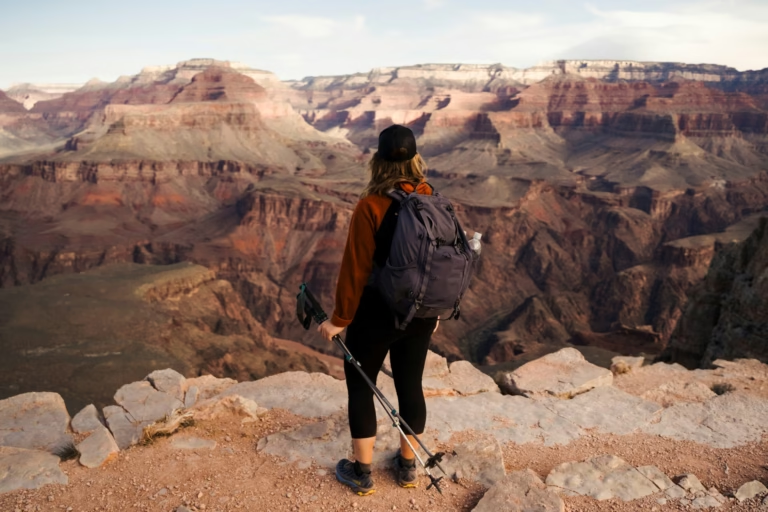
Zion National Park stands as one of the most spectacular hiking destinations in the United States, drawing over 4.6 million visitors annually. This remarkable park in southern Utah offers something for every type of hiker, from gentle riverside walks to heart-pounding scrambles along exposed cliff edges.
This comprehensive Zion National Park hiking guide covers everything you need to know for an incredible trip. You'll discover the best Zion hiking trails, practical tips for tackling these routes safely, and must-see viewpoints that showcase the park's stunning beauty. Whether you're planning your first visit or returning for another round of exploration, this guide will help you make the most of your time hiking in Zion National Park.
Must-Do Zion Hiking Trails
The heart of any visit to Zion lies in experiencing its world-class trails. These Zion National Park hiking trails range from moderate strolls to strenuous climbs that test your endurance and nerve.
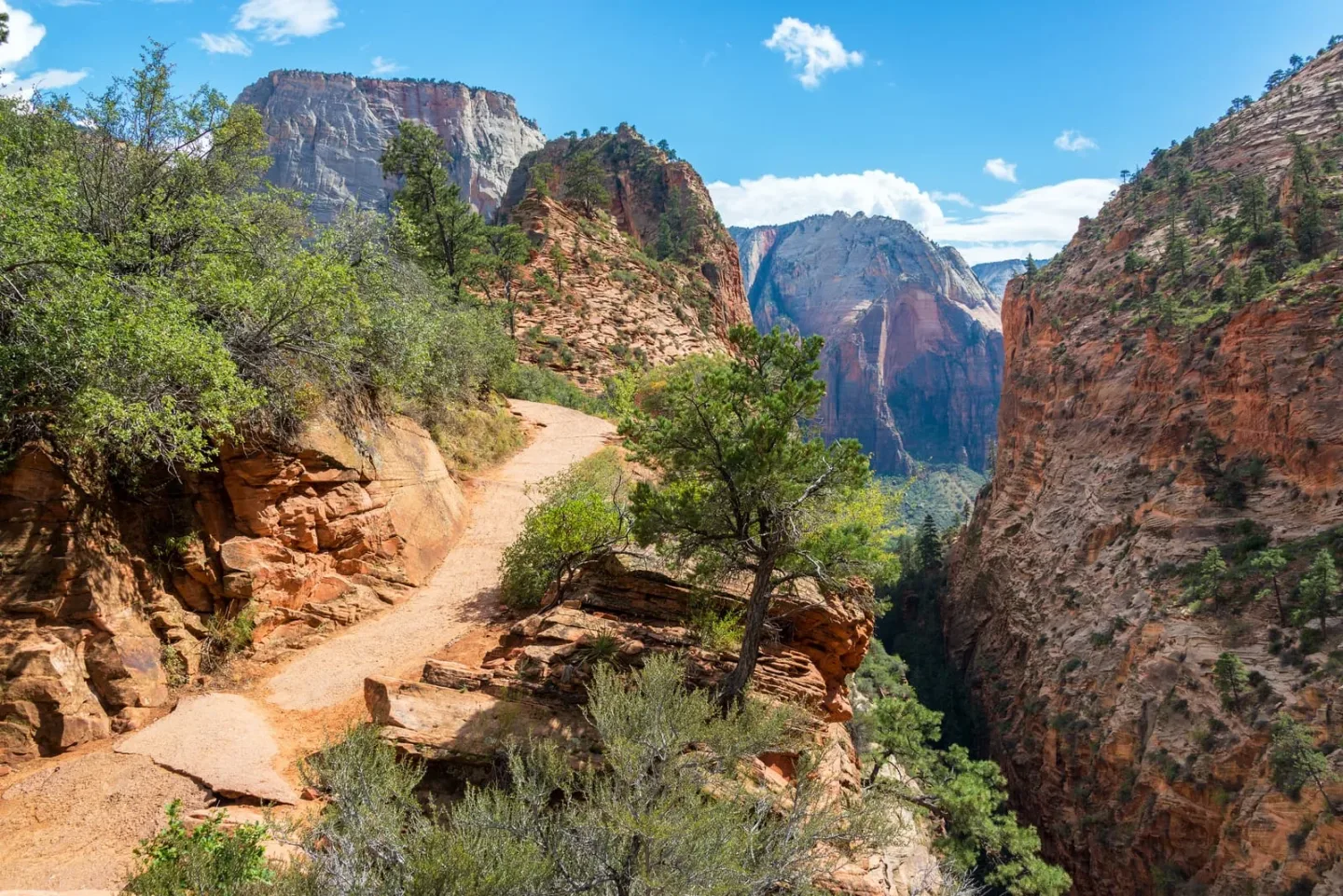
Angel's Landing
- Trail Type: Strenuous, Out-and-Back
- Distance & Elevation Gain: 5.4 miles round trip, 1,500 feet elevation gain
Angel's Landing is hands-down the most iconic hike in Zion. This trail takes you to a knife-edge ridge with vertigo-inducing drops on both sides, culminating in views that stretch across the entire canyon. The final half-mile ascent requires scrambling up steep rock faces while gripping metal chains bolted into the sandstone.
What makes this one of the most thrilling Zion hiking trails? It's the combination of physical challenge and mental fortitude required. The chains section demands focus and confidence as you navigate narrow ledges with thousand-foot drops nearby.
The reward? Standing atop the 5,790-foot summit with unobstructed views of Zion Canyon stretching in every direction. Fair warning, though: the National Park Service now requires permits for the final section during peak season, so plan ahead when hiking in Zion National Park.
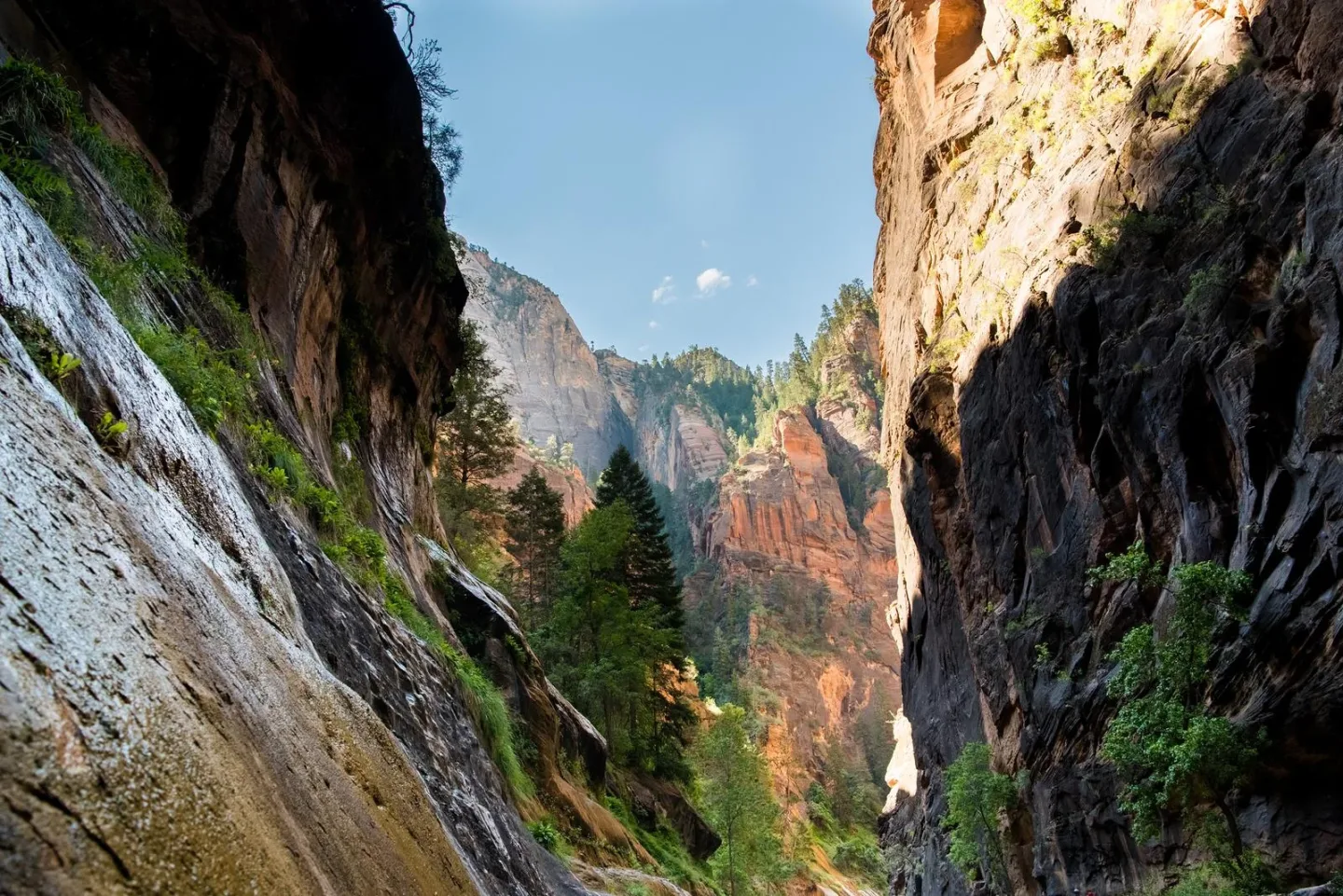
The Narrows
- Trail Type: Strenuous, Slot Canyon
- Distance & Elevation Gain: Varies (up to 10 miles one way)
The Narrows offers a completely different experience among Zion hiking trails. Instead of climbing upward, you'll wade through the Virgin River as towering canyon walls rise 2,000 feet above you. At points, the canyon narrows to just 20-30 feet wide, creating a cathedral-like atmosphere as sunlight filters down from above.
This unique hike means spending hours walking through water that can range from ankle-deep to chest-deep, depending on the season. The water temperature hovers around 40-50 degrees for much of the year, so most hikers rent specialized footwear and neoprene socks from outfitters in Springdale. The beauty of The Narrows? You can turn around whenever you want, making it perfect whether you're up for a quick taste or an all-day exploration.

Observation Point
- Trail Type: Strenuous, Out-and-Back
- Distance & Elevation Gain: 8 miles round trip, 2,000 feet elevation gain
Looking for the highest viewpoint accessible by trail in Zion? Observation Point delivers. This challenging hike climbs steadily through multiple ecological zones, from the canyon floor through ponderosa pine forests to the exposed ridgeline. Note that the traditional route from Weeping Rock has been closed since 2019 due to rockfall damage, but the trail remains accessible via the East Mesa route.
The summit sits at 6,521 feet, offering a bird's-eye perspective of the entire Zion Canyon system. From this vantage point, you can see Angel's Landing across the canyon, looking surprisingly small from above. This trail sees fewer hikers than Angel's Landing despite offering equally impressive views, making it a favorite among those seeking a more solitary experience while hiking in Zion National Park.
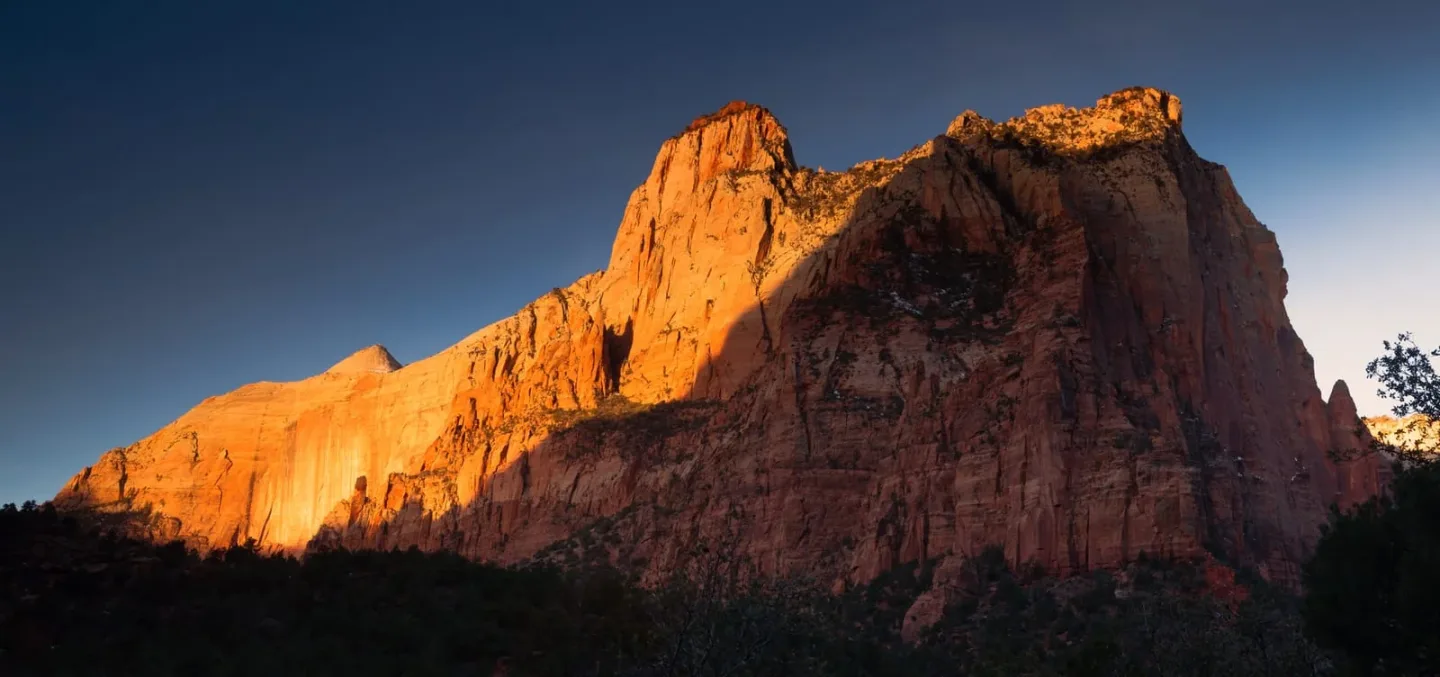
The Watchman Trail
- Trail Type: Moderate, Out-and-Back
- Distance & Elevation Gain: 3.3 miles round trip, 450 feet elevation gain
The Watchman Trail provides an excellent introduction to Zion hiking trails without the extreme difficulty of the park's most famous routes. Starting near the visitor center, this well-maintained path switchbacks up the lower slopes of Bridge Mountain, offering increasingly impressive views with each turn.
The trail's moderate grade and shorter distance make it accessible for families and those seeking a less strenuous option. The payoff comes at the upper viewpoint, where the massive Watchman formation dominates the eastern horizon while the entire southern section of Zion Canyon spreads out below. Sunset brings out the best colors in the sandstone cliffs, making this a particularly popular evening hike.
Kolob Canyons Trail
- Trail Type: Moderate, Out-and-Back
- Distance & Elevation Gain: 5 miles round trip, 700 feet elevation gain
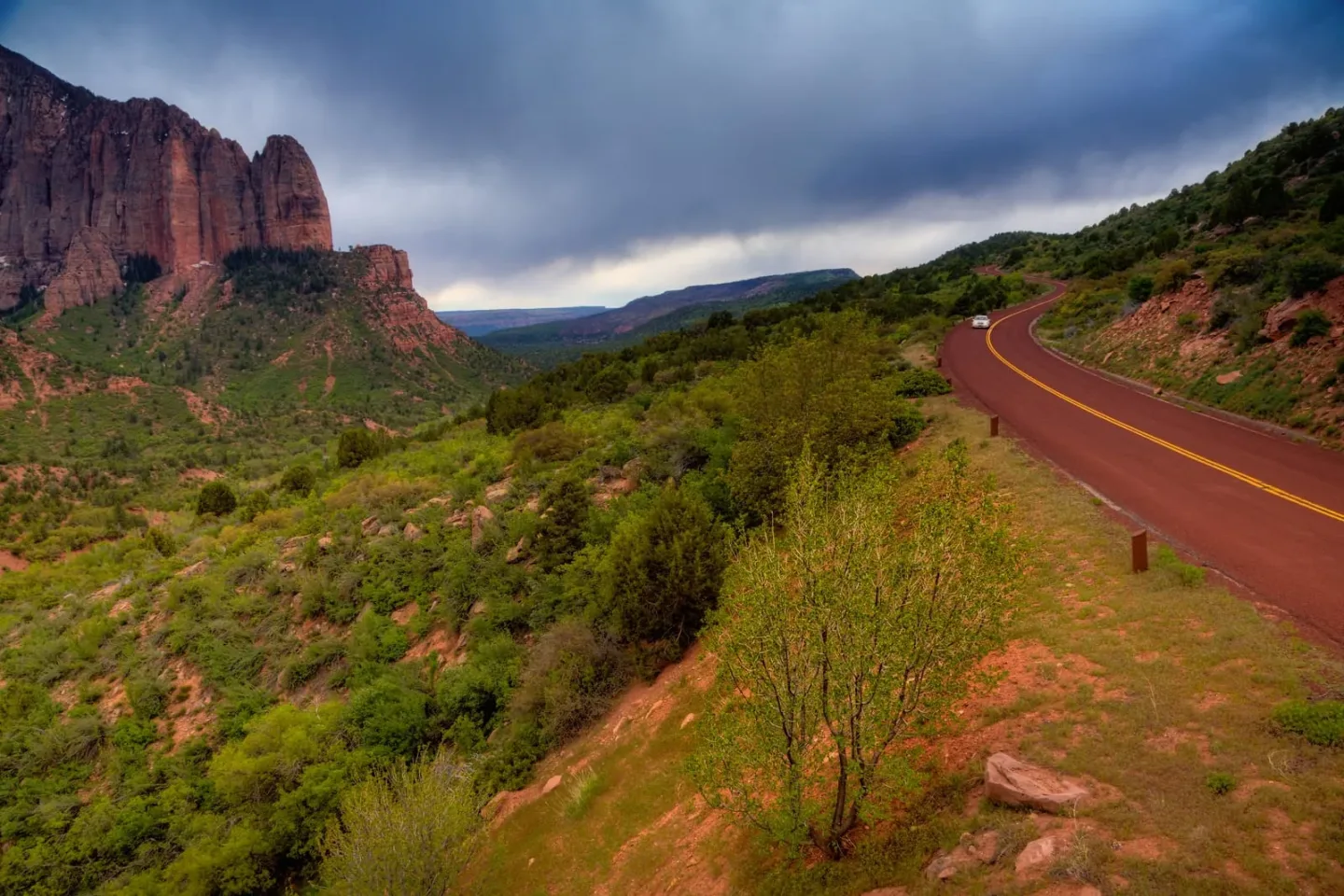
The Kolob Canyons section of Zion receives a fraction of the main canyon's visitors, offering a more peaceful experience among Zion National Park hiking trails. Located in the park's northwest corner and accessed via Interstate 15, this area showcases a different character than the main canyon.
The Taylor Creek Trail, one of the most popular routes in this section, follows a historic route past pioneer-era cabins and crosses the creek multiple times. The hike culminates at Double Arch Alcove, a massive natural amphitheater in the canyon wall. For those with limited time or seeking an alternative to the crowded main canyon, this area provides an excellent taste of Zion hiking without the chaos.
Essential Tips for Hiking in Zion National Park
Success and safety while hiking in Zion National Park require proper preparation and awareness. Here's what you need to know to make your trip both enjoyable and secure.
Weather and Timing Your Hike
Zion's climate can be intense, and planning around it makes all the difference:
- Summer heat: Temperatures regularly exceed 100°F in the canyon bottoms
- Spring and fall: More moderate conditions in the 60-80°F range (ideal hiking weather)
- Winter conditions: Cold temperatures and occasional snow, particularly at higher elevations
- Afternoon storms: Common in summer, bringing flash flood risks to narrow canyons like The Narrows
- Best strategy: Start your hike at sunrise to avoid crowds and heat, or go late afternoon for dramatic lighting
Staying Safe and Prepared
The basics that every hiker needs to remember:
- Water is critical: Carry at least one liter per person per hour of hiking, more during summer. The arid climate and strenuous trails mean you'll dehydrate faster than you expect
- Know your limits: Angel's Landing has resulted in multiple fatalities over the years from falls. Be honest about your fitness level and fear of heights before attempting exposed routes
- Turn back when needed: Many Zion hiking trails have scenic viewpoints before the most difficult sections, letting you enjoy the experience without unnecessary risks
- Check conditions: Always verify trail status and flash flood potential before heading out
Understanding the Zion Shuttle System
From March through November, private vehicles can't access Zion Canyon Scenic Drive. The free shuttle system runs regularly from the visitor center, stopping at all major trailheads. This is crucial info for anyone hiking in Zion National Park:
- First shuttles leave around 6 AM (get there early for popular trails)
- Last buses run until after sunset
- Early shuttles fill quickly during peak season
- Plan your entire day around shuttle stops and timing
Must-See Spots Beyond the Trails
While the hiking trails rightfully draw most attention, Zion offers additional viewpoints and attractions that showcase the park's beauty without requiring strenuous exertion.
Quick Scenic Stops
The Court of the Patriarchs
This roadside viewpoint gives you stunning views of three towering peaks named Abraham, Isaac, and Jacob. The short paved path from the shuttle stop takes just minutes, making it perfect when you're short on time or energy. Morning light illuminates these massive formations beautifully. You get a real taste of Zion's grandeur without committing to longer Zion hiking trails.
Zion Canyon Scenic Drive
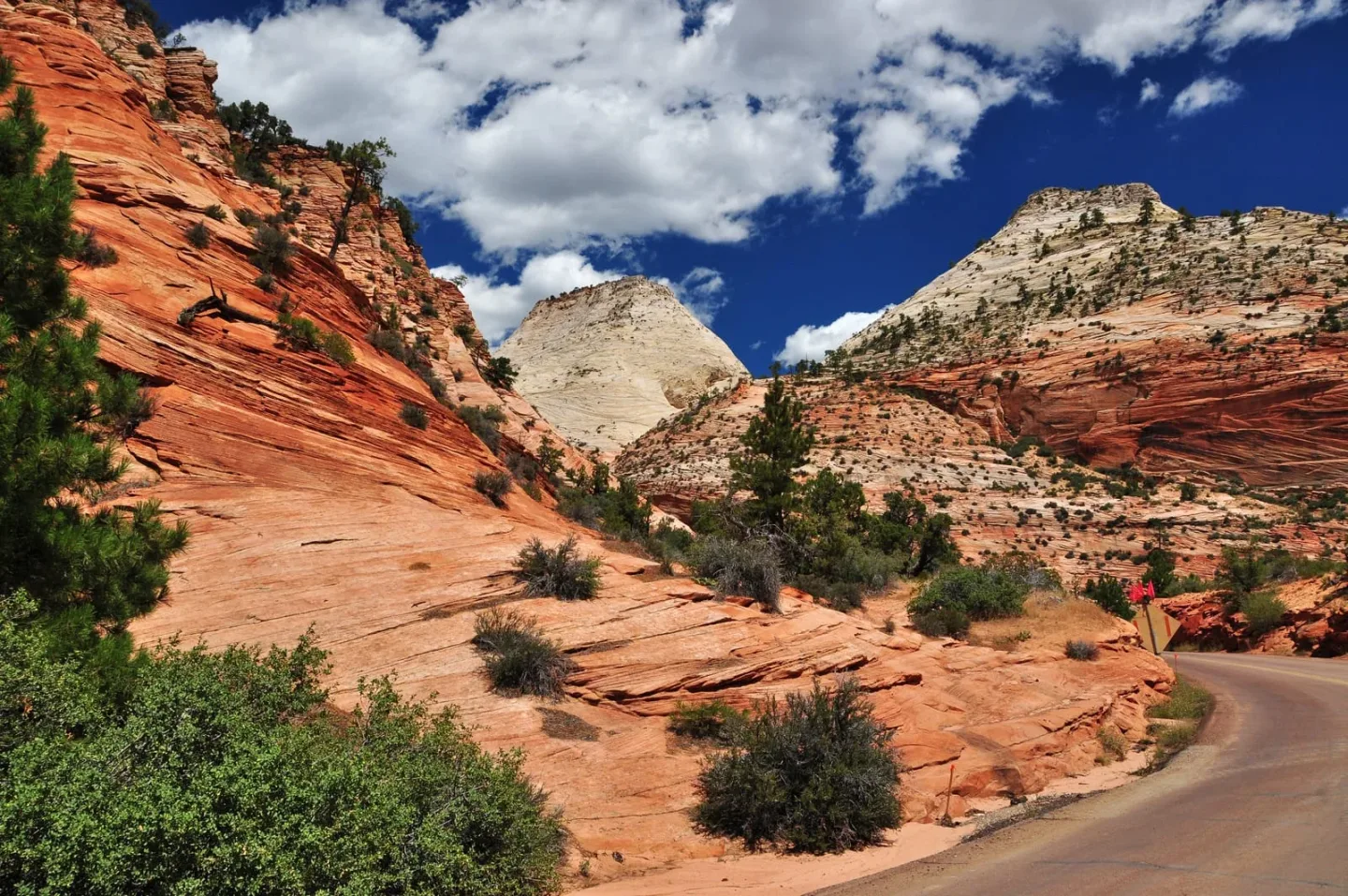
Even without stepping onto a trail, the scenic drive through the main canyon showcases Zion's geological wonders. The road winds along the Virgin River, passing beneath towering cliffs striped with desert varnish and mineral deposits. Key formations like the Great White Throne and Angels Landing dominate the skyline at various points. You'll need to use the shuttle during peak season, but the experience provides an excellent overview of the park.
Easy Trails Worth Your Time
Canyon Overlook Trail
This short but rewarding trail begins at the east entrance of the Zion-Mount Carmel Tunnel. The one-mile round-trip climb gradually leads to a dramatic viewpoint overlooking lower Zion Canyon and Pine Creek Canyon. The trail involves some narrow sections and minor exposure, but railings provide security. It's a favorite for families and those seeking a quick taste of hiking in Zion National Park without major exertion.
The Temple of Sinawava
Located at the end of Zion Canyon Scenic Drive, this area serves as the gateway to The Narrows. Even if you're not tackling the full slot canyon, the paved Riverside Walk extends one mile along the Virgin River. The walk is wheelchair accessible and gives you a gentle introduction to Zion's slot canyon environment. Early morning visits offer quieter experiences and better wildlife viewing, while late afternoon brings warm light onto the canyon walls.
Plan Your Zion Hiking Experience
Zion National Park offers incredible diversity among its hiking trails, from family-friendly walks to challenging backcountry routes that test even experienced hikers. The key to a successful visit? Match trails to your fitness level while staying prepared for the unique challenges of desert hiking.
Whether you spend your time wading through The Narrows, conquering the chains on Angel's Landing, or enjoying sunset from The Watchman, these Zion hiking trails provide memories that last a lifetime. Take time to explore beyond the most famous routes to discover quieter corners of the park.
The magic of hiking in Zion National Park comes not just from reaching summits or completing difficult trails, but from experiencing the unique geology, ecosystems, and natural beauty that make this place special. With proper planning and realistic expectations, your Zion National Park hiking experience will be both safe and unforgettable.