Getting lost while hiking is one of those fears that lurks in the back of your mind, especially when the trail gets sketchy or fog rolls in out of nowhere. And honestly? It's a valid concern. The wilderness is stunning, but it can also be incredibly disorienting when landmarks disappear or that "easy to follow" trail suddenly forks in three directions with zero signage.
Here's the thing: with solid preparation and some basic know-how, you can seriously cut down your chances of ending up on an unplanned detour. And if you do lose the trail? Knowing how to handle it calmly can turn a stressful situation into just another story you'll tell later.
According to the National Park Service, search and rescue teams respond to thousands of incidents each year, with many cases involving hikers who become disoriented or lost on trails. The good news is that most of these situations are preventable or manageable with the right approach.
Before You Hit the Trail: Setting Yourself Up for Success
The secret to not getting lost starts way before you lace up your boots. A little homework goes a long way.
Do Your Homework on the Trail
Before heading out, dig into what you're actually getting yourself into. Check recent trip reports on AllTrails or local hiking forums to see what conditions are really like right now, not what the guidebook said three years ago. Look for mentions of confusing intersections, faded markers, or sections where people commonly take wrong turns.
Study the elevation profile and identify big landmarks you'll pass: that distinctive peak, the lake at mile three, the old fire tower. These visual anchors help you track progress and know when something feels off. And here's a pro tip: "moderate" means different things in different places. A moderate trail in Florida is not the same as a moderate trail in Colorado.
Tell Someone Where You're Going (Seriously)
This one sounds obvious, but people skip it all the time. Always tell someone your specific plans: which trailhead, what route, and when you'll be back. Give them clear instructions about what to do if you don't check in by a certain time.
If you hike solo regularly, consider a GPS tracker like a Garmin inReach that lets people follow your progress. It's peace of mind for them and a safety net for you.
Pack the Right Navigation Gear
Your phone is great, but it's not enough. Here's what should be in your pack:
- Detailed topographic map of the area (paper, not just digital)
- Compass that you actually know how to use
- Fully charged smartphone with offline maps downloaded
- Portable charger or backup battery
- Waterproof map case to protect your paper map
Paper maps are clutch because they work when everything else fails. No signal needed, no dead battery. Just make sure you learn to read contour lines and understand the scale before you're standing at a confusing trail junction trying to figure it out.
Essential Skills for Staying on Track
Technology helps, but old-school navigation skills are what really keep you found. These work whether your phone has a 100% battery or is a paperweight.
Crack the Code on Trail Markers
Different areas mark trails differently, and knowing the system matters:
- Blazes: Painted marks on trees or rocks, usually in specific colors per trail
- Cairns: Stacked rocks used above the treeline or in rocky areas
- Signs: Wooden posts at junctions with distances and directions
- Double blazes: Often indicate an upcoming turn
- Triple blazes: Sometimes mark trail ends
Missing three or four markers in a row? That's your cue to stop and backtrack. The trail didn't disappear; you just left it.
Navigate Using Nature (No Tech Required)
The sun rises in the east and sets in the west. Basic, but useful when you need to maintain a general direction. In the Northern Hemisphere, the sun tracks across the southern part of the sky, giving you a rough compass all day long.
Pay attention to big natural features too. Before you start hiking, note where major landmarks are relative to your route. That mountain ridge should stay on your left as you head out? If it's suddenly on your right, something changed.
Stay Oriented by Looking Back
Here's a trick that sounds simple but works incredibly well: turn around every so often and look at where you came from. The trail looks completely different heading back, and you'll need to recognize it on your return trip.
Take mental snapshots of distinctive stuff: that oddly shaped tree, the boulder that looks like a turtle, the spot where two trails almost meet. If the trail suddenly gets faint or you're pushing through brush when you should be on a clear path, stop. Look back. Can you still see the trail behind you? If not, backtrack to the last spot that made sense.
Red Flags That You Might Be Off-Route
Getting lost while hiking doesn't usually happen in an instant. There are warning signs, and catching them early can save you a lot of trouble.
Trust Your Gut When Something Feels Wrong
If the trail suddenly feels sketchy, if you're unexpectedly scrambling over obstacles, or if you're bushwhacking when you should be on a maintained path, stop right there. That uncomfortable feeling that something's off? Listen to it.
Social trails are sneaky. These are unofficial paths created by other hikers, and they can look legit but lead nowhere good. Don't just follow boot prints. Look for actual trail markers.
Watch for Dramatic Changes
If the terrain suddenly looks nothing like what you expected, or if the weather shifts and visibility drops, pause and reassess. Maybe you took a wrong turn a while back, or maybe conditions have changed enough that continuing isn't smart.
What to Do If You Get Lost While Hiking: A Step-by-Step Guide
Alright, so despite your best efforts, you've realized you're not where you think you should be. Here's how to handle it.
Step One: Stop and Breathe
The absolute most important thing when you realize you're lost is to stop moving and calm down. Panic makes you do dumb things and burns energy you might need later. Sit down, have some water, and give yourself a minute to think straight.
Ask yourself:
- How long have you been off-trail?
- Can you see or hear anything familiar?
- Do you have enough food, water, and layers if you're stuck overnight?
- Is anyone expecting you back at a specific time?
This honest assessment helps you make smart decisions instead of reactive ones.
Use Whatever Navigation Tools You Have
Pull out your map and compass, or check your phone's GPS. Even if you're not 100% sure where you are, you can usually narrow it down. Look around: are you in a valley or on a ridge? What direction is water flowing? What kind of trees are around you? Match these clues to your map.
If you downloaded offline maps (and you should have), your phone's GPS works even without cell service. Use that blue dot along with terrain features to figure out where you are and how to get back on track.
Mark Your Spot Before Moving
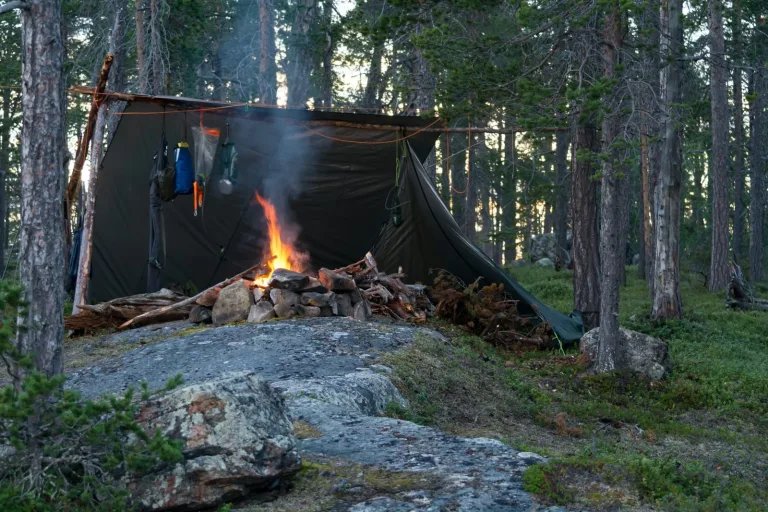
Before you start wandering around looking for the trail, mark where you are right now. Drop a bright piece of clothing, stack some rocks in an obvious way, or save a GPS waypoint. This creates a home base.
If your first attempt to find the trail doesn't work, you can return to this marked spot instead of spiraling farther into the woods. It's the "last known point" method, and it prevents you from making the situation worse.
Signal for Help If You Need It
Got cell service? Use it. Call 911 and give them as much detail as possible about where you are and what you can see around you. Even spotty service might let a text go through when a call won't.
A whistle is way more effective than yelling. The universal distress signal is three blasts, pause, repeat. If you need to be spotted from above, create visual contrast: lay out bright clothing in an open area, or build a small signal fire if it's safe and legal.
Know When to Stay Put
There's a point where searching for the trail becomes counterproductive. If you've tried multiple times without success, if it's getting dark, or if the weather is getting worse, the smart move is to stop and stay where you are.
Here's what to do if you're staying put:
- Find or make shelter in a safe spot away from hazards
- Stay dry and maintain your body temperature
- Conserve phone battery for actual emergencies
- Make yourself visible if possible
- Wait for help if someone knows your plans
Rescuers have a much easier time finding someone who stays in one location than someone who keeps wandering randomly. This is exactly why you told someone your hiking plan, right?
The Bottom Line on Not Getting Lost
Learning how to avoid getting lost while hiking isn't rocket science. It's about doing your homework, packing the right stuff, and paying attention as you walk. These habits become second nature pretty quickly, and they make a huge difference.
If you do find yourself off-trail and disoriented, remember that staying calm is your superpower. Use your tools, mark your location, and don't let pride stop you from calling for help when you need it. Knowing what to do if you get lost while hiking is really about stopping, thinking, and making deliberate choices instead of panicking.
The woods are amazing, but they demand respect. Take time to build your navigation skills, carry proper gear, and approach each hike with your eyes open. With these basics locked in, you can explore with confidence, knowing you're ready to handle whatever comes up on the trail.