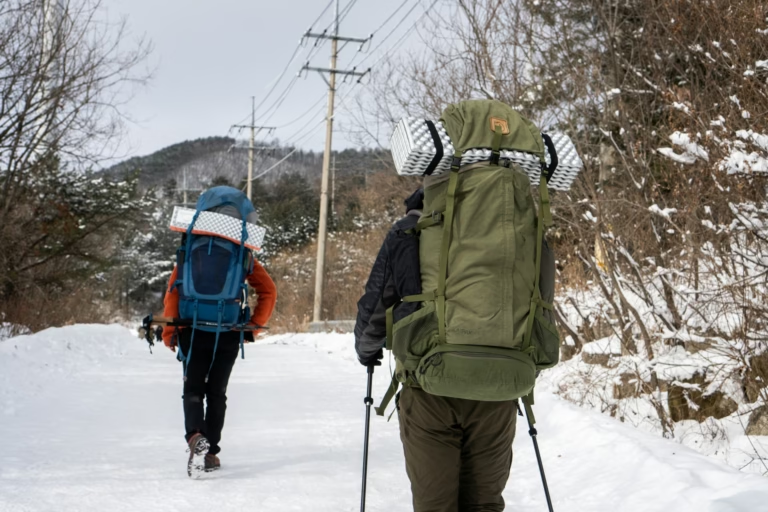
There's something magical about hitting the trails when snow transforms familiar paths into quiet, crystalline wonderlands. Winter hiking offers a completely different perspective on nature compared to summer treks. The crowds thin out, wildlife tracks become visible stories written in fresh snow, and the crisp air provides an invigorating contrast to stuffy indoor heating.
Yet winter hiking also brings unique challenges that demand respect: slippery ice, limited daylight, freezing temperatures, and snow-covered trail markers can turn a pleasant outing into a serious situation if you're unprepared.
The key to enjoying winter trails safely lies in choosing routes that match your experience level and preparing appropriately. Whether you're a complete novice looking for a gentle introduction to cold-weather hiking or an experienced trekker ready to tackle steep, snow-packed ascents, the right trail selection makes all the difference. This guide breaks down winter hiking trails across three skill levels, helping you find the perfect snowy path for your abilities.
What Makes Winter Hiking Different
Winter conditions fundamentally change how trails behave and what hikers need to consider before setting out.
The terrain transforms dramatically once temperatures drop. Snow covers rocks, roots, and other obstacles that provide helpful footing in warmer months. Ice patches form on shaded sections and near water sources, creating slippery hazards that require careful navigation.
Frozen streams and lakes alter the visual markers you might use for orientation, and deep snow can obscure the actual trail path entirely. Even familiar routes from summer hikes become new challenges when blanketed in winter white.
Weather conditions impose additional constraints on winter hiking trails that don't exist during other seasons. Daylight hours shrink considerably, meaning a hike that takes three hours in July might need to start much earlier in January to avoid finishing in darkness.
Temperatures drop quickly once the sun sets, and what feels comfortable at 2 PM can become dangerously cold by 5 PM. Wind chill factors can make exposed ridgelines unbearable even when valley temperatures seem reasonable.
According to the National Weather Service's winter weather safety guidelines, frostbite can occur on exposed skin in as little as 30 minutes when temperatures drop below 15°F with moderate wind.
These conditions require specialized gear that goes beyond normal hiking equipment:
- Insulated, waterproof boots with aggressive tread for traction on snow and ice
- Layered clothing systems that wick moisture while providing warmth
- Trekking poles for added stability on slippery surfaces
- Microspikes or crampons for icy trail sections
- Headlamps as mandatory gear, given how quickly darkness arrives
How to Choose the Right Winter Trail for Your Skill Level
Matching trail difficulty to your actual winter hiking experience prevents miserable outings and keeps you safe when conditions get challenging.
Considerations for Beginners
Those new to hiking trails in winter should prioritize routes with specific safety features. Look for short trails under 3 miles that can be completed in 1-2 hours, leaving plenty of buffer time before sunset.
Low-elevation paths generally have less snow accumulation and warmer temperatures than high-altitude alternatives. Well-marked trails with clear signage reduce navigation anxiety when snow obscures the path. Well-maintained routes see regular foot traffic, which packs down snow and makes walking easier while providing the comfort of knowing others are nearby.
Key features to look for in beginner winter trails include:
- Short distances under 3 miles round trip
- Minimal elevation gain (less than 500 feet)
- Paved or well-packed surfaces that reduce slipping hazards
- Clear trail markers that remain visible in snow
- Proximity to facilities like parking and visitor centers
Proximity to parking areas and shelter also matters significantly for beginners. Trails that start and end near your vehicle mean you can quickly warm up if conditions become uncomfortable. Routes near visitor centers or facilities provide emergency refuge if the weather deteriorates unexpectedly.
Intermediate and Advanced Hikers
More experienced hikers can explore the best hiking trails in winter that offer greater challenges and rewards. Longer distances up to 8-10 miles test endurance in cold conditions.
Steeper inclines require more energy expenditure, which demands careful attention to hydration and nutrition despite cold temperatures that suppress thirst signals. Deeper snow conditions might necessitate snowshoes for efficient travel, while icy sections could require crampons and potentially ice axes for safe passage.
Advanced winter trails often venture into more remote terrain where self-sufficiency becomes critical. These routes assume you carry emergency shelter, extra food and water, navigation tools, and know how to use them all competently.
Beginner-Friendly Winter Hiking Trails
Starting with accessible winter trails builds confidence and skills before progressing to more demanding routes.
The River Walk - San Antonio, Texas
- Length: 3 miles (round trip)
- Difficulty: Easy
Key Features: This paved urban trail follows the San Antonio River through downtown, offering a gentle introduction to winter walking without wilderness complications. The relatively mild Texas winter means temperatures rarely drop to dangerous levels, and the complete absence of snow or ice eliminates slipping hazards.
Urban surroundings provide constant access to shelter, restrooms, and warming stations.
Why It's Perfect for Beginners: The completely flat, paved surface requires zero technical skills or special equipment. You can walk this trail in regular winter clothing and standard shoes.
The urban setting removes intimidation factors that wilderness trails might present to first-timers, while still providing outdoor exercise and fresh air during colder months.
The Lake Louise Shoreline Trail - Banff National Park, Alberta
- Length: 2.5 miles (round trip)
- Difficulty: Easy
Key Features: This flat, well-maintained path circles one of Canada's most photographed lakes, offering postcard-perfect views of turquoise water surrounded by snow-draped peaks. The trail stays low and level, requiring minimal physical exertion.
Winter transforms the already stunning scenery into something even more spectacular, with ice formations along the shoreline and pristine snow coating the surrounding mountains.
Why It's Perfect for Beginners: Despite being a genuine winter trail in a snowy location, the route sees enough traffic that the path stays packed and relatively easy to navigate. The flat terrain means you can focus on adjusting to cold temperatures and winter clothing without also managing steep climbs.
The proximity to the famous Fairmont Chateau Lake Louise provides immediate access to warm shelter and facilities.
Makapu'u Point Lighthouse Trail - Oahu, Hawaii
- Length: 2 miles (round trip)
- Difficulty: Easy
Key Features: This paved trail climbs gradually to a historic lighthouse with sweeping Pacific Ocean views. Winter months coincide with humpback whale migration season, offering the bonus of potential whale sightings from the trail.
The fully paved surface eliminates any snow or ice concerns entirely, though winter brings cooler temperatures and occasional rain to Hawaii.
Why It's Perfect for Beginners: The combination of paved surface, moderate distance, and gentle grade makes this an ideal first winter trail. While Hawaii doesn't experience traditional winter conditions, hiking here in December through February teaches valuable lessons about layering clothing and adjusting to cooler temperatures without the added stress of snow or ice navigation.
Intermediate Winter Hiking Trails
Once you've mastered basic winter hiking trails, these moderate challenges provide the next step in skill development.
Echo Canyon Trail - Camelback Mountain, Arizona
- Length: 1.2 miles (one-way)
- Difficulty: Moderate
Key Features: This steep desert trail gains significant elevation quickly, offering panoramic views of the Phoenix metropolitan area and surrounding desert peaks. Winter brings occasional snow to Camelback's higher elevations, creating unusual desert snow conditions.
The trail includes some scrambling sections with metal handrails, requiring more technical movement than simple walking.
Why It's Perfect for Intermediate Hikers: The short distance makes this achievable for those still building winter endurance, but the steep grade and occasional icy patches on rock surfaces provide genuine challenges. The desert setting means you can retreat to warm temperatures quickly if conditions on the mountain become uncomfortable.
The Lost Lake Trail - Whistler, British Columbia
- Length: 4 miles (round trip)
- Difficulty: Moderate
Key Features: This forested trail winds through old-growth trees to a peaceful alpine lake that often freezes completely in winter. The route gains modest elevation through fairly consistent terrain, passing through quintessential Pacific Northwest winter scenery.
Snow typically covers the trail, requiring either snowshoes or acceptance of post-holing through deeper sections.
Why It's Perfect for Intermediate Hikers: The manageable distance and moderate elevation gain let you focus on adjusting to deeper snow conditions without excessive exhaustion. The well-used trail usually has a packed track from previous hikers, making navigation straightforward even when snow obscures the actual path.
Grinnell Glacier Trail - Glacier National Park, Montana
- Length: 7 miles (round trip)
- Difficulty: Moderate
Key Features: This longer route travels through classic Glacier National Park scenery to reach one of the park's namesake glaciers. Winter adds frozen waterfalls, snow-laden evergreens, and spectacular ice formations to the already impressive views.
The trail follows a steady upward grade without any extremely steep sections, though the length and elevation combine for a solid workout.
Why It's Perfect for Intermediate Hikers: The increased distance tests your ability to maintain warmth and energy over longer periods, while the moderate technical difficulty doesn't require advanced equipment or skills. This trail represents good preparation for advancing to more challenging winter routes.
Advanced Winter Hiking Trails
Experienced winter hikers ready for serious challenges will find these best hiking trails in winter both demanding and deeply rewarding.
The Tuckerman Ravine Trail - White Mountain National Forest, New Hampshire
- Length: 4.2 miles (one-way)
- Difficulty: Hard
Key Features: This challenging ascent climbs toward Mount Washington through increasingly steep terrain, culminating in the dramatic glacial cirque of Tuckerman Ravine. Winter conditions here rank among the most severe in the eastern United States, with high winds, extreme cold, and deep snow creating legitimate mountaineering conditions.
The trail requires crampons for icy sections and possibly an ice axe for steeper pitches. According to the Mount Washington Avalanche Center, avalanche danger can be significant in Tuckerman Ravine during the winter months, requiring avalanche safety knowledge and equipment.
Essential gear for this trail includes:
- Crampons for traction on steep, icy sections
- Ice axe for self-arrest and balance
- Avalanche beacon, probe, and shovel when conditions warrant
- Winter mountaineering boots rated for extreme cold
- Multiple insulation layers, including a windproof outer shell
Why It's Perfect for Advanced Hikers: The extreme conditions provide a genuine winter mountaineering experience without requiring travel to major ranges. This trail demands competence with winter safety gear, navigation in whiteout conditions, and a realistic assessment of weather risks.
Only those with solid winter experience should attempt this route.
Mount Hood Trail - Mount Hood National Forest, Oregon
- Length: 9 miles (round trip)
- Difficulty: Hard
Key Features: This high-altitude route climbs steadily through increasingly alpine terrain toward the summit of Oregon's iconic volcanic peak. Deep snow covers the trail entirely in winter, requiring snowshoes or skis for reasonable progress.
Steep sections demand ice axe skills, while high winds and rapid weather changes test preparation and decision-making abilities.
Why It's Perfect for Advanced Hikers: The substantial elevation gain, combined with technical terrain and changeable mountain weather, creates conditions that separate casual hikers from serious winter mountaineers. Success requires proper equipment, physical fitness, and the experience to recognize when conditions dictate turning back.
Highline Trail - Glacier National Park, Montana
- Length: 7.6 miles (one-way)
- Difficulty: Hard
Key Features: This high-elevation trail traverses exposed alpine terrain with dramatic drop-offs and sweeping views of glaciers and peaks. Winter adds significant avalanche risk to already challenging conditions, while snow and ice on narrow trail sections require complete focus and secure footing.
The remote location means help is far away if problems arise.
Why It's Perfect for Advanced Hikers: The combination of technical difficulty, exposure, objective hazards, and remote location makes this suitable only for highly experienced winter hikers with mountaineering skills. The stunning scenery and sense of achievement reward those with the skills to travel safely in this demanding terrain.
Essential Skills for Winter Hiking Success
Regardless of which winter trails you choose, certain skills and preparations apply across all difficulty levels.
Before heading out on hiking trails in winter, make sure you can:
- Navigate with a map and a compass when trail markers disappear under snow
- Recognize signs of hypothermia and frostbite in yourself and others
- Layer clothing effectively to manage body temperature during varying activity levels
- Assess avalanche terrain and understand basic snow stability (for mountain routes)
- Plan realistic turnaround times that account for shorter daylight hours
Winter Hiking is for Everyone
The beauty of winter trails lies in their accessibility across skill levels when you choose appropriately. Complete beginners can enjoy peaceful walks on maintained paths in mild climates, building confidence and learning how their bodies respond to cold-weather exercise.
Intermediate hikers can progress to trails with genuine snow and ice, developing technical skills while still maintaining reasonable safety margins. Advanced mountaineers can find serious challenges that test every aspect of their winter travel abilities.
The key factor that makes hiking trails in winter enjoyable, regardless of skill level, is honest self-assessment combined with proper preparation. Start with easier routes than you might choose in summer, giving yourself room to learn how winter conditions change the game.
Invest in appropriate gear for your chosen difficulty level. Check weather forecasts and trail reports before departing. Most importantly, remain flexible enough to turn back if conditions exceed your comfort or ability level.
Winter transforms familiar trails into new experiences and opens access to scenery that exists nowhere else. With thoughtful planning and realistic goal-setting, cold-season hiking can become a favorite annual tradition rather than something to endure until spring returns.