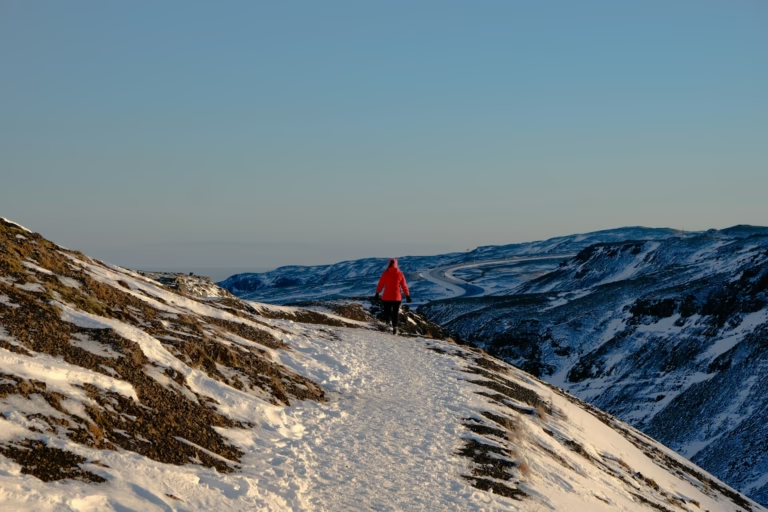
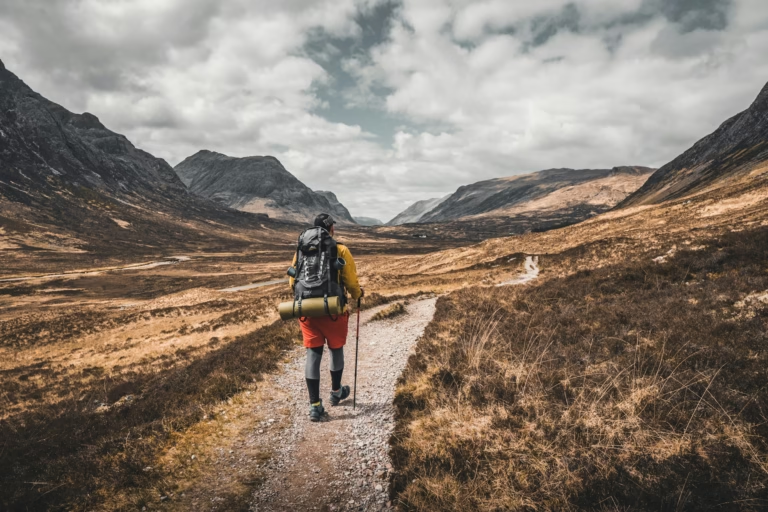
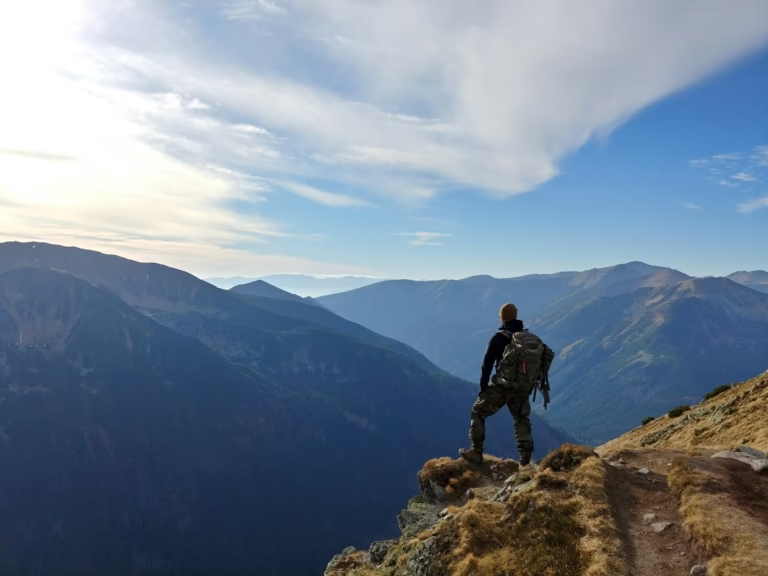
Winter transforms familiar trails into something completely different. Snow muffles sound, creating a peaceful quiet that summer hiking never achieves. Ice crystals catch sunlight in ways that make ordinary views spectacular. And best of all, the crowds disappear, leaving trails feeling like your own private wilderness.
But hiking in cold weather isn't just summer hiking with a jacket thrown on. The stakes are higher, the margin for error smaller, and the consequences of poor planning potentially serious. Hypothermia, frostbite, and getting caught after dark in freezing temperatures are real risks that demand respect and preparation.
The good news is that cold-weather hiking becomes genuinely enjoyable once you understand what you're dealing with and how to handle it. With the right gear, smart planning, and awareness of winter-specific hazards, those pristine snowy trails become accessible rather than intimidating.
What Makes Cold Weather Hiking Different
Winter hiking isn't just colder. It fundamentally changes how trails behave and what your body needs to stay functional.
The Real Risks of Winter Trails
Hypothermia and frostbite represent the most serious cold-weather dangers. Hypothermia occurs when your core body temperature drops below 95°F, initially causing shivering and confusion, then progressing to slurred speech, drowsiness, and eventually loss of consciousness. It happens faster than most people expect, especially when clothing gets wet from sweat or precipitation.
Frostbite freezes skin and underlying tissues, most commonly affecting extremities like fingers, toes, ears, and nose. Early warning signs include numbness, white or grayish skin, and a hard or waxy texture. Severe frostbite causes permanent tissue damage requiring medical intervention.
According to the Centers for Disease Control and Prevention's winter weather guide, recognizing early symptoms and taking immediate action prevents these conditions from becoming life-threatening emergencies.
Snow and ice conditions make navigation harder and falls more likely. Packed snow hides trail markers and obscures the actual path. Ice patches lurk under innocent-looking snow cover, creating slip hazards. Stream crossings that are straightforward in summer become dangerous when ice makes rocks slippery or unstable.
Shorter daylight compresses available hiking time significantly. A trail that takes 6 hours in July might need an earlier start in January just to finish before darkness. Winter days mean less margin for getting lost, taking wrong turns, or dealing with unexpected delays.
Planning for Winter Conditions
Cold-weather hiking demands more thorough preparation than summer trips. Check detailed weather forecasts, not just temperatures but also wind speeds, precipitation chances, and sunrise/sunset times. Winter weather changes quickly, and what starts as a clear morning can turn into whiteout conditions by afternoon.
Research trail conditions through recent trip reports. Snow depth, ice presence, and whether the trail has been broken versus unbroken dramatically affect difficulty and time requirements.
Essential Gear That Actually Keeps You Warm
The difference between miserable cold and comfortable cold comes down to wearing the right stuff in the right way.
Layering Systems for Temperature Control
Proper layering for cold-weather hiking follows a three-layer strategy that adapts to changing conditions and exertion levels:
- Base layer: Moisture-wicking merino wool or synthetic fabric that pulls sweat away from skin; avoid cotton, which stays wet and sucks heat away
- Insulation layer: Fleece or down jacket that traps warm air; thickness depends on how cold the conditions are
- Outer shell: Waterproof, windproof jacket and pants that block precipitation and wind while allowing moisture vapor to escape
- Extra insulation: Puffy jacket carried in your pack for breaks when you stop generating body heat
The key is adjusting layers throughout the hike. Climbing uphill generates lots of heat, so shed layers before you start sweating. During breaks or descents, add layers immediately to prevent rapid cooling.
Footwear and Traction for Winter Conditions
Regular hiking boots might work for mild winter hiking, but serious cold demands insulated, waterproof boots rated for the temperatures you'll encounter. Look for boots with aggressive tread patterns that grip snow and ice effectively.
Consider these footwear additions for cold-weather hiking tips:
- Insulated boots: Rated to at least 200 grams of insulation for cold weather, 400+ for extreme cold
- Gaiters: Keep snow out of boots and add extra lower leg insulation
- Microspikes or crampons: Essential traction devices for icy trails
- Wool or synthetic socks: Thick enough for warmth but not so tight that they restrict circulation
Protection for Extremities
Fingers, toes, ears, and nose lose heat fastest and suffer frostbite first. Quality protection for these areas is non-negotiable for tips for hiking in cold weather.
Bring multiple glove options: thin liner gloves for dexterity when handling gear, insulated gloves or mittens for warmth while hiking, and heavy-duty mittens for extreme cold or breaks.
Hats that cover ears prevent significant heat loss. Balaclavas or face masks protect the nose and cheeks in bitter cold or high winds. Many hikers carry chemical hand and toe warmers as emergency backup heat sources.
Winter-Specific Equipment
Standard trekking poles need snow baskets (wider circular attachments) to prevent sinking deep into snow. Snowshoes become necessary when snow depth exceeds about 6-8 inches of unpacked powder, preventing exhausting post-holing.
Winter hiking requires additional safety gear beyond summer essentials:
- Emergency shelter: A lightweight bivy sack or emergency blanket provides critical protection if stuck out overnight
- Fire-starting materials: Waterproof matches, lighter, and tinder in a waterproof container
- Extra food and water: More than you think you need since winter hiking burns more calories
- Headlamp with fresh batteries: Critical since darkness arrives early and batteries drain faster in cold weather
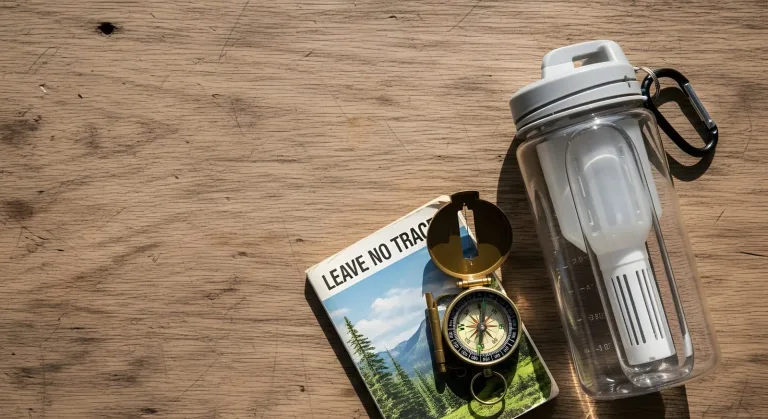
- Navigation tools: Map, compass, and GPS with downloaded offline maps
Proven Cold Weather Hiking Tips
Beyond having the right gear, specific techniques, and awareness, keep winter hikes safe and enjoyable.
Managing Exertion and Body Temperature
Cold-weather hiking creates a constant balancing act between generating enough body heat through exertion and avoiding overheating that causes sweating. Wet clothing loses most of its insulating value and can lead to dangerous cooling once you stop moving.
Adjust pace to match conditions. Slower, steadier movement on slippery or uneven terrain reduces fall risk while maintaining consistent body heat without overheating. Take breaks frequently to assess how you're feeling, eat snacks, and adjust layers.
Remove layers before you start sweating, not after you're already soaked. This feels counterintuitive since you'll be slightly cool at first, but you'll warm up within minutes of movement. Many experienced winter hikers hike in surprisingly minimal layers, carrying the extra insulation for breaks.
Hydration in Cold Conditions
The cold suppresses thirst signals, making it easy to become dehydrated without realizing it. Cold air is also dry air, pulling moisture from your body with every breath. Dehydration impairs judgment and physical performance.
Practical hydration strategies include:
- Insulated bottle holders prevent water from freezing in bottles
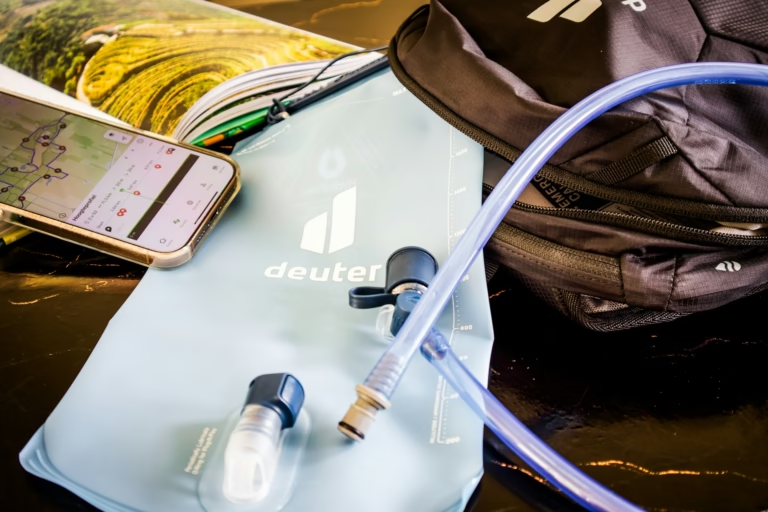
- Hydration bladders under jackets use body heat to keep drinking tubes from freezing
- Warm drinks in thermoses provide both hydration and warmth
- Forced drinking schedule every 15-20 minutes, whether you feel thirsty or not
Recognizing and Responding to Cold Injuries
Know the warning signs of hypothermia and frostbite before you need them. Early detection and immediate action prevent minor issues from becoming serious medical emergencies.
Hypothermia symptoms progress through stages:
- Mild: Uncontrollable shivering, fumbling hands, confusion, slurred speech
- Moderate: Violent shivering stops, increasing confusion, drowsiness
- Severe: No shivering, unconsciousness, weak pulse
If someone shows hypothermia symptoms, stop immediately, get them dry and warm, give warm drinks if they're conscious, and consider turning back or calling for rescue.
Frostbite warning signs include:
- Numbness or tingling in affected areas
- Skin that appears white, grayish, or waxy
- Hard or blistering skin texture
- Loss of feeling in fingers or toes
Prevent frostbite by keeping extremities covered, maintaining circulation through movement, and addressing any numbness immediately. Don't rub frozen tissue. Warm affected areas gradually with body heat or warm water.
Adapting to Changing Winter Weather
The weather in the mountains or exposed areas can shift dramatically within hours. That sunny morning might turn into an afternoon snowstorm with high winds. Always carry gear for conditions worse than forecasted.
Watch clouds throughout the hike. Rapidly building cloud cover, changing wind direction, or temperature drops signal incoming weather systems. Have clear turnaround criteria established before the hike: specific times, weather thresholds, or signs that conditions are becoming unsafe.
Weatherproof your gear proactively. Use pack covers or dry bags inside your pack to keep critical items dry. Store extra clothes and emergency gear in waterproof bags. Ensure your outer layers actually work in wet conditions, not just cold, dry weather.
Making Winter Hiking Enjoyable
All these precautions might make hiking in cold weather sound like a grim survival exercise. Done right, though, it becomes something special that summer hiking can't match.
Start with shorter, easier trails when learning cold-weather hiking techniques. Build experience and confidence on forgiving routes before attempting challenging terrain in winter conditions. Each successful winter hike teaches valuable lessons about your gear, your body's responses, and what actually works for you.
Hike with experienced winter hikers when possible. Group dynamics provide safety margins and learning opportunities that solo winter hiking lacks. Plus, shared challenges somehow become shared fun when you're all dealing with the same cold toes and frozen water bottles.
The solitude and beauty of winter trails reward those willing to prepare properly. Fewer people means more wildlife encounters, pristine snow unmarred by boot prints, and the satisfaction of earning views that fair-weather hikers never see. Cold-weather hiking opens access to trails that exist in a completely different form than their summer versions.