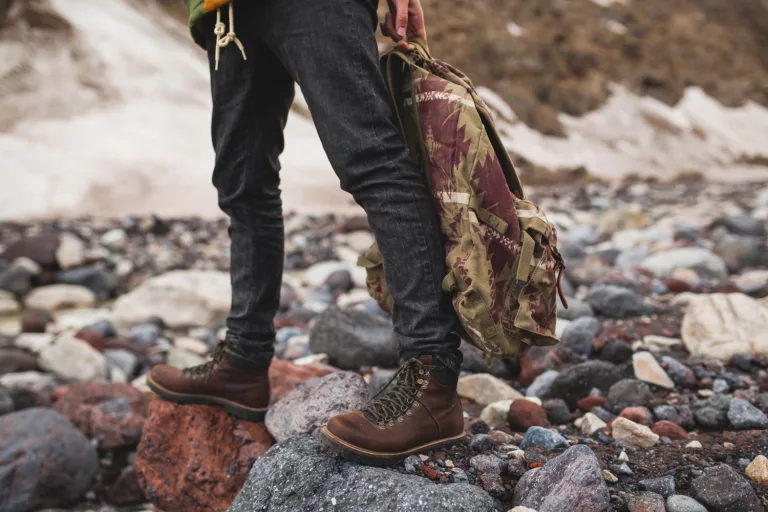
A great hike starts from the ground up. The wrong pair of shoes can leave you dealing with blisters, sore feet, or slipping on uneven terrain. These small issues can quickly turn a good day outdoors into a frustrating experience.
The right hiking shoes make a noticeable difference. You move with more confidence, stay comfortable for longer, and handle changing trail conditions without constantly thinking about your footing.
Backpacker's Pick
Best for moving fast and light on the trail
The best hiking gear helps you conquer the miles by stripping away unnecessary weight without sacrificing performance — an ultra-breathable technical shell, lightweight carbon trekking poles, or trail runners engineered for maximum traction on rugged terrain.
- Oakley Shop hiking gear at Oakley
- Mountain Hardwear Shop hiking gear at Mountain Hardwear
- Columbia Sportswear Shop hiking gear at Columbia Sportswear
- Sorel Shop hiking gear at Sorel
- Garmin Shop hiking gear at Garmin
In this guide, you will find a carefully selected range of hiking shoes suited to different needs. Some are built for lightweight comfort on easy trails, while others offer more support for rough terrain. You will also learn how to choose the right pair based on where and how you hike, so your next trip feels easier from the very first step.
Our Top Picks at a Glance
| Shoe | Best for | Price |
|---|---|---|
| Merrell Moab 3 | Best budget pick | $140 |
| Salomon X Ultra 5 GORE-TEX Low | Best overall | $175 |
| HOKA Anacapa 2 Low GTX | Most comfortable | $180 |
| KEEN Targhee IV Waterproof | Best for wide feet | $170 |
| Oboz Katabatic LT Low GORE-TEX | Best lightweight waterproof | $190 |
| Merrell Moab 3 Waterproof | Best waterproof value | $160 |
1. Merrell Moab 3 Hiking Shoes - Best Budget Pick
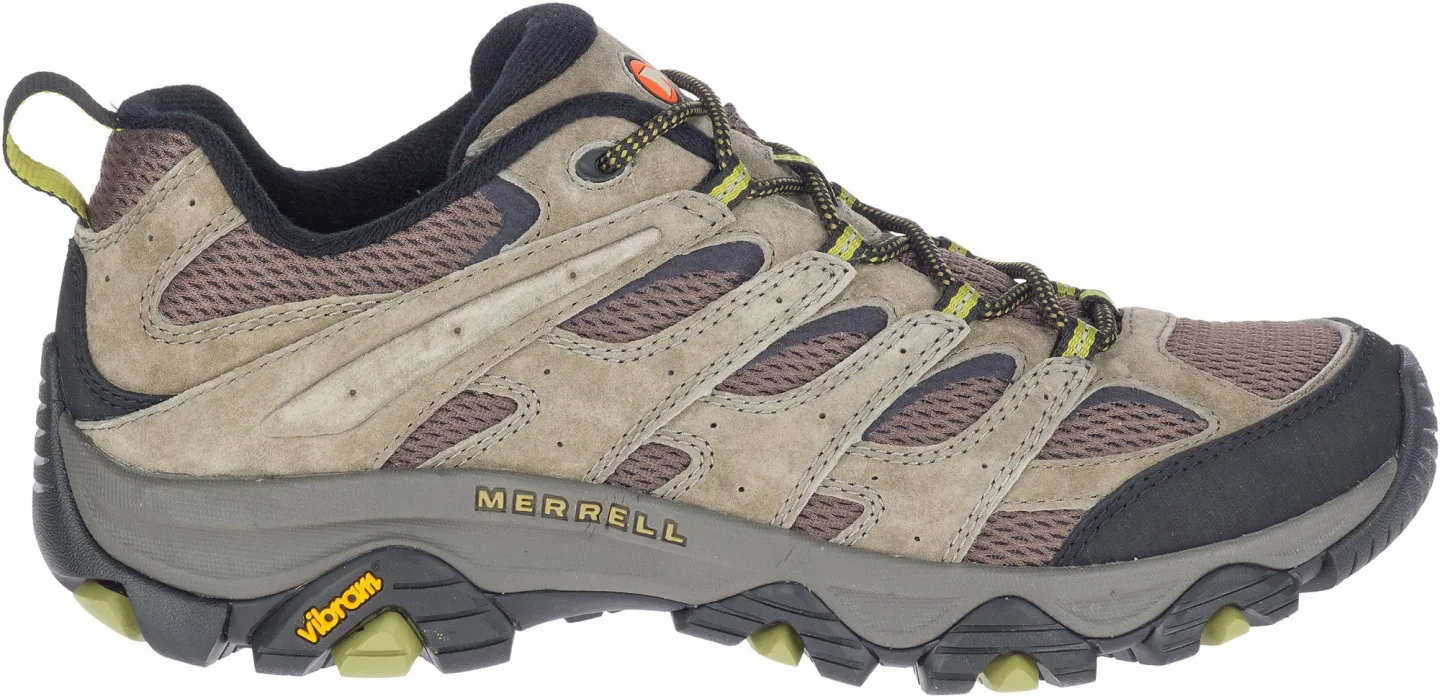
The Merrell Moab 3 is a dependable choice for hikers who want comfort and stability without going into premium pricing. It is designed for everyday trail use, offering a solid balance between cushioning, grip, and durability.
This shoe works especially well for casual hikes and mixed terrain, where you need reliable traction and support but do not require a highly technical or aggressive design.
Key Features
- Durable leather and mesh upper that balances airflow and protection
- Grippy outsole that performs well on dirt, gravel, and uneven ground
- Cushioned midsole that reduces impact on longer walks
- Reinforced toe area for added protection on rocky trails
- Stable base that helps maintain balance on mixed terrain
Performance overview
Comfort 4.5/5
Support & Stability 4/5
Traction 4/5
Durability 3.5/5
Foot Protection 3.5/5
Sustainability 1.8/5
✔ Pros
- Comfortable right out of the box
- Reliable grip on most trail surfaces
- Great value for the price
- Stable and supportive for everyday hiking
✖ Cons
- Not waterproof
- Heavier than lightweight hiking models
- Not ideal for highly technical terrain
Best Use Case
This shoe is best suited for beginners and casual hikers who want a reliable option for regular trail use. It performs well on dry paths, forest trails, and moderate terrain where comfort and grip matter more than advanced technical features. This type of shoe is ideal for beginners who are still learning how to prepare for a hiking trip and build their gear setup.
2. Salomon X Ultra 5 GORE-TEX Low - Best Overall
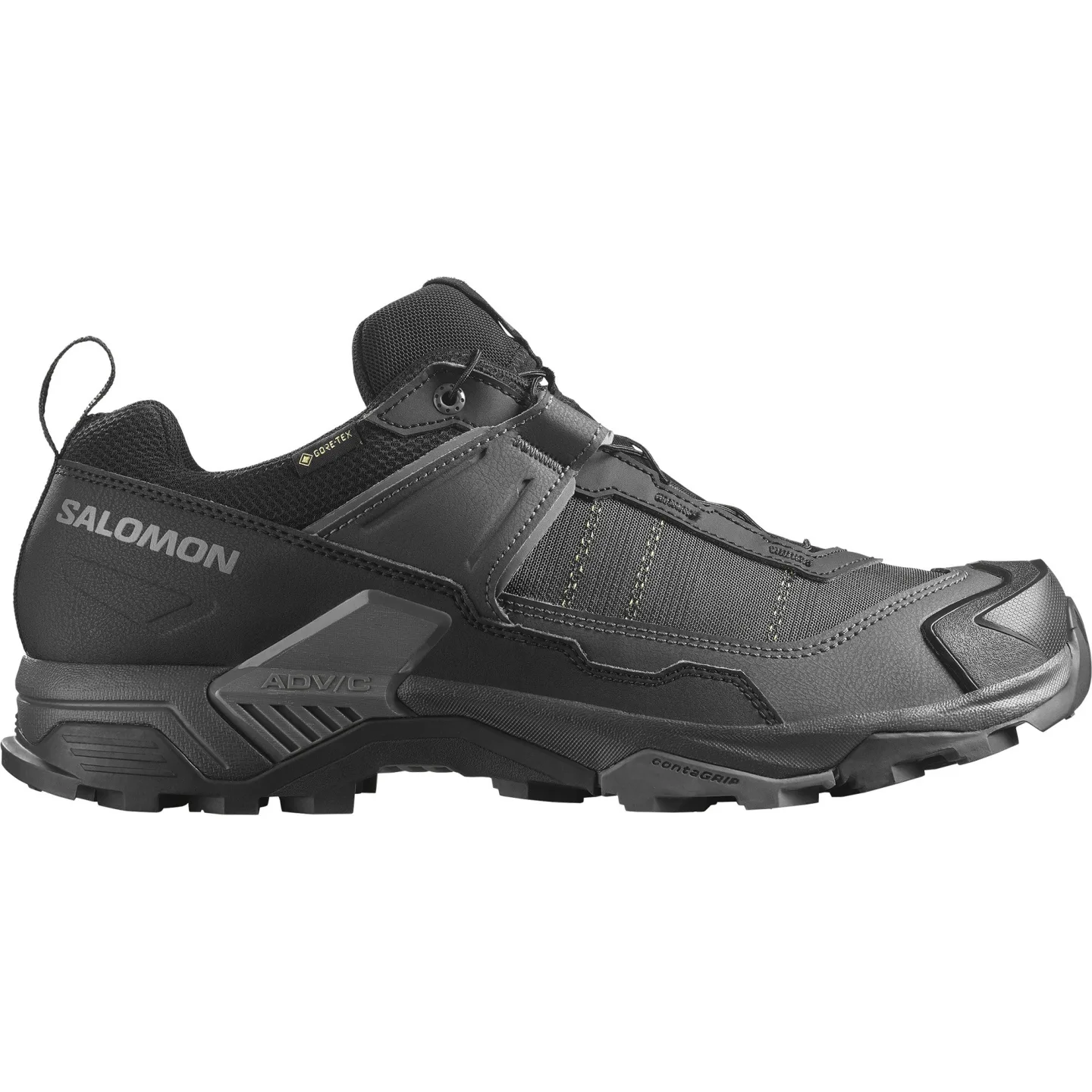
The Salomon X Ultra 5 GORE-TEX is built for hikers who want a balance between agility and stability. It feels lighter and more responsive than traditional hiking shoes, while still offering enough support for uneven and challenging terrain.
This model stands out for its grip and secure fit, making it a strong option for both uphill climbs and descents. It is especially suited for hikers who move fast and want a shoe that keeps up without feeling bulky.
Key Features
- Lightweight construction that improves speed and agility on the trail
- Waterproof membrane that helps keep feet dry in wet conditions
- Advanced chassis system designed to improve lateral stability
- Secure fit system that wraps the foot for better control
- High-performance outsole built for grip on both wet and dry terrain
- Reinforced upper materials for abrasion resistance
Performance overview
Comfort 4.5/5
Support and stability 4/5
Traction 4.5/5
Durability 3.5/5
Foot protection 3.5/5
Sustainability 2/5
✔ Pros
- Strong traction across a wide range of surfaces
- Lightweight feel compared to many hiking shoes
- Secure and stable fit on uneven terrain
- Waterproof without feeling overly heavy
✖ Cons
- Narrow fit may not suit wider feet
- Durability is good but not the strongest in this category
- Less cushioning compared to comfort-focused models
Best Use Case
This is a great option for hikers who prioritize grip, stability, and responsiveness. It performs especially well on mixed or technical terrain where footing matters more than cushioning. If you are looking for one of the best options when it comes to traction and control, this shoe is a strong all-around performer.
3. Hoka Anacapa 2 Low GTX - Most Comfortable
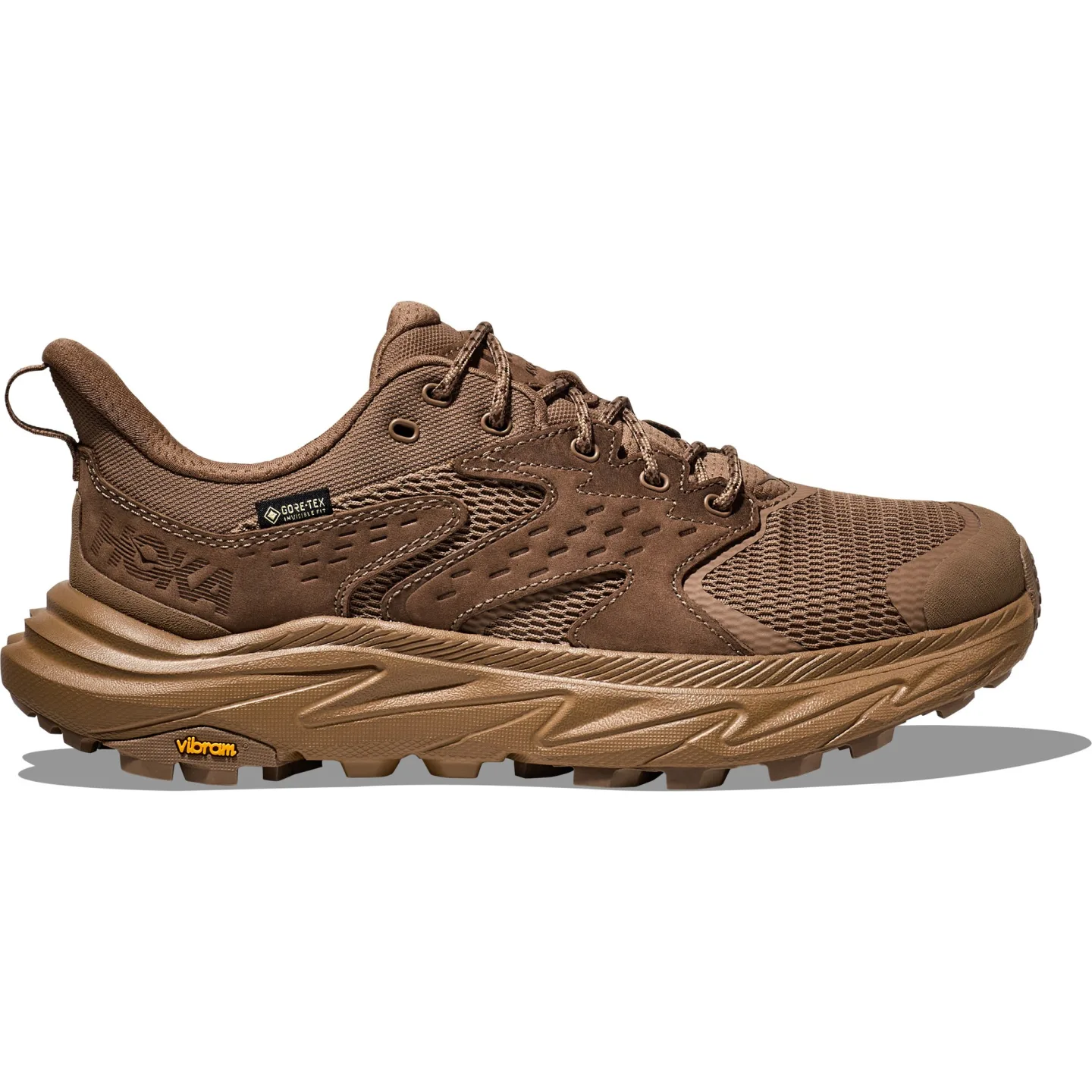
The Hoka Anacapa 2 Low GTX is built for hikers who prioritize comfort above everything else. It delivers a soft and cushioned feel underfoot, making long walks and extended hikes noticeably easier on your feet.
This shoe blends trail performance with everyday versatility. It can handle moderate hikes while still feeling comfortable enough for travel or all-day walking. It also stands out for using more environmentally conscious materials compared to many other hiking shoes.
Key Features
- Cushioned midsole designed to reduce impact during long hikes
- Waterproof construction suitable for wet conditions
- Vibram outsole built for reliable grip on mixed terrain
- Upper made with a combination of recycled materials and leather
- Protective toe area for added durability on rough trails
- Lightweight feel for a shoe in this category
Performance overview
Comfort 5/5
Support and stability 4/5
Traction 4/5
Durability 3.5/5
Foot protection 3.5/5
Sustainability 4/5
✔ Pros
- Very comfortable for long distances and all-day wear
- Good balance between hiking performance and everyday use
- Waterproof protection without feeling too stiff
- More sustainable materials compared to many alternatives
✖ Cons
- Not as precise or responsive on technical terrain
- Bulkier feel compared to lightweight hiking shoes
- Some design elements may take time to get used to
Best Use Case
This shoe is ideal for hikers who want maximum comfort on longer trails, travel, or mixed use. It works especially well for moderate terrain and extended walking days where reducing foot fatigue is more important than aggressive grip or technical precision. For longer outings, pairing comfort-focused shoes with the right gear like the best hiking gadgets can improve both safety and convenience.
4. Keen Targhee IV Waterproof - Best for Wide Feet
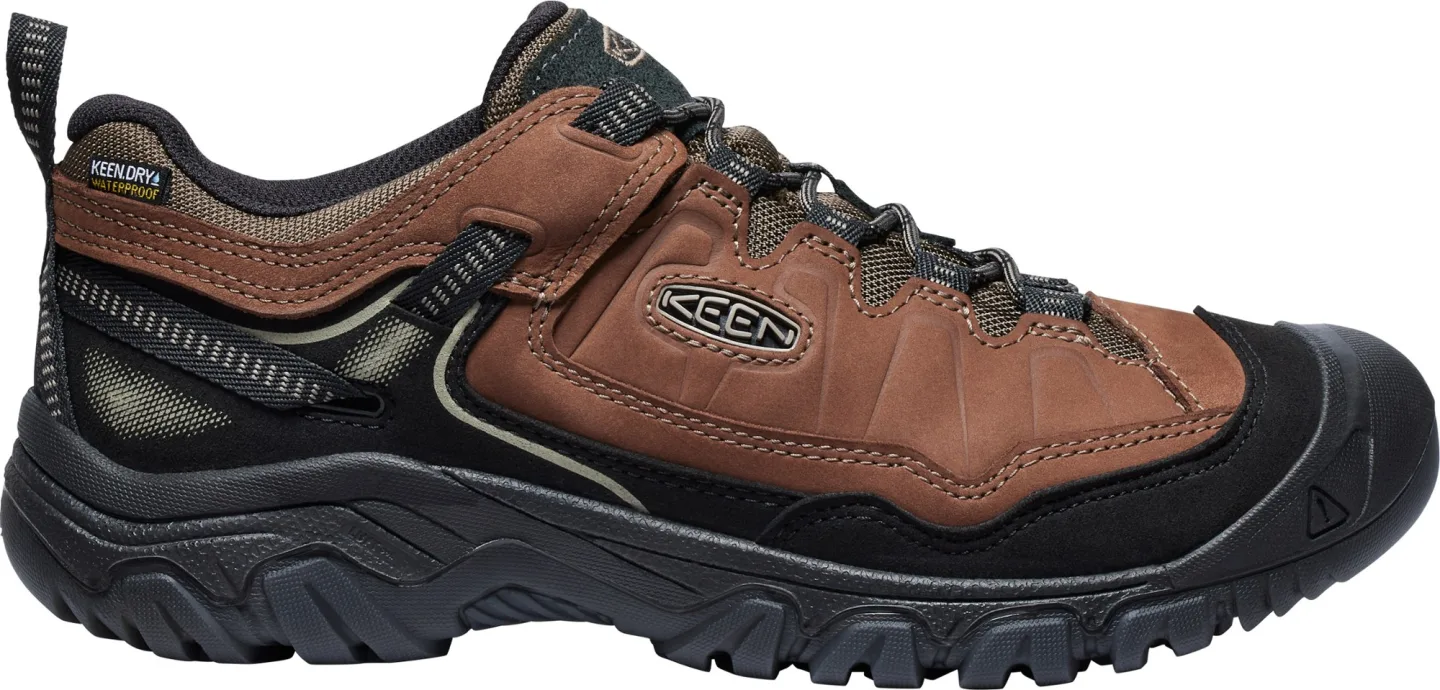
The Keen Targhee IV Waterproof is designed for hikers who need more space and comfort, especially in the forefoot area. It stands out with a roomier fit compared to most hiking shoes, making it a reliable option for those who struggle with narrow designs.
This model focuses on durability and support rather than lightweight performance. It feels solid underfoot and is built to handle longer hikes and rougher terrain, while still offering all-weather protection.
Key Features
- Waterproof construction designed for wet and unpredictable conditions
- Wide toe box that allows natural toe movement and reduces pressure
- Durable leather upper that adds protection and structure
- Cushioning system designed for long-lasting comfort
- Reinforced outsole built for grip and durability on uneven terrain
- Eco-conscious materials and construction approach
Performance overview
Comfort 4.5/5
Support and stability 4/5
Traction 4/5
Durability 4/5
Foot protection 4/5
Sustainability 3/5
✔ Pros
- Excellent fit for wider feet
- Durable build that holds up on rough terrain
- Good support for longer hikes
- Reliable waterproof protection
✖ Cons
- Heavier than many modern hiking shoes
- Less breathable due to waterproof construction
- Cushioning may feel firm for some users
Best Use Case
This shoe is ideal for hikers who need extra room in the toe area and want a stable, durable option for longer or more demanding hikes. It performs best on mixed and rugged terrain where support and protection matter more than lightweight speed.
5. Oboz Katabatic LT Low Gore-Tex - Best Lightweight Waterproof
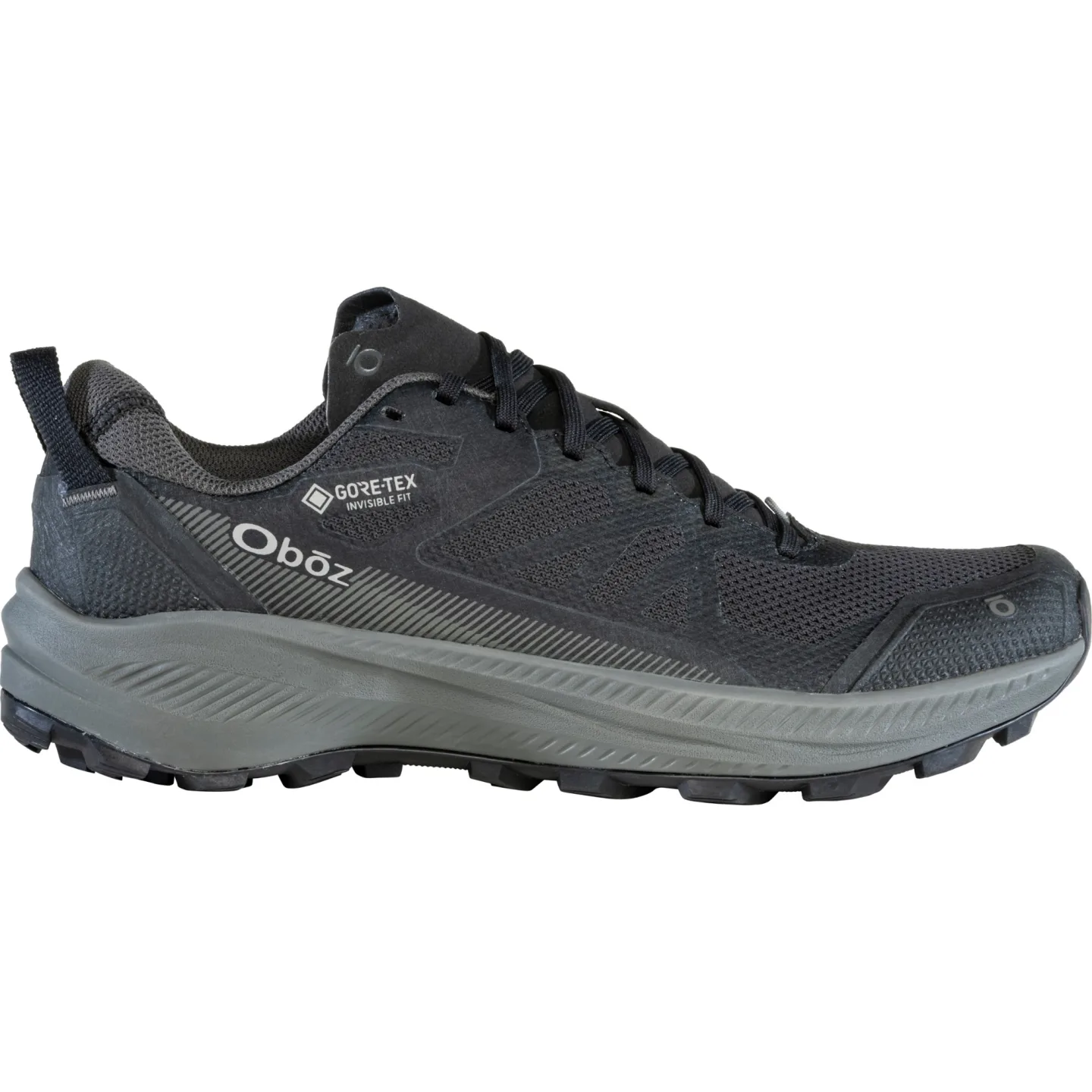
The Oboz Katabatic LT Low Gore-Tex is built for hikers who want a lightweight shoe without sacrificing protection. It is noticeably lighter than most waterproof hiking shoes, making it a strong option for faster hikes and longer days on the trail.
This model focuses on efficiency and movement. It feels more athletic than traditional hiking shoes, while still offering enough support and protection for uneven terrain. It is designed to handle wet conditions while staying breathable and comfortable.
Key Features
Performance overview
Comfort 4/5
Support and stability 4/5
Traction 4.5/5
Durability 3.5/5
Foot protection 4/5
Sustainability 4/5
✔ Pros
- Very lightweight for a waterproof hiking shoe
- Strong traction on both dry and wet trails
- Good balance between flexibility and support
- Comfortable for long hikes and active movement
✖ Cons
- Fit may feel narrow for some users
- Durability is good but not the most rugged option
- Cushioning may feel firmer compared to comfort-focused models
Best Use Case
This shoe is ideal for hikers who want a lightweight, waterproof option for faster-paced hikes or long distances. It performs best on mixed terrain where traction and agility matter, while still providing enough protection for uneven trails.
6. Merrell Moab 3 Waterproof - Best Waterproof Value
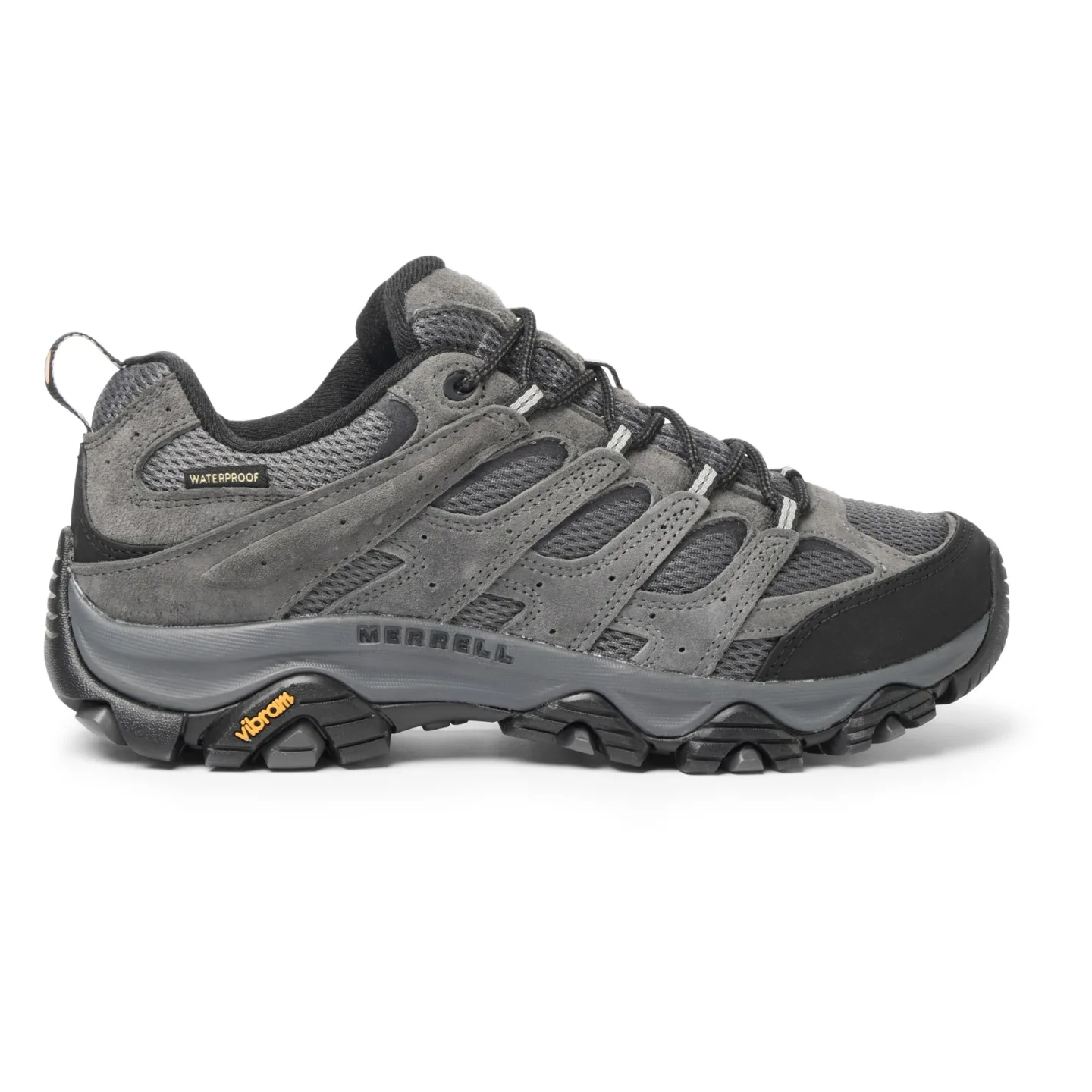
The Merrell Moab 3 Waterproof is a practical choice for hikers who want reliable waterproof protection without moving into higher price ranges. It builds on the comfort and versatility of the standard Moab model, while adding protection for wet and unpredictable conditions.
This shoe is designed to handle a wide range of environments, from damp forest trails to light rain and muddy paths. It offers a stable and familiar feel, making it a dependable option for both beginners and regular hikers.
Key Features
- Waterproof construction designed to keep feet dry in wet conditions
- Durable upper combining leather and mesh for structure and breathability
- Cushioned midsole that helps reduce impact on longer hikes
- Grippy outsole built for reliable traction on varied terrain
- Protective toe and heel areas for added durability
- Supportive design that works well on uneven surfaces
- Use of recycled materials in parts of the construction
Performance overview
Comfort 4.5/5
Support and stability 4/5
Traction 4/5
Durability 4/5
Foot protection 4/5
Sustainability 3/5
✔ Pros
- Strong value for a waterproof hiking shoe
- Comfortable for extended wear
- Reliable traction on most trail types
- Durable and supportive design
✖ Cons
- Heavier than lightweight hiking shoes
- Breathability is lower compared to non-waterproof models
- Not ideal for fast or highly technical hiking
Best Use Case
This shoe is best suited for hikers who want dependable waterproof protection at a reasonable price. It works well for day hikes, mixed terrain, and wet conditions where staying dry is important without needing a premium or highly technical shoe.
How We Selected These Hiking Shoes
Choosing the best hiking shoes is not just about looking at specs or brand names. The goal was to find models that perform well in real hiking conditions and cover different needs, from casual day hikes to more demanding terrain.
To keep this guide practical and useful, each shoe was evaluated based on a combination of comfort, performance, and overall value.
Quick overview





Real World Performance
Every shoe on this list was evaluated based on how it actually performs on the trail, not just on paper. We looked at traction on wet and dry surfaces, stability on uneven terrain, responsiveness on technical climbs, and overall comfort over long distances. A shoe that looks impressive in a lab but falls apart on a rocky descent did not make the cut.
Construction and Materials
We assessed upper materials, midsole compounds, outsole rubber quality, and waterproofing technology. Shoes built with proven materials like Vibram outsoles, GORE-TEX membranes, and reinforced overlays scored higher because they consistently deliver better results over time and across varied conditions.
Fit and Foot Support
A great hiking shoe has to fit well across a range of foot shapes. We prioritized shoes that offer reliable sizing, adequate toe box room, and strong heel lockdown. Options with wide width availability were given additional credit for accessibility.
Brand Reputation and User Feedback
Alongside our own evaluation criteria, we cross referenced thousands of verified buyer reviews on REI and consulted widely respected outdoor gear publications to ensure our picks reflect real hiker experiences, not just technical specifications.
How to Choose the Best Hiking Shoes
Choosing the right hiking shoes depends on how and where you plan to hike. There is no single option that works for everyone, so understanding the key differences can help you avoid discomfort and make a better long-term choice.
Trail Type Matters More Than You Think
Not all trails are the same, and your shoes should match the terrain.
For simple day hikes on well-maintained paths, lightweight shoes with basic grip are usually enough. If you plan to hike on rocky or uneven terrain, you will need something with better traction and more protection. For muddy or wet trails, shoes with deeper lugs and stronger grip become important. On mixed terrain, a balanced shoe that offers both flexibility and stability is usually the safest choice.
Fit, Comfort and Break-In Time
A good fit can make or break your hiking experience. Shoes that feel uncomfortable at the start are unlikely to improve much over time. Look for enough space in the toe area so your toes are not pressed together, especially when walking downhill. Your heel should feel secure without slipping, as this helps prevent blisters. Some hiking shoes are comfortable right away, while others may need a short break-in period. If possible, test them on shorter walks before taking them on longer hikes.
Waterproof vs Breathable
Waterproof shoes are useful if you hike in wet conditions, cross streams, or deal with muddy terrain. They help keep your feet dry, which is important for comfort on longer hikes. However, waterproof shoes are usually less breathable. In hot weather, this can lead to more heat and moisture inside the shoe. If you mostly hike in dry or warm conditions, a breathable shoe may feel more comfortable overall.
Weight and Flexibility
Lightweight hiking shoes are easier to move in and reduce fatigue over long distances. They are a good choice for faster hikes or travel. Heavier shoes tend to offer more support and protection, which can be helpful on rough terrain or when carrying extra weight.
The best choice depends on your hiking style. If you prefer speed and comfort, go lighter. If you need stability and protection, a more structured shoe will be better.
Grip and Outsole Performance
Grip is one of the most important features in any hiking shoe. A good outsole helps you stay stable on loose dirt, wet rocks, and uneven ground. Look for shoes with well-designed lugs that provide traction in multiple directions. This helps with both climbing and descending.
If you are unsure what are the best traction shoes for hiking, focus on models known for consistent grip across different surfaces rather than just brand reputation.
Frequently Asked Questions About Hiking Shoes
Are hiking shoes worth it?
Yes, hiking shoes are worth it if you spend time on trails. They provide better grip, support, and protection compared to regular sneakers, especially on uneven or slippery surfaces. Even for casual hikes, the added stability and comfort can make a noticeable difference. If you are planning longer trips or more challenging terrain, having proper hiking shoes becomes even more important.
How long do hiking shoes last?
Most hiking shoes last between 500 and 800 kilometers, depending on how often you use them and the type of terrain. Rough and rocky trails will wear them down faster than smooth paths.
You may need to replace them sooner if you notice reduced grip, worn-out soles, or loss of cushioning. Regular use in wet conditions can also affect their lifespan over time.
Can I use trail running shoes for hiking?
Yes, trail running shoes can be used for hiking, especially for shorter or less technical trails. They are lightweight and comfortable, which makes them a good option for faster hikes. However, they usually offer less support and protection compared to hiking shoes. For rough terrain or longer hikes, dedicated hiking shoes are often the better choice.
Are hiking shoes better than hiking boots?
Hiking shoes and hiking boots serve different purposes. Hiking shoes are lighter, more flexible, and better suited to day hikes on moderate terrain where ankle mobility and comfort are priorities. Hiking boots offer more ankle support, greater protection, and better performance on rugged or heavily loaded backpacking trips. For most casual and intermediate hikers, a quality pair of hiking shoes is more than enough for the trails they tackle.