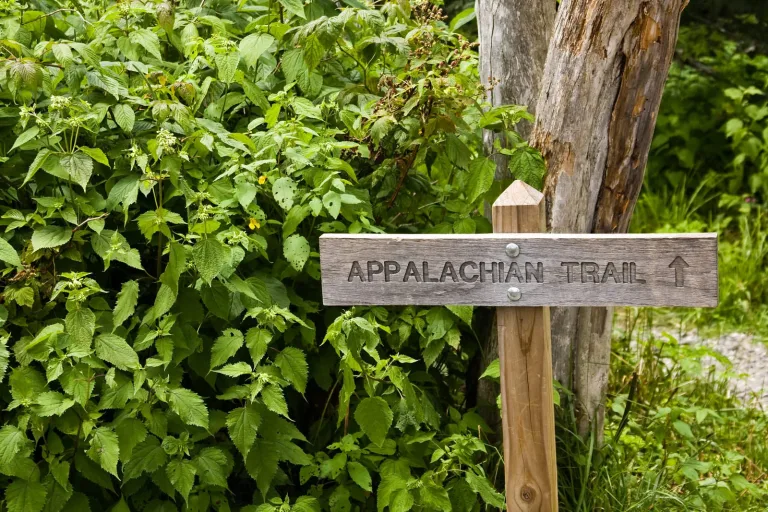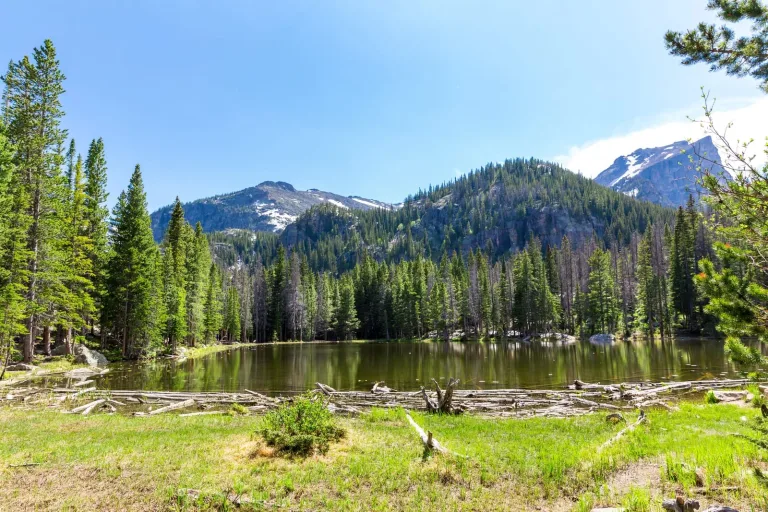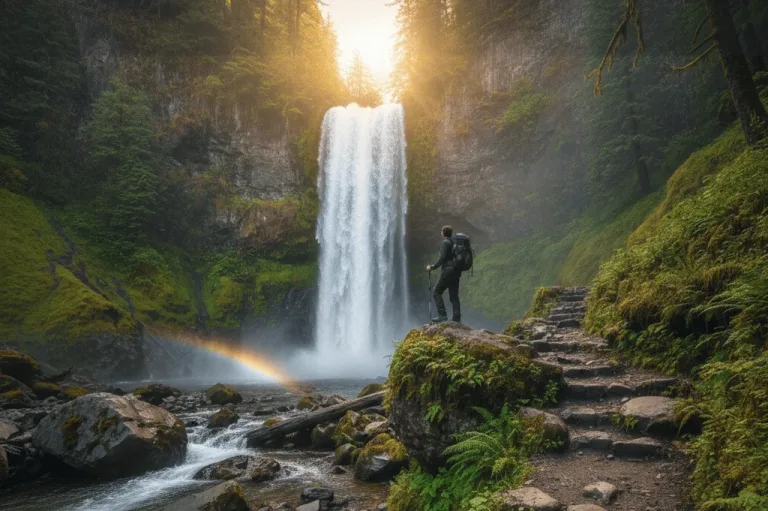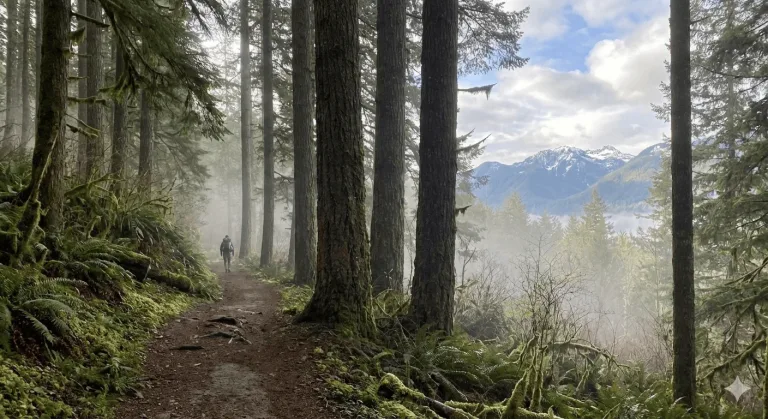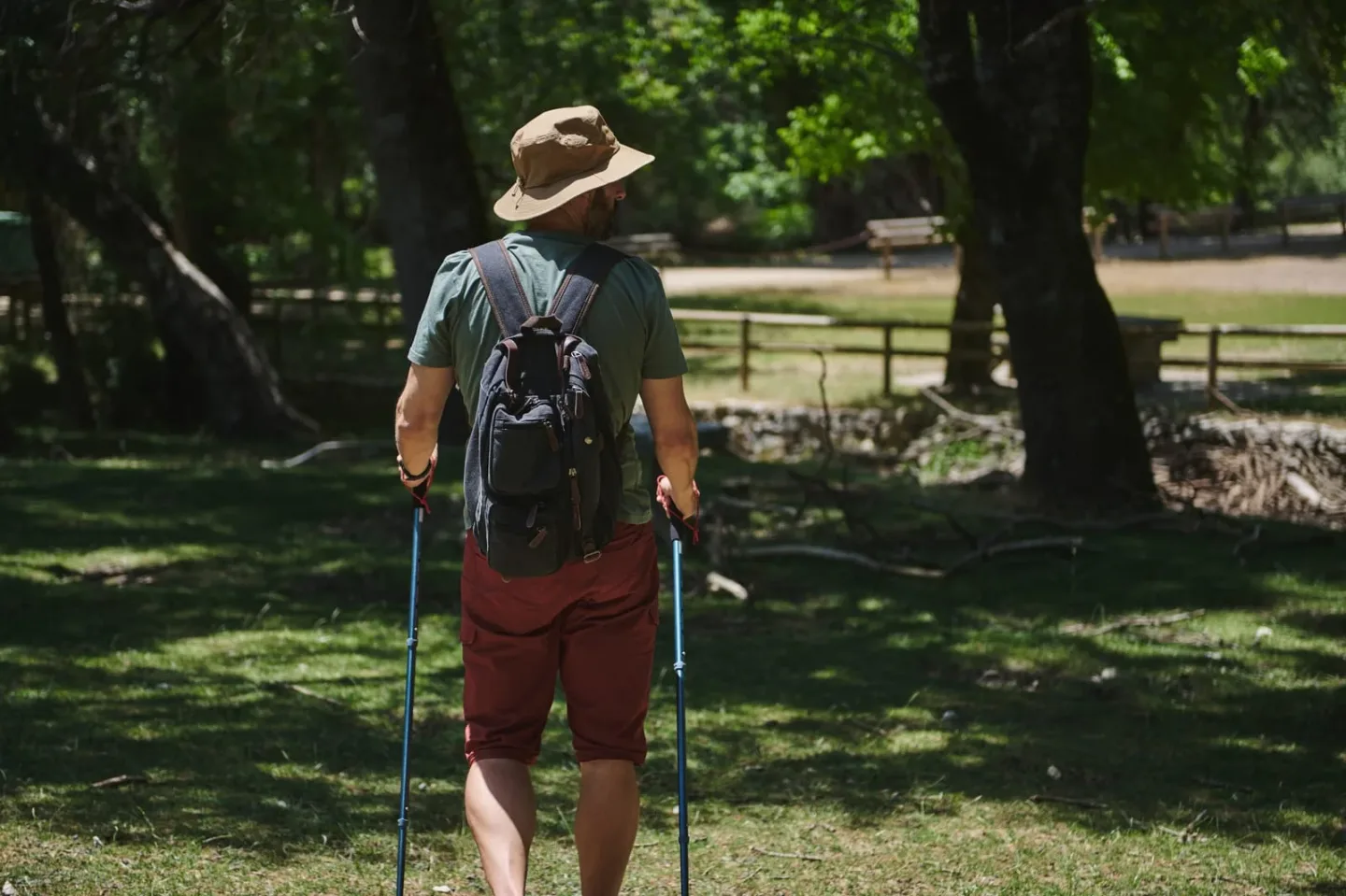
Not every outdoor experience needs to be a strenuous multi-day expedition. Some of the best time spent in nature happens on well-maintained paths through beautiful parks, where the pace is easy, the scenery does the work, and the only real requirement is a decent pair of shoes.
Parks with walking trails serve a wider audience than hiking destinations typically do. Families with young children, older adults, casual walkers, visitors who are new to outdoor activity, and experienced hikers looking for a lower-key day out all find what they need on a good park trail.
The variety is the point: walking trail parks range from manicured urban green spaces to raw national park paths that pass some of the most dramatic scenery on earth.
Why Parks with Walking Trails Are Worth Seeking Out
The appeal of park walking trails goes beyond aesthetics. The CDC notes that people with safe access to parks and trails tend to be significantly more physically active than those without it, and that trail users are more likely to meet physical activity recommendations than non-trail users. A 30-minute visit to a park can improve heart health and lower blood pressure, cholesterol, and blood glucose.
What makes walking trail parks genuinely enjoyable is the infrastructure behind them. A well-designed park trail offers:
- Clear signage so you always know where you are and how far you have gone
- Maintained surfaces that reduce trip hazards and make walking accessible at any fitness level
- Marked distances and time estimates to help you plan your day
- Rest spots at regular intervals, which matter far more than most people expect on longer routes
Good parks with walking trails are also designed around their best features: a lake, a canyon view, a forest, or a waterfall. The trail exists to take you to those things, which means the payoff is usually visible from the path rather than hidden at the end of a difficult climb.
10 Best Parks with Walking Trails Around the World
The ten parks below span different continents, climates, and terrain types. Before getting into each one in detail, here is a quick reference overview:
| Park | Country | Best Trail | Difficulty | Best Season |
| Central Park | USA | Reservoir Loop (1.58 mi) | Easy | Spring, Autumn |
| Yosemite Valley | USA | Valley Floor Loop (13 mi) | Easy/Moderate | May to June |
| Yellowstone | USA | Grand Prismatic boardwalk (0.5-2 mi) | Easy | June to September |
| Banff National Park | Canada | Johnston Canyon (5.1 mi) | Easy/Moderate | July to September |
| Zion National Park | USA | Riverside Walk (2.2 mi) | Easy | March to May |
| Plitvice Lakes | Croatia | Route A (2 mi loop) | Easy | April to June |
| Hyde Park and Kensington Gardens | UK | Serpentine circuit (6 mi) | Easy | Year-round |
| Golden Gate Park | USA | Panhandle to Ocean (4 mi) | Easy | April to October |
| Royal National Park | Australia | Bundeena to Marley Beach (5.5 mi) | Moderate | April to September |
| Killarney National Park | Ireland | Torc Waterfall walk (1.5 mi) | Easy | May to September |
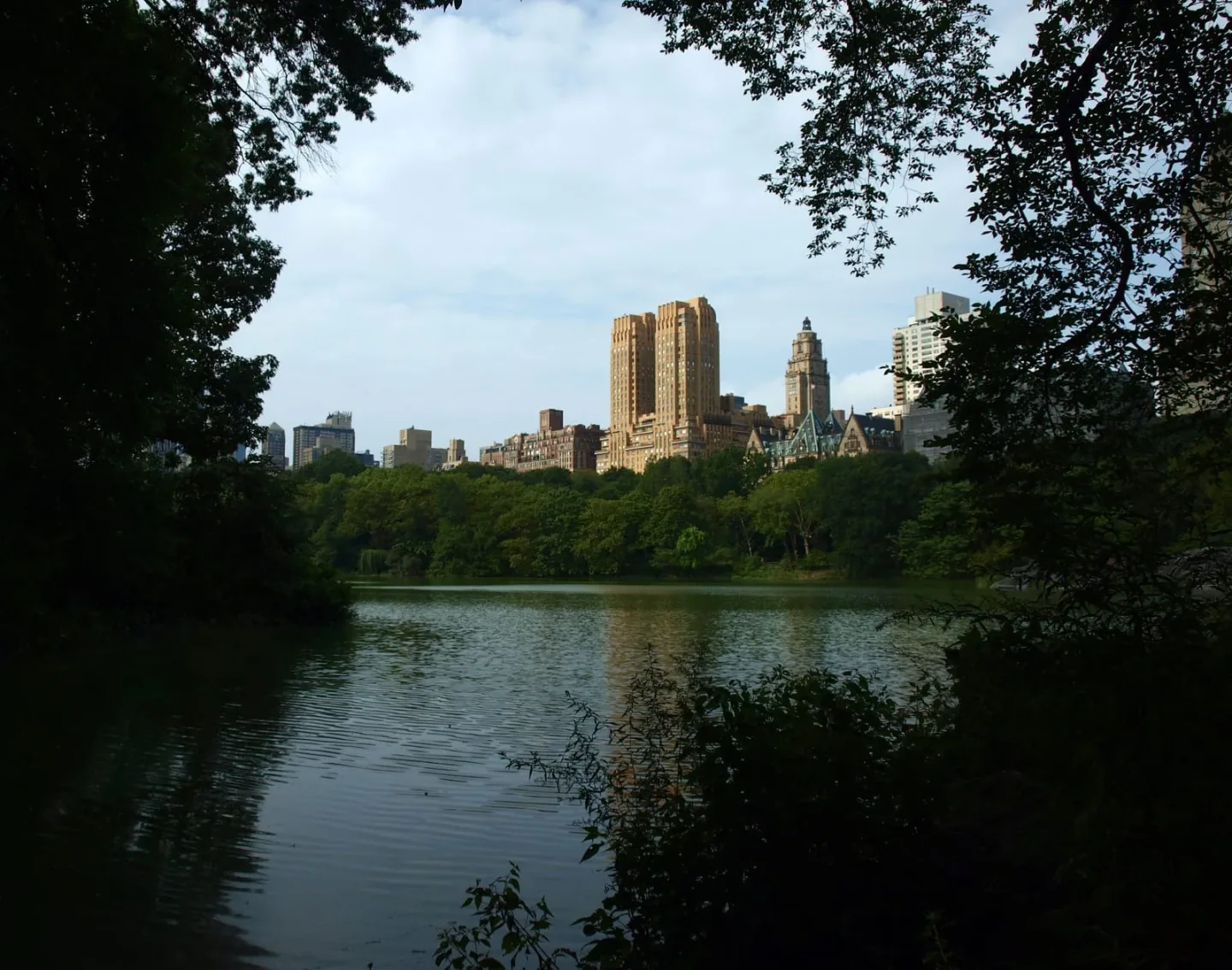
1. Central Park, New York, USA
- Location: Manhattan, New York City
- Trail distance and difficulty: Over 58 miles of paths; mostly flat and easy
- Scenic features: The Reservoir, Bethesda Terrace, The Ramble woodland, Bow Bridge
- Best time to visit: Spring (April to May) for cherry blossoms; autumn for foliage
Central Park receives around 42 million visitors annually, making it one of the most heavily used urban parks with walking trails anywhere in the world. But size works in its favour: over 840 acres means the trail network rarely feels as crowded as those numbers suggest.
The 1.58-mile Reservoir Loop is the most popular route, offering open water views in the heart of Manhattan. The Ramble, a 36-acre woodland in the center of the park, is where the city genuinely disappears. It is one of the best urban birdwatching spots on the East Coast and feels nothing like the park surrounding it. Trails are clearly marked, accessible year-round, and entirely free to use.
- Do not miss: Bow Bridge in early morning light before the crowds arrive.
2. Yosemite Valley, California, USA
- Location: Yosemite National Park, Sierra Nevada, California
- Trail distance and difficulty: Valley Floor Loop is 13 miles; mostly flat with some easy sections
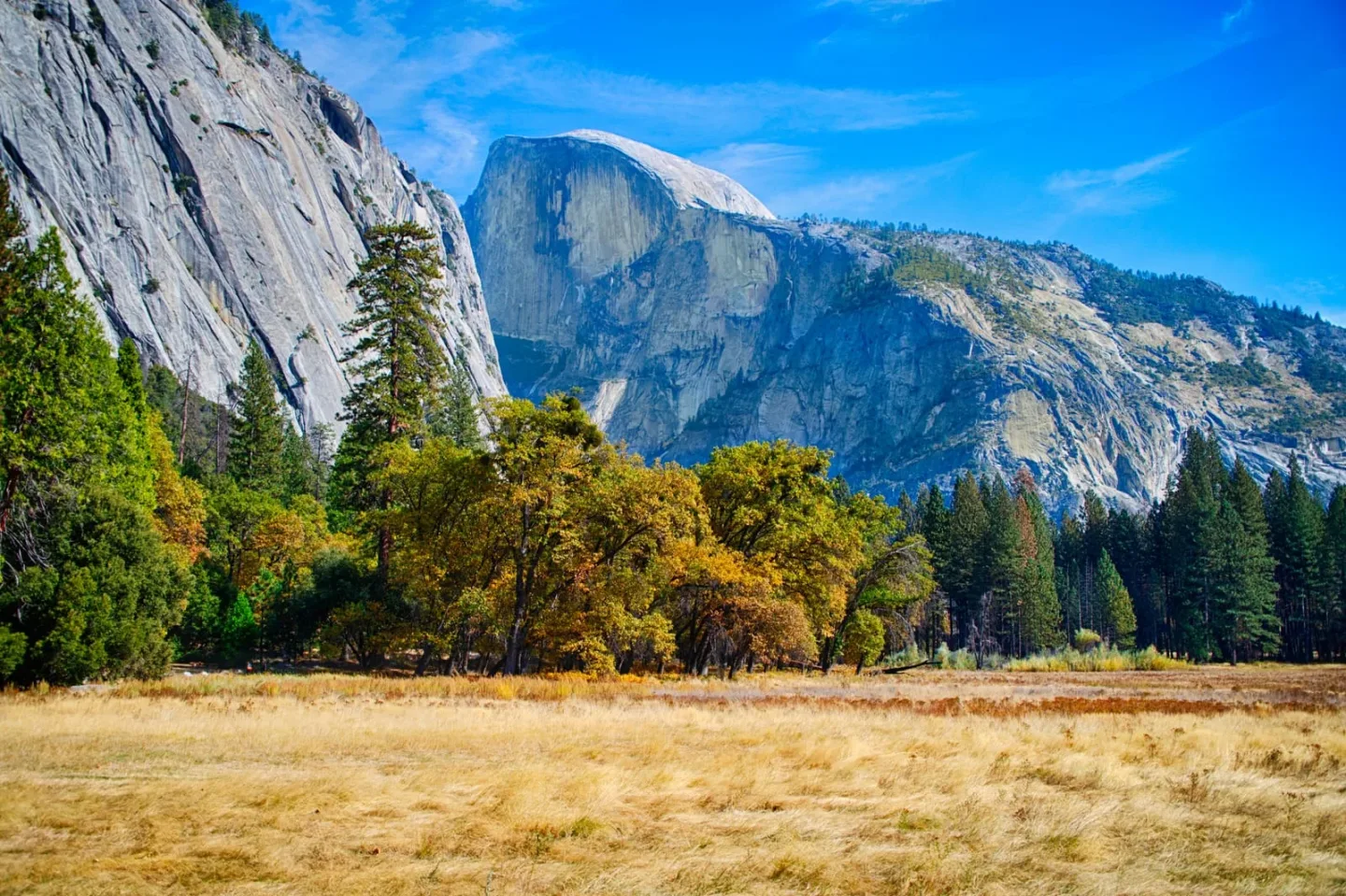
- Scenic features: El Capitan, Half Dome, Yosemite Falls, Mirror Lake
- Best time to visit: May to June for waterfalls at peak flow; September to October for smaller crowds
Yosemite Valley concentrates some of the most dramatic park walking trails in North America into a compact, accessible area. The Valley Floor Loop runs 13 miles and passes directly beneath El Capitan and Half Dome, two of the most recognisable rock formations on earth. Shorter spurs branch off to the base of Yosemite Falls and to Mirror Lake, which reflects the surrounding cliffs at its clearest in late spring.
Most valley floor paths are well-maintained and manageable for casual walkers. The dramatic vertical scenery does all the heavy lifting. Visit in May to June for waterfalls at full flow, or September to October when crowds thin out considerably.
- Do not miss: Mirror Lake at sunrise, when the water is still, and the reflection is at its clearest.
3. Yellowstone National Park, Wyoming, USA
- Location: Northwest Wyoming (extending into Montana and Idaho)
- Trail distance and difficulty: Boardwalk trails from 0.5 to 2 miles; flat and accessible
- Scenic features: Grand Prismatic Spring, Old Faithful, Mammoth Hot Springs terraces, Lamar Valley
- Best time to visit: June to September; roads and trails fully open
Yellowstone's park walking trails include some of the most unusual terrain found anywhere. The boardwalk loops around the Grand Prismatic Spring and the Norris Geyser Basin take walkers directly through an active geothermal field, with steam venting from the ground and vivid colour-banded hot springs on either side. These are flat, short, and genuinely unlike anything else on this list.
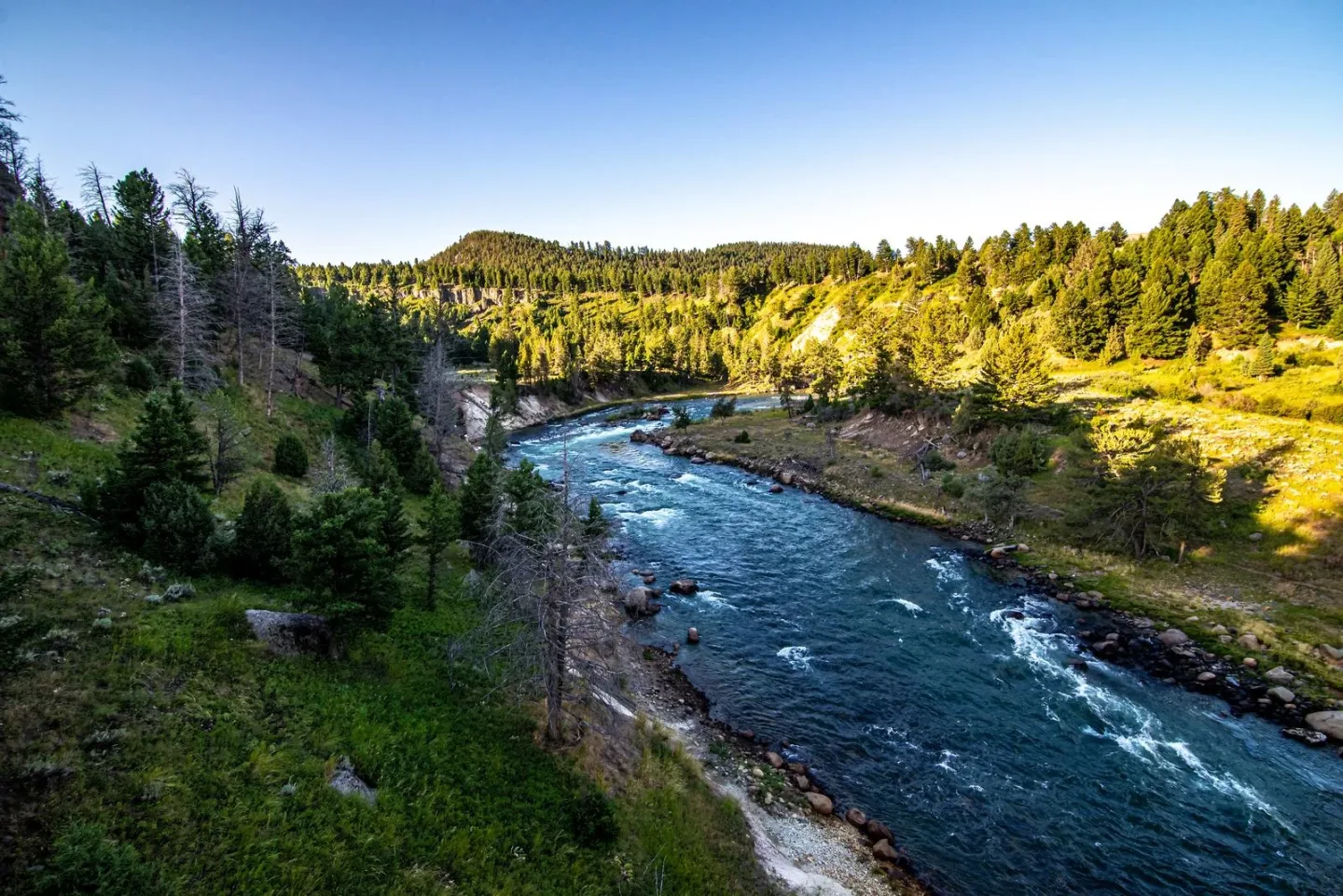
The longer trails in Lamar Valley shift the experience entirely: open grassland, a winding river, and more reliable wildlife sightings than almost anywhere else in the continental U.S. Bison are a near certainty; elk are common; wolves are possible.
- Do not miss: The Grand Prismatic Spring overlook trail, a short detour that finally explains why those aerial photographs look the way they do.
4. Banff National Park, Alberta, Canada
- Location: Rocky Mountains, Alberta
- Trail distance and difficulty: Johnston Canyon trail, 5.1 miles round trip; easy to moderate
- Scenic features: Johnston Canyon waterfalls, Moraine Lake, Lake Louise shoreline
- Best time to visit: July to September for clear trails; late September for the golden larch season
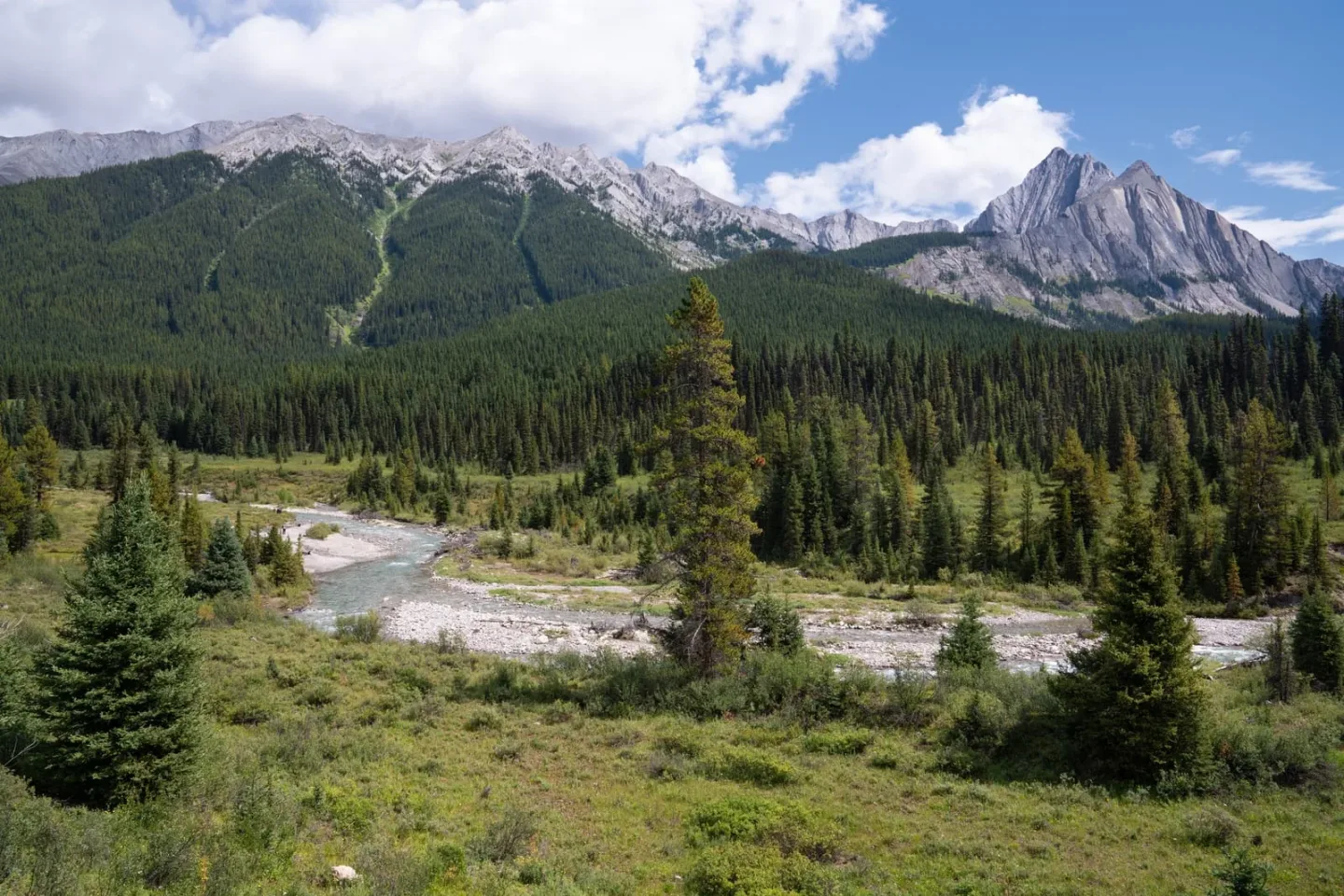
Banff contains some of Canada's most iconic walking park trails, and Johnston Canyon is the most accessible of them. A catwalk system bolted directly into the canyon walls leads walkers past the Lower and Upper Falls, with the canyon narrowing dramatically the further in you go. The full trail runs 5.1 miles return and sits comfortably in the easy-to-moderate range.
The Moraine Lake shoreline trail is shorter at just over 2 miles, but delivers the blue-green glacial lake view that has appeared on the Canadian twenty-dollar bill. Trails are well-signed and see heavy summer use. Early morning starts are strongly advisable from July onward.
- Do not miss: Moraine Lake at first light before the shuttle buses begin running.
5. Zion National Park, Utah, USA
- Location: Southwestern Utah
- Trail distance and difficulty: Riverside Walk 2.2 miles round trip; flat and paved
- Scenic features: Virgin River canyon walls, Weeping Rock, Court of the Patriarchs
- Best time to visit: March to May and September to November to avoid the summer heat
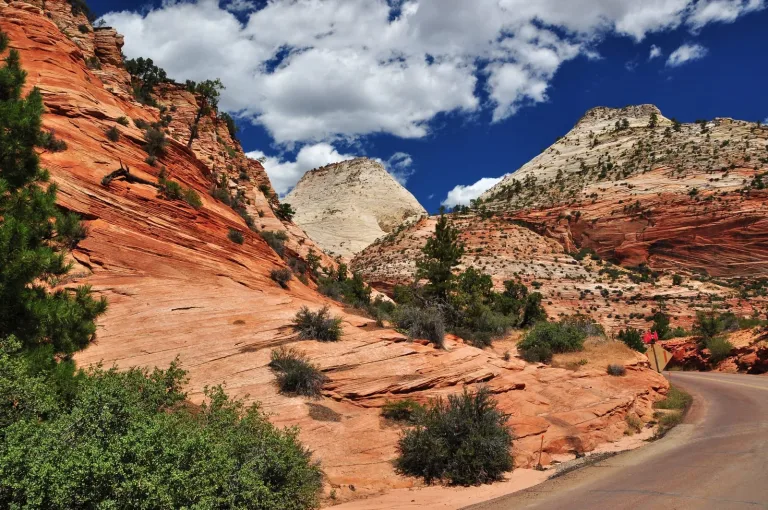
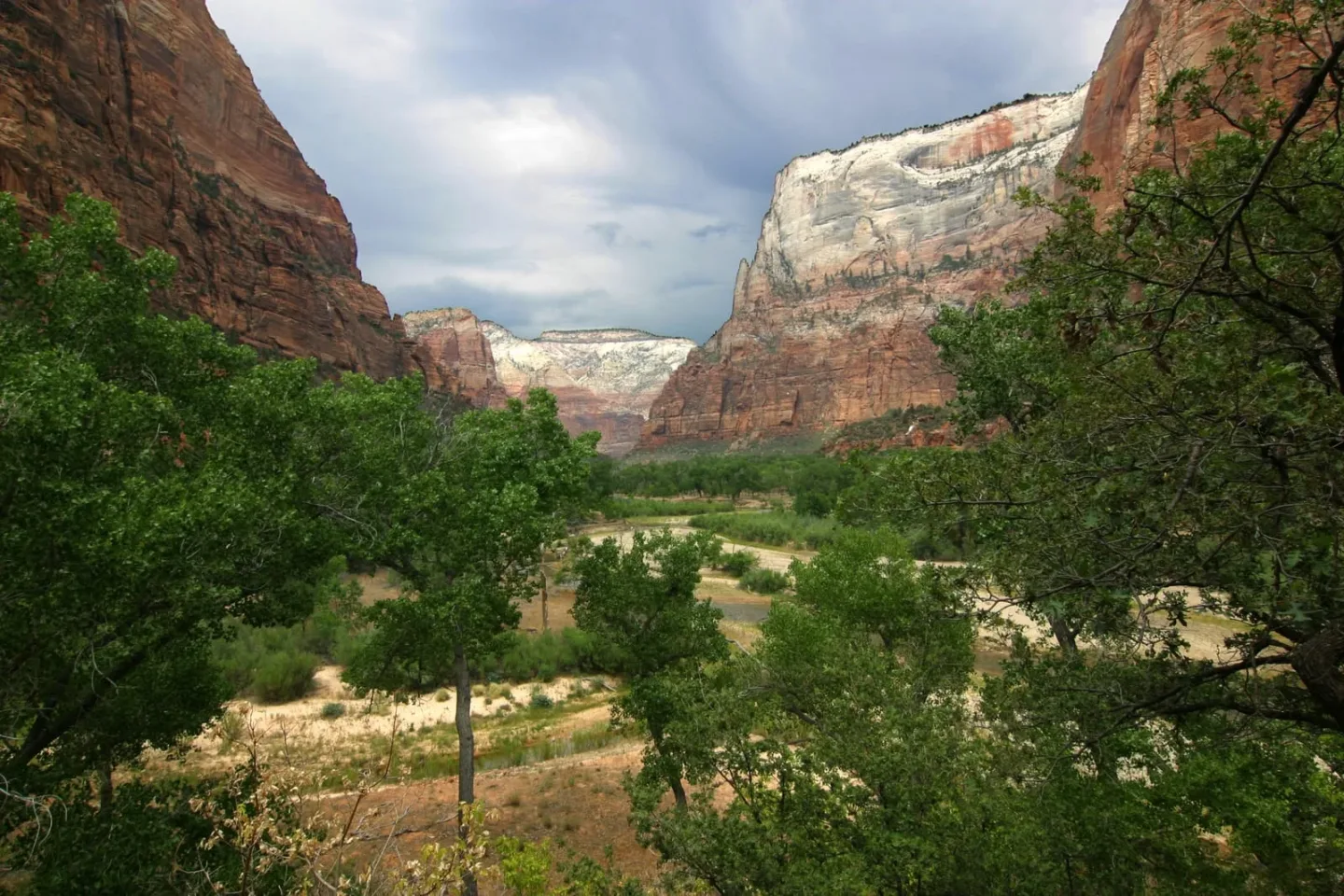
Zion's Riverside Walk is paved, flat, and 2.2 miles return. It follows the Virgin River through a narrowing canyon toward the entrance of the Narrows slot canyon, flanked on both sides by walls that rise over 2,000 feet. For the amount of scenery delivered per unit of effort, it is hard to beat among walking trail parks in the American Southwest.
The Pa'rus Trail runs along a different stretch of the river and offers wider views with access to several canyon overlooks. Both trails are well-maintained but busy. Visit from March to May or September to November for the most manageable crowds and temperatures.
- Do not miss: Weeping Rock, a short 0.4-mile trail to a hanging garden of ferns and wildflowers fed by natural spring seepage from the canyon wall.
6. Plitvice Lakes National Park, Croatia
- Location: Lika region, central Croatia
- Trail distance and difficulty: Route A (2-mile loop) to Route H (11 miles); mostly boardwalks and flat paths
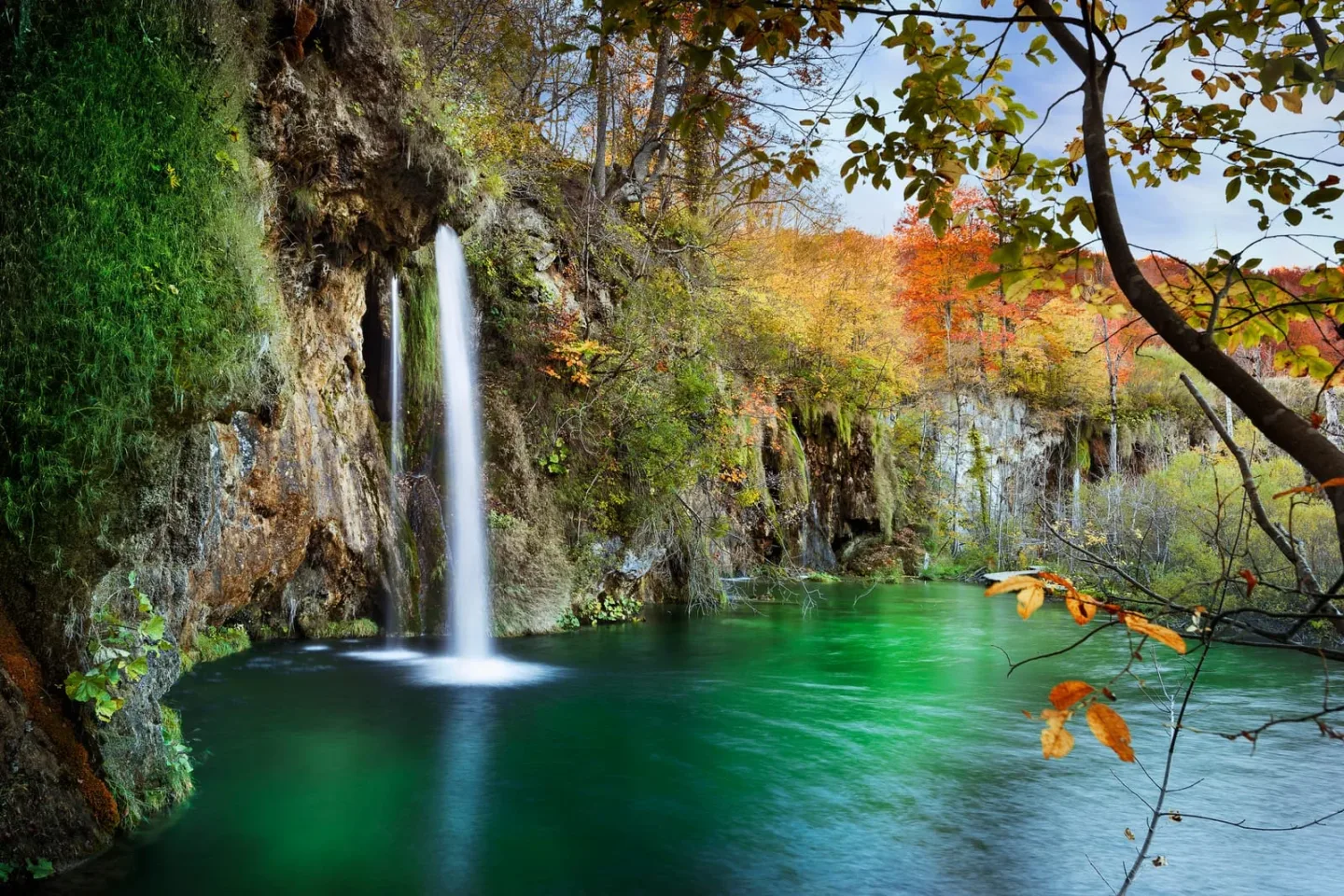
- Scenic features: 16 terraced lakes, over 90 waterfalls, dense beech and fir forest
- Best time to visit: April to June and September to October
Plitvice is a UNESCO World Heritage Site and one of the most visually distinctive walking trail parks in Europe. Most of the trail system consists of wooden boardwalks built over and alongside a series of 16 terraced lakes connected by over 90 waterfalls. Walkers move through the water rather than around it, which makes the experience feel completely different from a standard park trail.
Route A is a 2-mile loop covering the lower lakes and is manageable for most visitors in two to three hours. The park limits daily visitor numbers to protect the ecosystem, so advance booking is essential, particularly in summer.
- Do not miss: Veliki Slap, the tallest waterfall in Croatia at 78 metres, visible from several points along the lower trail.
7. Hyde Park and Kensington Gardens, London, UK
- Location: Central London, UK
- Trail distance and difficulty: Combined park circuit around 6 miles; entirely flat
- Scenic features: The Serpentine Lake, Italian Gardens, Diana Memorial Fountain, Round Pond
- Best time to visit: Year-round; spring for flowering trees, summer for outdoor events
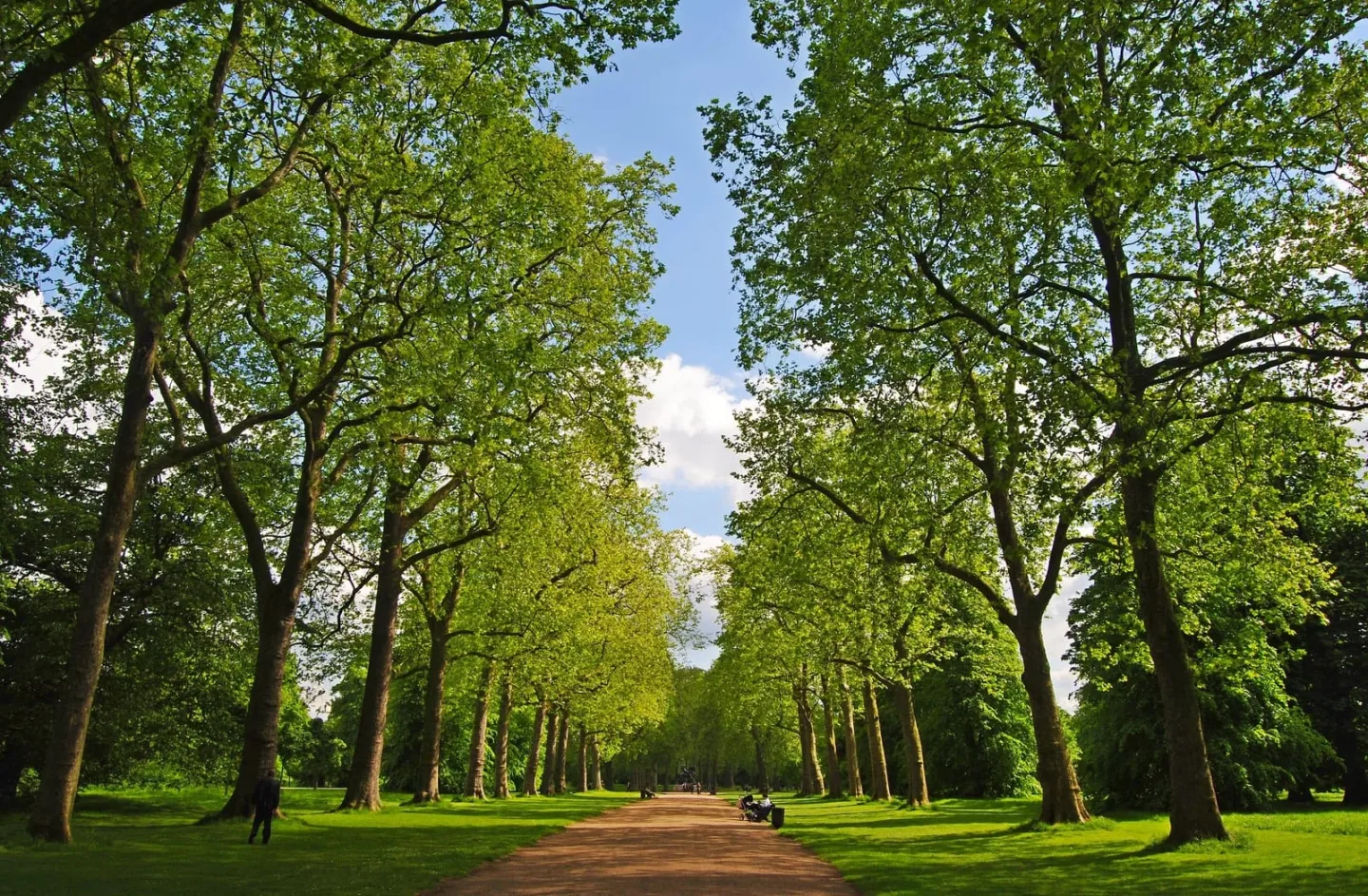
Hyde Park and the adjoining Kensington Gardens cover over 600 acres in central London and together form one of Europe's most extensive urban parks with walking trails. Both are free to enter and open every day of the year, which makes them genuinely useful rather than just scenic.
The Serpentine Lake divides the two parks, and its shoreline offers one of the most pleasant flat walks in any major city. The Italian Gardens at the north end and the formal flowerbeds near Kensington Palace add variety to routes of almost any length. The full combined circuit runs around 6 miles, but the parks are criss-crossed with enough informal paths to make any distance work.
- Do not miss: The Long Water at dusk, when the light on the water and the quiet are at their best.

8. Golden Gate Park, San Francisco, USA
- Location: San Francisco, California
- Trail distance and difficulty: Main Panhandle to ocean trail, approximately 4 miles; flat
- Scenic features: Japanese Tea Garden, Stow Lake, Dutch Windmills, Bison Paddock
- Best time to visit: April to October for the most reliable weather; summer mornings before afternoon fog
Golden Gate Park stretches three miles from the edge of the city to the Pacific Ocean and contains more varied walking park trails than most first-time visitors expect. The main route from the Panhandle entrance to the Great Highway passes through botanical gardens, past a working bison paddock that most people do not know exists, and ends at two restored Dutch windmills facing the ocean.
Stow Lake offers a quieter wooded loop with a small waterfall and a boathouse. The park's informal grid of paths makes it straightforward to create custom routes of almost any length. Visit on summer mornings before the afternoon fog rolls in from the coast.
- Do not miss: The bison paddock near the western end of the park, which has been home to a small herd since 1891.
9. Royal National Park, New South Wales, Australia
- Location: 30 km south of Sydney, New South Wales
- Trail distance and difficulty: Coast Track 26 miles total; moderate with some elevation
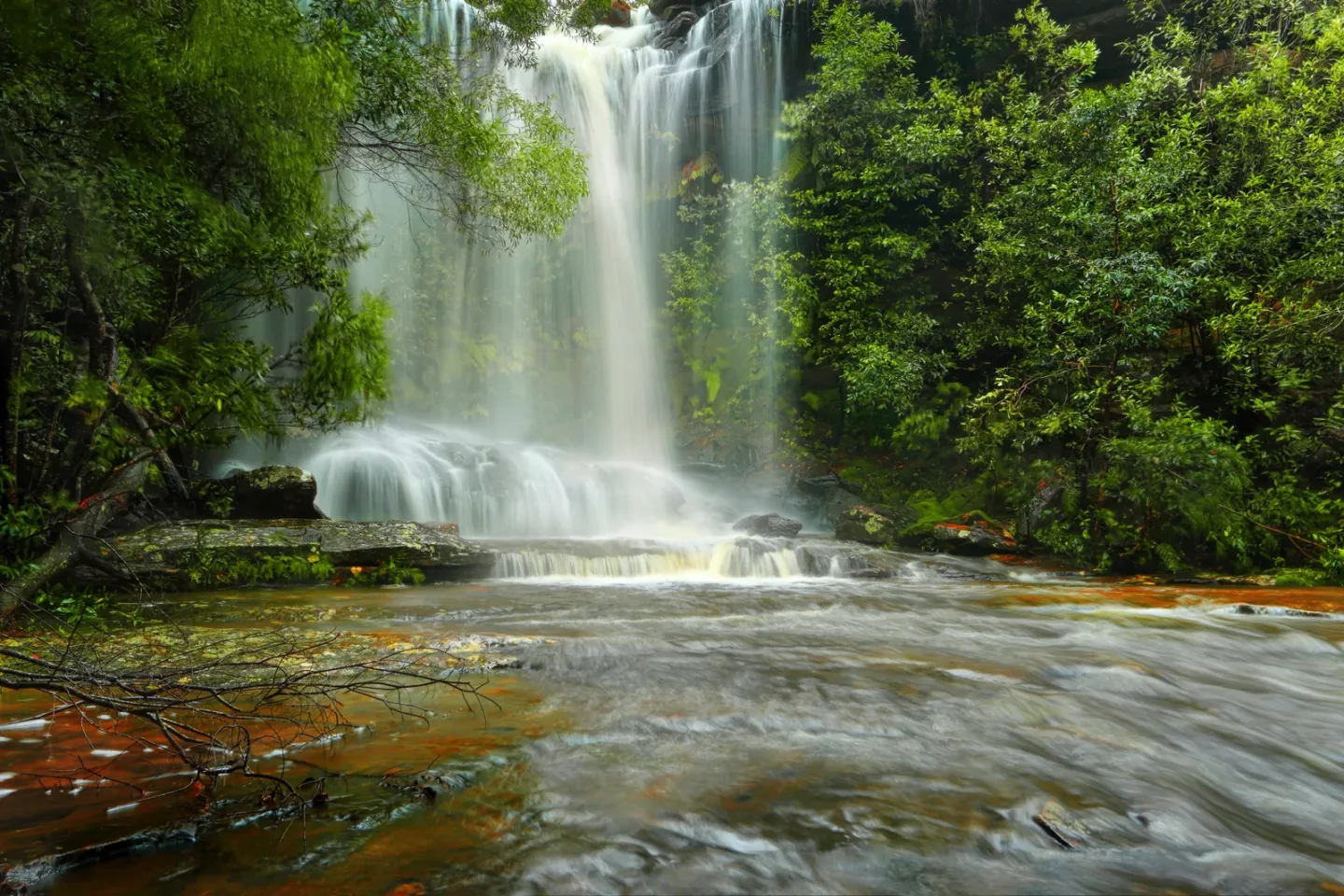
- Scenic features: Sea cliffs, coastal heathland, waterfall beaches, Aboriginal engravings
- Best time to visit: April to September for mild temperatures and wildflower blooms
Established in 1879, the Royal National Park is the second-oldest national park in the world. Its Coast Track is the headline route: a two-day walk along sea cliffs with access to beaches reachable only on foot. For day visitors, the Bundeena to Marley Beach walk (5.5 miles return) delivers the same cliff-top scenery and isolated beach access in a manageable timeframe.
The park also contains significant Aboriginal rock engravings accessible via short signed walking trails from the main road, which add a cultural dimension not found on most park walking trails. Visit between April and September for mild temperatures and wildflower blooms.
- Do not miss: Marley Beach at the end of the Bundeena walk, a remote beach that few visitors outside the local area ever reach.
10. Killarney National Park, County Kerry, Ireland
- Location: County Kerry, southwest Ireland
- Trail distance and difficulty: Old Kenmare Road 14 miles; moderate. Torc Waterfall walk 1.5 miles; easy
- Scenic features: Lakes of Killarney, MacGillycuddy's Reeks mountain backdrop, Torc Waterfall, Muckross House
- Best time to visit: May to September; late May for rhododendron bloom (invasive but spectacular)
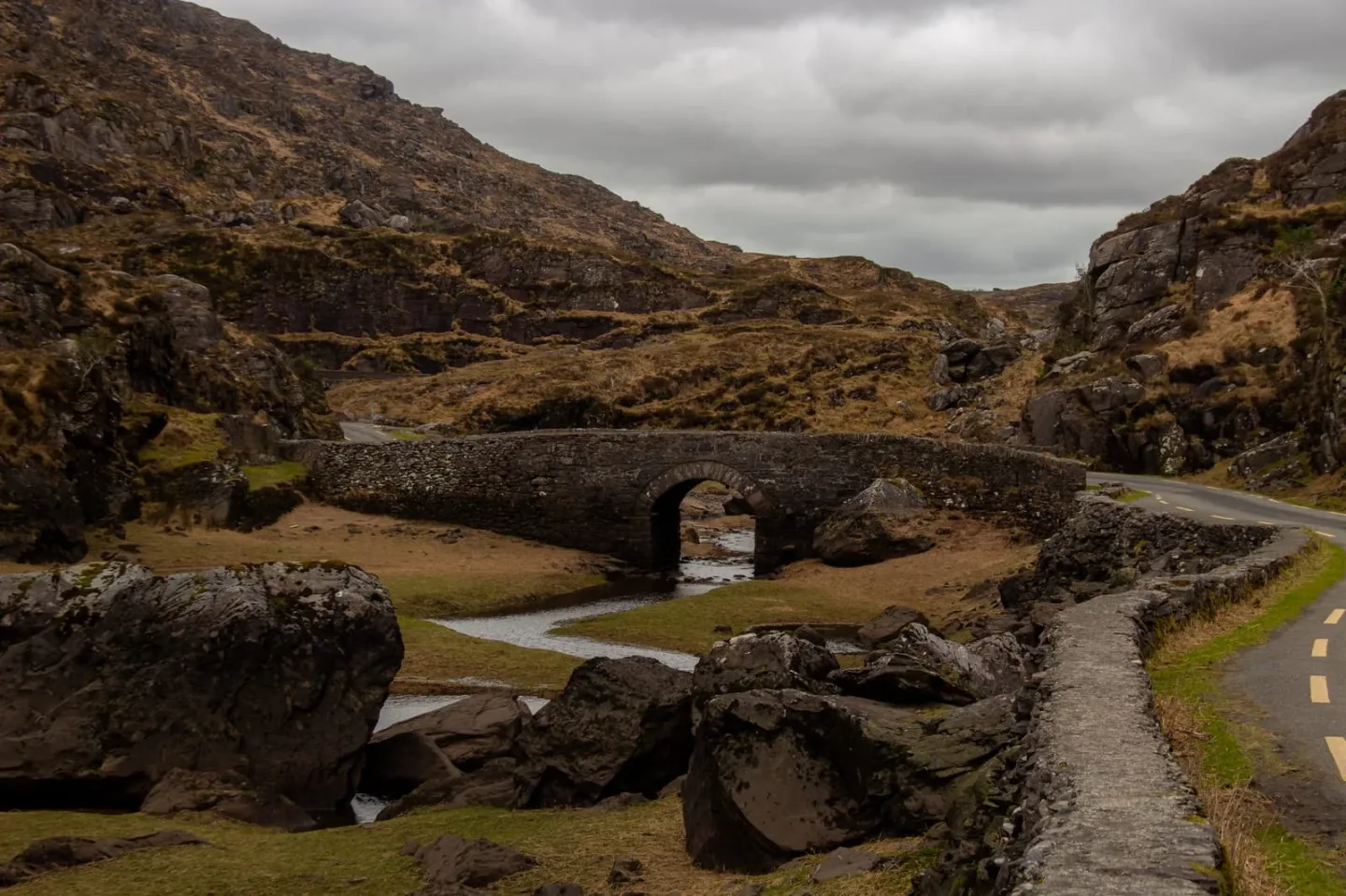
Killarney is Ireland's most visited national park and one of the greenest walking trail parks in Europe. The lake-shore paths around Lough Leane and Muckross Lake are almost entirely flat, with views across the water to the MacGillycuddy's Reeks mountain range throughout.
The short walk to Torc Waterfall is one of the most rewarding easy trails in Ireland: a broad path through old oak woodland leads to a 20-metre waterfall at the top of a gentle climb. The park is free to enter, the trail network is well-marked and maintained year-round, and the surrounding scenery requires no technical effort to reach.
- Do not miss: The Muckross Lake loop in late afternoon, when the light on the water is at its warmest.
Any Park with Walking Trails Near You Is Worth Exploring
The ten parks above set a high bar, but the principles they share apply to walking trail parks at every scale. Clear signage, maintained surfaces, scenery positioned along the route, and varied distances that suit different walkers are what make a park trail genuinely enjoyable rather than just functional.
Every region has parks with walking trails worth knowing about, many of them significantly quieter than the famous ones listed here. State park systems, regional nature reserves, and local land trusts often maintain excellent park walking trails that see a fraction of the visitor pressure. The health and mental well-being benefits documented by the NPS and CDC do not require traveling to Yosemite or Plitvice. They require getting outside consistently, on whatever walking trail parks are accessible to you.
That said, if the chance to visit any of the parks above comes up, take it. The combination of well-designed trails and genuinely extraordinary scenery is harder to find than it looks.
Frequently Asked Questions
Are park walking trails suitable for beginners and families with children?
Most are, by design. Walking trail parks are built for general public access, which means paved or compacted surfaces, gentle gradients, and clear wayfinding. Trails like Zion's Riverside Walk, Central Park's main paths, and Killarney's lake-shore routes are specifically suited to families and first-time visitors. Check trail listings for surface type and elevation gain before visiting with very young children or mobility-limited family members.
What should I bring for a day on walking park trails?
The basics cover most situations: water (more than you think you need, especially in warm weather), a snack, sun protection, and a light layer for weather changes. Comfortable shoes with some grip are more important than dedicated hiking boots on most park walking trails. A small first aid kit and a charged phone for navigation are sensible additions on longer or more remote trails.
Are dogs allowed in parks with walking trails?
Rules vary by park and country. Many urban parks, including Hyde Park and Golden Gate Park, welcome leashed dogs on most paths. U.S. national parks generally restrict dogs to paved surfaces and developed areas, keeping them off backcountry and most natural-surface trails. Plitvice Lakes prohibits dogs entirely to protect wildlife. Always check the specific park's current pet policy before visiting.
What is the best time of day to walk park trails for the best experience?
Early morning consistently offers the quietest conditions, the best light for scenery and photography, and the coolest temperatures in summer. In high-traffic parks like Yosemite Valley and Zion, early starts also mean significantly smaller crowds on the trail. In parks known for wildlife, such as Yellowstone and Killarney, morning and late afternoon are the most active periods for animal sightings.