
According to the National Institute of Mental Health, an estimated 23.1% of U.S. adults, roughly 59 million people, lived with some form of mental illness in 2022.
Anxiety and depression top that list, and both have been trending upward for over a decade. Medication and therapy are proven treatments, but researchers and health professionals have increasingly pointed to something far simpler as a meaningful complement: getting outside and walking on a trail.
The link between hiking and mental health is well-documented in peer-reviewed research. Time in natural settings produces measurable reductions in stress hormones, lower rates of repetitive negative thinking, improved mood, and stronger emotional resilience. Those are not minor side effects of fresh air. They are specific, studied outcomes that show up consistently across different populations, trail types, and study designs.
Why Hiking Has Such a Strong Effect on Mental Health
Not all physical activity affects the brain the same way. A gym session on a treadmill does different things than a trail through a forest, even at the same intensity. Three overlapping mechanisms explain why hiking produces such reliable mental health outcomes.
How Natural Settings Change the Brain's Stress Response
The human brain responds to natural settings differently than to urban or built ones. A landmark Stanford University study published in PNAS found that a 90-minute walk in a natural setting significantly reduced both self-reported rumination and neural activity in the subgenual prefrontal cortex, a brain region associated with depressive withdrawal. The same walk in an urban setting produced no such effect.
Rumination, the habit of cycling through the same negative thoughts repeatedly, is one of the primary cognitive drivers of anxiety and depression. A single hike in a natural setting was enough to measurably reduce it.
A separate randomized controlled trial measured salivary cortisol before and after mountain hiking. A single three-hour bout of mountain hiking produced a significantly stronger reduction in cortisol compared to a sedentary control condition. That is a real, physiological stress response, not just a subjective feeling of calm.
Movement, Mood, and the Brain's Chemistry
Aerobic exercise directly influences neurochemistry. Movement increases the availability of serotonin, dopamine, and endorphins, all of which contribute to mood stability and emotional regulation. Hiking delivers a moderate-intensity aerobic workout across variable terrain, which tends to sustain effort over longer periods than many gym-based activities.
A comprehensive integrative review published in Frontiers in Public Health found that hiking interventions effectively reduced symptoms of depression and anxiety, enhanced positive emotions, and reduced negative affect, with consistent results across different populations and trail types.
Screens Off, Brain Rested
Most sources of modern stress are screen-based: work notifications, news cycles, social media, and constant connectivity. A hike removes all of it at once. The absence of digital stimulation, combined with the low-level sensory engagement of a natural setting, allows the brain's directed attention systems to rest and recover.
Attention Restoration Theory, developed by researchers Rachel and Stephen Kaplan, describes this mechanism in detail: natural settings restore cognitive function precisely because they engage the brain's involuntary attention system rather than the effortful, directed attention that work and screens demand constantly.
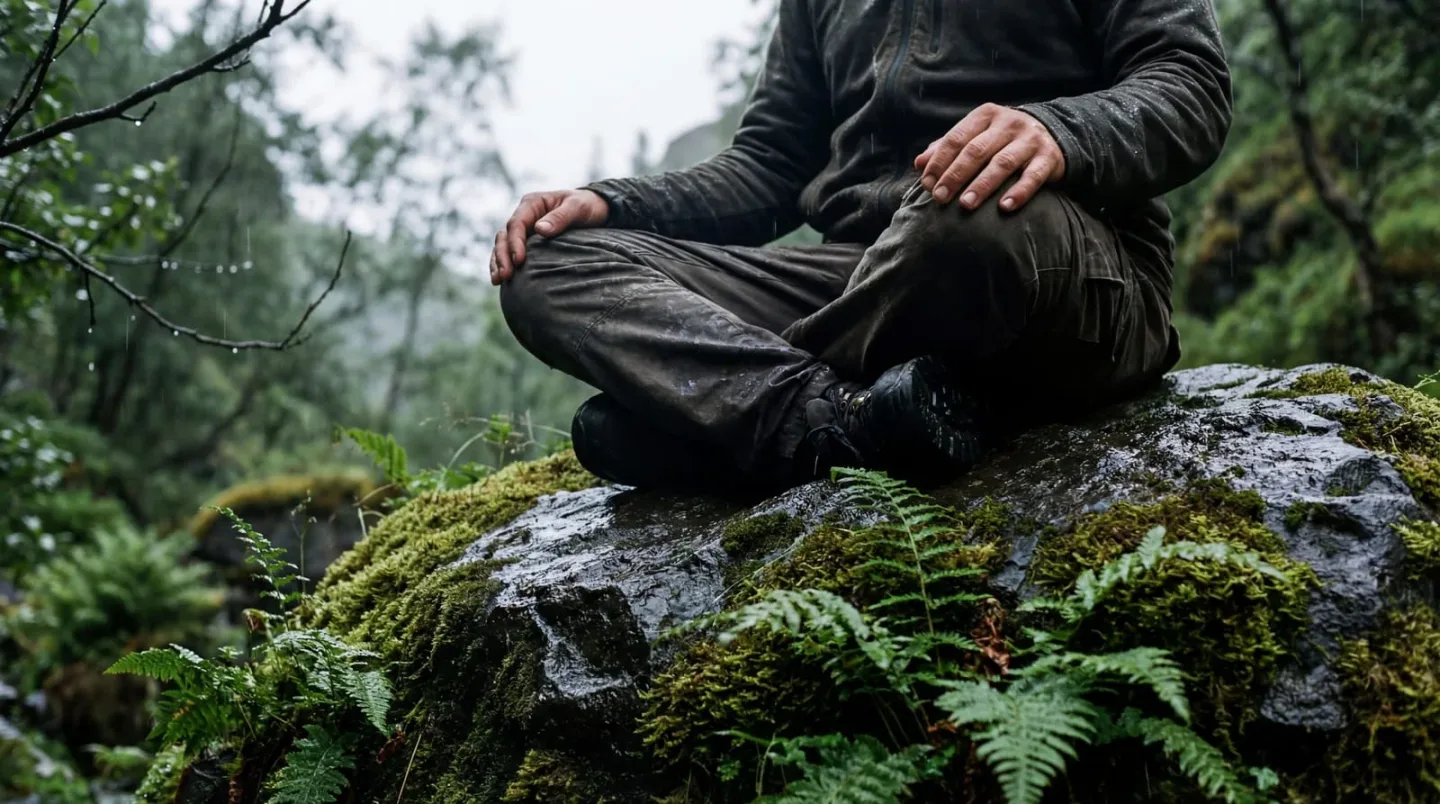
Mental Health Benefits of Hiking Worth Knowing
1. Stress Drops Faster Than Most People Expect
Stress reduction is the most well-documented of the mental health benefits of hiking. The cortisol evidence above is one part of it. The broader picture includes reduced blood pressure, slower heart rate, and decreased activity in brain regions associated with threat response, all outcomes tied to time in natural settings.
Hiking for mental health works on stress through several channels simultaneously:
- Physical exertion burns off accumulated tension that builds up from sedentary, screen-heavy days
- Time in a natural setting activates the parasympathetic nervous system, the body's rest-and-digest mode, which counteracts the chronic fight-or-flight state many people operate in
- The absence of screens removes the primary source of chronic stress for most adults, often for several hours at a stretch
2. Anxiety and Low Mood Have Less Room to Settle In
The mood benefits of hiking are both immediate and cumulative. A meta-analysis of nature-based interventions published in the International Journal of Environmental Research and Public Health found that nature walks effectively improved mental health outcomes, including anxiety and depression, across multiple studies.
A separate meta-analysis of randomized controlled trials found that nature-based outdoor activities reduced anxiety with an effect size of 0.94, a substantial result by psychological research standards.
For people already managing anxiety, the hiking mental health benefits extend beyond the session itself. Regular outdoor activity is associated with lower baseline anxiety levels over time, not just temporary relief in the moment.
3. Mental Clarity Returns After Time on the Trail
Mental fatigue is real and measurable. After hours of focused work, the brain's capacity for attention, decision-making, and creative thinking declines noticeably. Hiking in a natural setting is one of the most effective ways to reverse it.
Natural settings engage the brain's involuntary attention system, the part that notices a hawk overhead or water moving over rocks, while the voluntary attention system required for work tasks quietly recovers in the background.
Even a 60 to 90-minute trail walk can produce a noticeable improvement in cognitive sharpness on return. Many people find they think more clearly and creatively on or immediately after a trail than they do after an equivalent break spent indoors.
4. Regular Hiking Builds Emotional Resilience Over Time
The hiking mental health benefits are not limited to what happens on the trail itself. Regular time outdoors tends to produce changes that carry into daily life: a greater tolerance for discomfort, a more grounded relationship with your own thoughts, and a stronger sense of self-efficacy. All three buffer against anxiety and low mood in ways that a single session cannot.
Hikers who make the trail a consistent practice, rather than an occasional outing, report handling stress better, recovering from setbacks faster, and feeling less destabilised by the ordinary pressures of work and relationships. That shift does not happen overnight, but it does happen reliably with time.
5. Sleep Quality Improves, and That Changes Everything
Sleep and mental health reinforce each other in both directions. Poor sleep worsens anxiety and depression; anxiety and depression worsen sleep. Hiking breaks this cycle from several angles at once:
- Physical exertion increases sleep pressure, the biological drive to sleep that builds throughout the day
- Exposure to natural daylight during a hike reinforces the body's circadian rhythm, which screens and indoor lighting disrupt
- Lower cortisol levels in the evening, a direct result of the stress reduction hiking produces, make it easier to fall and stay asleep
Better sleep improves cognitive function, emotional regulation, and stress tolerance. For anyone using hiking for mental health as a regular practice, the sleep benefit compounds everything else the trail does for the brain.
Solo vs. Group Hiking: Two Different Mental Health Experiences
Solo and group hiking both deliver real mental health benefits, but they address different needs. Knowing which one suits you on a given day is part of getting the most out of time on the trail.

What Solo Hiking Does for the Mind
Solo hiking creates space for uninterrupted self-reflection that most daily routines simply do not allow. Without the natural pull of conversation, the mind settles into a more observational, less reactive mode. Many people find their clearest thinking happens on solo trails, not because they are deliberately problem-solving, but because movement and quiet let thoughts surface and settle on their own terms.
For anyone who finds social interaction draining, a solo hike is a form of genuine recovery. The mental benefits of solo hiking come largely from what it removes:
- No pace to match or adjust to someone else's fitness level
- No conversation to maintain when you would rather just move and think
- No need to manage anyone else's experience or energy on the trail
As a pure stress relief mechanism, solo hiking delivers a quality of mental quiet that group settings rarely replicate.
What Group Hiking Adds
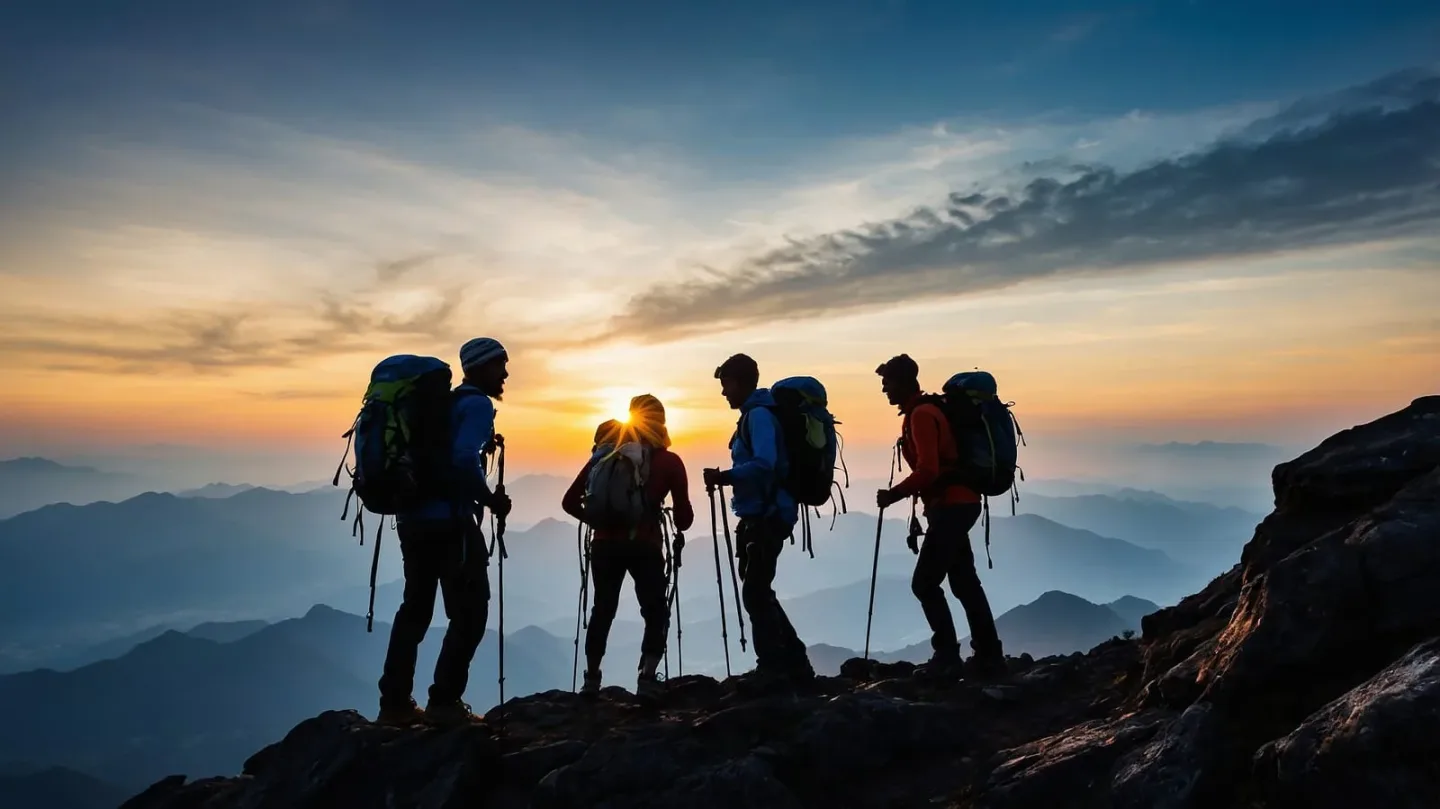
Group hiking addresses mental health from a different angle. Social isolation is a well-established risk factor for anxiety and depression, and group trails offer structured, low-pressure social interaction. Conversation on a trail has a different quality than conversation at a table: the shared physical effort, the shared attention to the surroundings, and the absence of screens all contribute to a more genuine connection.
Research on group nature walks found that they buffered the effects of stressful life events on mental health, pointing to the combination of nature exposure and social connection as more effective than either factor alone. For people who struggle with motivation to exercise independently, group hiking also provides the accountability that makes consistency more likely.
Getting on a Trail Is One of the Simplest Mental Health Investments Available
The mental benefits of hiking do not require long distances, technical terrain, or expensive gear. Research consistently shows that the key ingredients are time in a natural setting, moderate physical movement, and separation from digital stimulation. A 60-minute local trail walk delivers most of the same core benefits as a full-day mountain hike, particularly for stress reduction and mood improvement.
Some health systems in Europe have formally incorporated nature-based activities into mental health treatment programs because the evidence is strong. For most people, though, the starting point is simpler: get on a trail regularly.
Hiking for mental health is not a cure for clinical conditions, and it works best alongside professional support when that support is needed. But as a regular practice, it addresses stress, anxiety, mood, sleep, and cognitive function at once, which is a combination that very few single activities can match.
Frequently Asked Questions
How does hiking improve mental health?
Hiking reduces cortisol, lowers rumination, improves mood through aerobic activity, and restores cognitive function over time in natural settings. These are physiological effects confirmed in multiple studies, not just subjective impressions. Regular hiking also builds emotional resilience and improves sleep quality, both of which support long-term mental well-being.
Can hiking help with depression symptoms?
Research supports hiking as a meaningful complement to treatment for depression. The integrative review published in Frontiers in Public Health found hiking effective at reducing depression symptoms and enhancing positive emotions across multiple studied populations. It works best alongside professional support rather than as a replacement for it.
How often should you hike to experience mental health benefits?
Structured hiking interventions in research studies have found consistent benefits with sessions of 20 to 90 minutes, two to three times per week, over 8 to 12 weeks. For most people, even once or twice weekly on a natural trail produces measurable improvements in mood and stress levels compared to no outdoor activity at all.
Is solo hiking better for mental health than hiking with others?
They work differently, rather than one being better. Solo hiking provides quiet, self-reflection, and recovery from social fatigue. Group hiking addresses isolation and combines social connection with nature exposure. Which one helps more depends on what you personally need most at a given point.
What makes hiking more effective for stress relief than indoor exercise?
The natural setting accounts for a significant part of the difference. Research directly comparing outdoor and indoor exercise finds that nature produces additional benefits beyond physical activity alone, including greater reductions in rumination and stronger cortisol decreases. The Stanford PNAS study established that nature, specifically, not movement alone, was responsible for reduced neural activity in the brain region linked to depressive rumination.