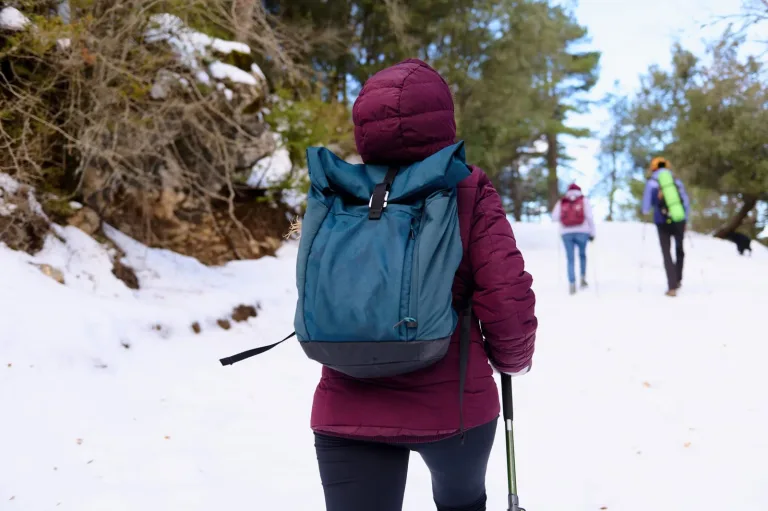
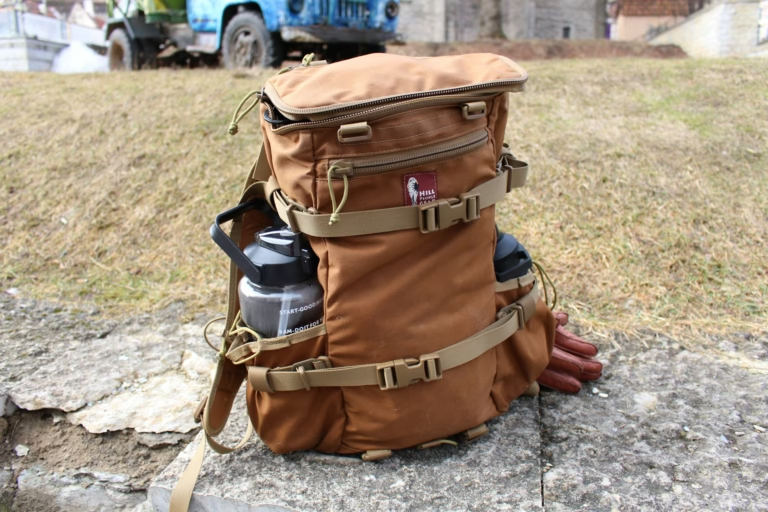
Nothing derails a hike faster than a poorly chosen pack. Your shoulders ache by mile two. The hip belt digs into your bones. That water bottle you desperately need sits buried under three layers of gear. Whether you're planning a morning loop through local trails or a weeklong expedition into the backcountry, your hiking backpack can make or break the entire experience.
The right backpack for hiking does more than just carry your stuff. It becomes an extension of your body, distributing weight so well you almost forget it's there. The wrong one? It'll have you counting down the minutes until you can finally drop it at the trailhead. With so many options flooding the market in 2026, finding the best hiking backpacks means understanding what separates a good hiking backpack from one that'll gather dust in your garage.
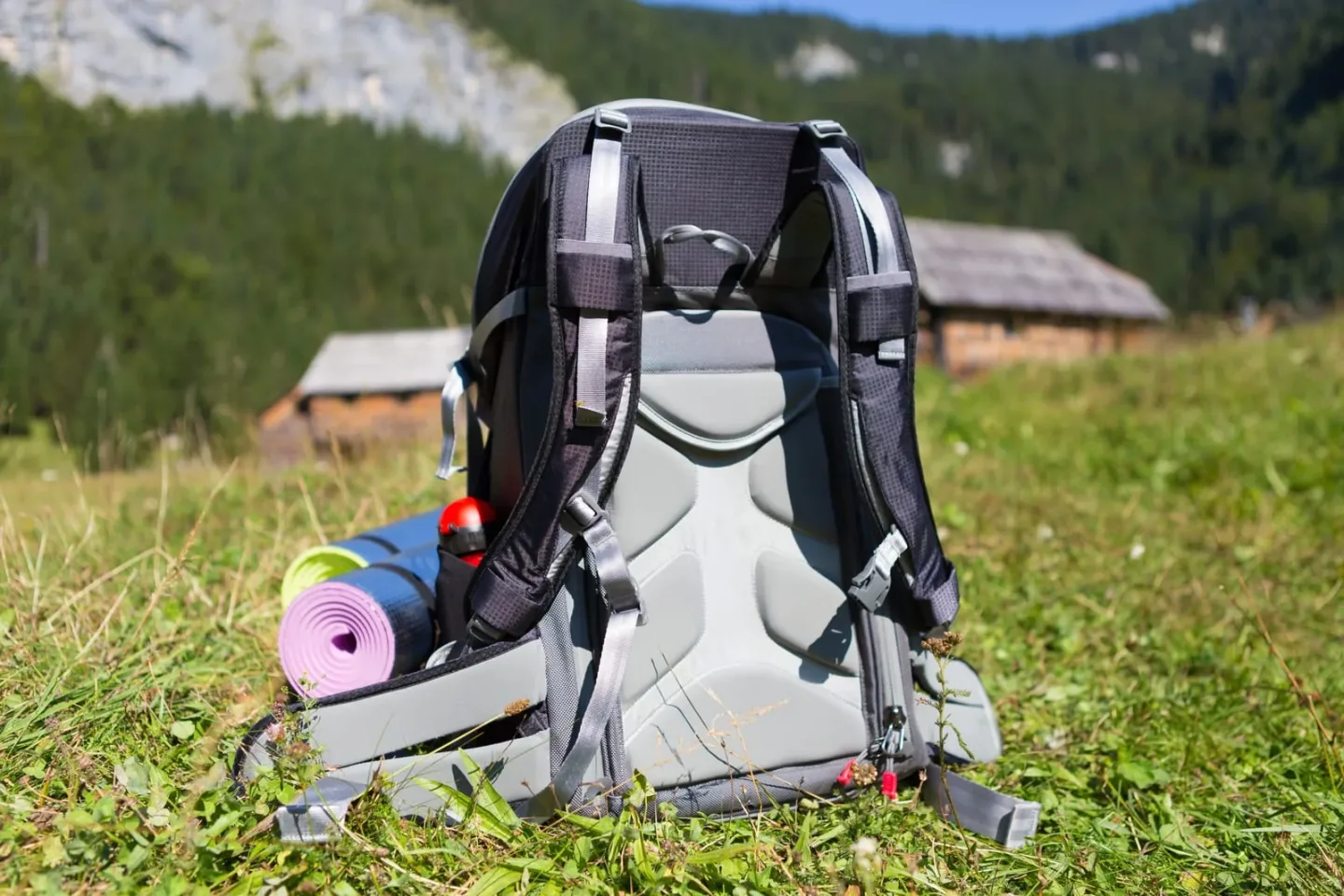
Hiking Backpack Buying Guide: What Makes a Backpack Great
Before you pull out your wallet, you need to know what actually matters in a quality pack. Let's break down the essential features that separate great hiking backpacks from mediocre ones.
Fit & Suspension: The Foundation of Comfort
Here's something many hikers learn the hard way: an expensive pack with a poor fit performs worse than a budget model that matches your body perfectly. Torso length matters far more than your height. Measure from the C7 vertebra (that bump at the base of your neck) down to the top of your hip bones. The hip belt should carry about 80% of your pack's weight, sitting on top of your hip bones, not around your waist like jeans.
Capacity Explained: Matching Volume to Your Plans
Backpack capacity gets measured in liters:
- 15–30 liters: Day hikes (4–8 hours)
- 30–50 liters: Overnight trips or ultralight treks
- 50–70+ liters: Traditional multi-day backpacking (3–7 days)
Bigger isn't always better—match capacity to your actual needs.
Comfort & Ventilation: Staying Cool Under Load
Modern hiking backpacks tackle the sweaty-back problem through mesh-paneled backs that create air gaps. Some systems suspend the pack slightly away from your spine, allowing air to flow continuously. The best suspension systems keep the load close to your body's center of gravity while preventing pressure points through padded shoulder straps, adjustable chest straps, and load-lifter straps.
Durability & Materials: Built to Last
Quality hiking backpacks use ripstop nylon in the 210D–500D range, balancing toughness with reasonable weight. Reinforced stitching at stress points prevents blowouts on the trail. Weather resistance varies: some packs have water-resistant coatings (DWR treatments), while others include rain covers. Pay attention to base and bottom panels—these spots hit rocks and dirt constantly, so reinforced bottoms make your pack last years longer.
Features That Matter: The Details That Count
Hydration compatibility is now standard, with internal sleeves for water reservoirs and ports for drinking tubes. External pockets should be reachable without removing the pack, while hip belt pockets keep snacks and essentials within easy reach. Compression straps cinch down loads to prevent shifting and provide attachment points for overflow gear. Tool loops, ice axe slots, and trekking pole holders add versatility for different adventures.
Top 5 Hiking Backpacks Compared
| Model | Capacity | Weight | Best For | Key Advantage |
| Osprey Atmos AG LT 65 | 65L | 4.4 lbs | Multi-day comfort | Anti-Gravity suspension system |
| REI Co-op Flash 55 | 55L | 2.4 lbs | Ultralight trips | Removable features, minimal weight |
| ULA Catalyst | 56-68L | 2.6 lbs | Custom load carrying | Highly adjustable, cottage brand quality |
| Deuter Trail 22 SL | 22L | 2.2 lbs | Day hikes | Women's-specific fit, excellent ventilation |
| Gregory Baltoro 65 | 65L | 4.9 lbs | All-purpose backpacking | Durable build, extensive features |

5 Best Hiking Backpacks of 2026: Our Top Picks
These five packs consistently rise to the top for different needs and hiking styles.
Best Overall Backpacking Pack: Osprey Atmos AG LT 65
The Osprey Atmos AG LT 65 earns its spot as one of the best hiking backpacks through smart comfort engineering and thoughtful design. The Anti-Gravity suspension system uses a continuous mesh panel that wraps around your back and hip belt, spreading weight across a larger area while keeping air flowing.
- Who it's for: Backpackers who care most about comfort on multi-day trips and don't mind carrying a bit more weight for premium features.
- Standout features: The seamless mesh back panel eliminates those annoying pressure points better than traditional foam designs. Multiple adjustment points fit different torso lengths and body types. You get an integrated rain cover, tool attachments, and a removable top lid that converts into a daypack.
- Why it's among the best backpacks for hiking in 2026: This pack makes heavy loads feel manageable. The suspension technology actually delivers on its promises, and the build quality means it'll handle years of trail abuse. For traditional backpackers carrying normal gear weights, few packs match this level of all-day comfort.
Best Ultralight Gear Pack: REI Co-op Flash 55
The REI Co-op Flash 55 proves that a good hiking backpack doesn't need to weigh as much as the gear inside it. At just 2.4 pounds, it's designed for people who count every ounce but still need enough space for multi-day trips.
- Who it's for: Experienced hikers switching to ultralight systems or anyone committed to cutting pack weight without sacrificing durability.
- Standout features: You can remove the foam framesheet, sleeping pad straps, top lid, and hip belt pockets to strip down to bare essentials. Despite the featherweight design, the 210D nylon construction holds up well. The roll-top closure gives you flexibility in how much capacity you actually use.
- Why it ranks among the best hiking backpacks: Saving this much weight directly translates to more enjoyable hiking. You move faster, tire less quickly, and put less stress on your joints. The modular design means you can customize it for specific trips, adding features back when you need them.
Best for Custom Load Carrying: ULA Catalyst
The ULA Catalyst represents cottage industry craftsmanship applied to a practical hiking backpack design. This pack focuses on simplicity, adjustability, and tough construction rather than flashy features.
- Who it's for: Hikers who want a pack that adapts to different gear setups and load weights, especially those carrying heavier camera equipment or fishing gear alongside camping essentials.
- Standout features: The internal frame has adjustable stays that let you custom-mold it to your back curve. The large mesh exterior pocket swallows wet tents or dirty gear. Hip belt options fit different body shapes, and the pack comes in multiple torso lengths for precise fitting.
- Why it's a top backpack for hiking: ULA builds these packs in the USA with exceptional attention to detail. The Catalyst hauls surprisingly heavy loads comfortably while staying light enough for ultralight pursuits. It's tougher than most mass-market alternatives and will outlast them, too.
Best Day & Short Trail Backpack: Deuter Trail 22 SL
The Deuter Trail 22 SL proves that the best hiking backpacks come in smaller packages, too. This day pack specifically fits women's bodies, though the standard Trail 22 works great for men as well.
- Who it's for: Day hikers, trail runners carrying extra gear, or anyone who needs a comfortable pack for shorter outings.
- Standout features: The Aircomfort Sensic Vario back system provides remarkable ventilation for a pack this size. A spring steel frame keeps the structure without adding bulk. The SL designation means "Slim," with narrower shoulder straps and a conical hip belt shaped for women's hips.
- Why it excels as a good hiking backpack: Many day packs sacrifice comfort to save weight. This one delivers both. The ventilation system actually works, keeping your back surprisingly dry during summer hikes. You get stretch side pockets, zippered hip belt pockets, and multiple internal compartments for organization.
Best All-Purpose Backpacking Choice: Gregory Baltoro 65
The Gregory Baltoro 65 takes a comprehensive approach to being the best backpack for hiking across varied terrain and trip lengths. It's loaded with features without feeling cluttered, and it's durable without being excessively heavy.
- Who it's for: Backpackers who want one reliable pack for everything from weekend trips to weeklong expeditions, especially those who value easy access and good organization.
- Standout features: The Response A3 suspension system adjusts across torso lengths on the fly. A quick-access front panel unzips like a suitcase for easy packing. You get a built-in raincover, trekking pole attachments, and a generous pocket configuration that keeps gear organized and accessible.
- Why it's among the best hiking backpacks: Gregory's reputation for durability is well-earned. This pack handles abuse that would destroy lesser models. The suspension system genuinely fits different body types, and the feature set covers nearly every scenario you'll encounter on the trail.
How to Choose the Right Backpack for Your Trail
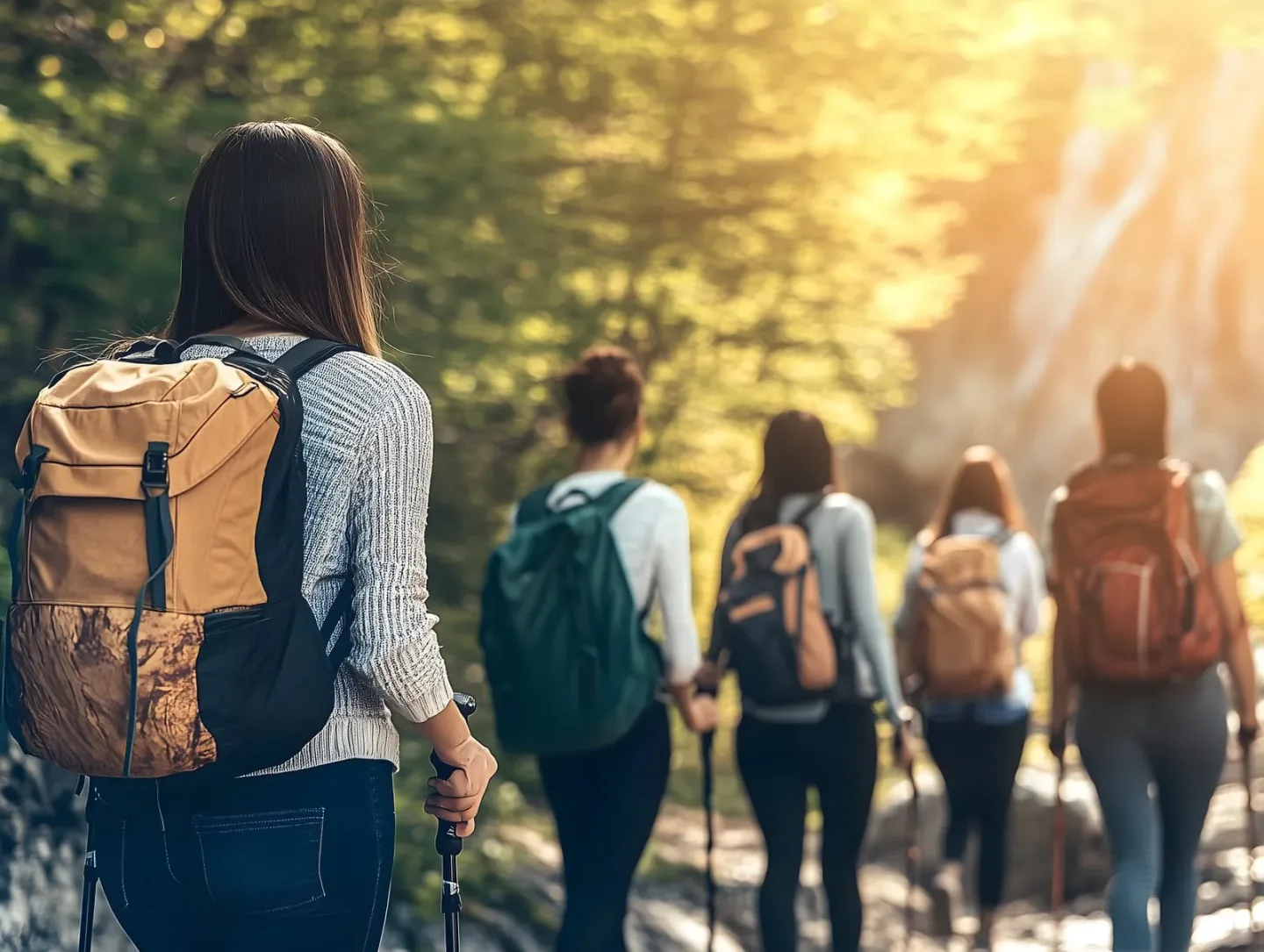
Start by honestly thinking about your typical hiking style. Weekend warriors need different packs than thru-hikers. Day hikers shouldn't suffer under a massive 65-liter pack any more than multi-day trekkers should struggle with too little capacity.
Get professionally fitted when possible. Many outdoor retailers offer fitting services that dial in torso length, hip belt size, and load adjustments. Load the pack with real weight during fitting because an empty pack feels completely different than one carrying 30 pounds of gear.
Think about the climate and terrain where you hike most. Desert hikers need excellent ventilation. Pacific Northwest trekkers require serious weather protection. Rocky terrain demands reinforced bases and durable fabrics.
Brand reputation matters, but fit beats everything else. An expensive Osprey or Gregory pack that doesn't match your torso performs worse than a budget model that fits perfectly. The best hiking backpacks share common traits, but the ideal backpack for hiking is the one that disappears on your back, letting you focus on the trail instead of your aching shoulders.
Try before you buy when possible. Borrow packs from friends, rent from outdoor shops, or take advantage of generous return policies. Your hiking backpack will be with you through countless miles. Choosing wisely means those miles stay enjoyable from start to finish.