Even a simple afternoon on the trails can turn complicated without proper preparation. Day hikes might seem straightforward compared to multi-day backpacking trips, but they still require thoughtful gear selection to ensure safety and comfort.
Weather can shift unexpectedly, trails can take longer than anticipated, and minor injuries can become major problems without basic supplies. Having the right day hiking gear transforms potential disasters into manageable inconveniences.
Proper preparation doesn't mean overpacking until your daypack weighs as much as overnight gear. Smart hikers focus on essential items that address the most common needs and risks encountered on day hikes. This balance between preparedness and practicality makes the difference between an enjoyable outing and a miserable slog under unnecessary weight.
What to Consider When Building Your Day Hiking Gear List
Several factors influence what belongs in your pack for any given hike, and understanding these variables helps create a customized approach rather than a one-size-fits-all solution.
Key considerations include:
- Trail Difficulty and Terrain: Easy, well-maintained trails near civilization require less gear than remote routes with challenging terrain. A paved nature walk might need only water and snacks, while a steep mountain trail demands more comprehensive basic day hiking gear, including navigation tools and emergency supplies. Rocky terrain suggests sturdier footwear and possibly trekking poles, while smooth paths allow lighter options.
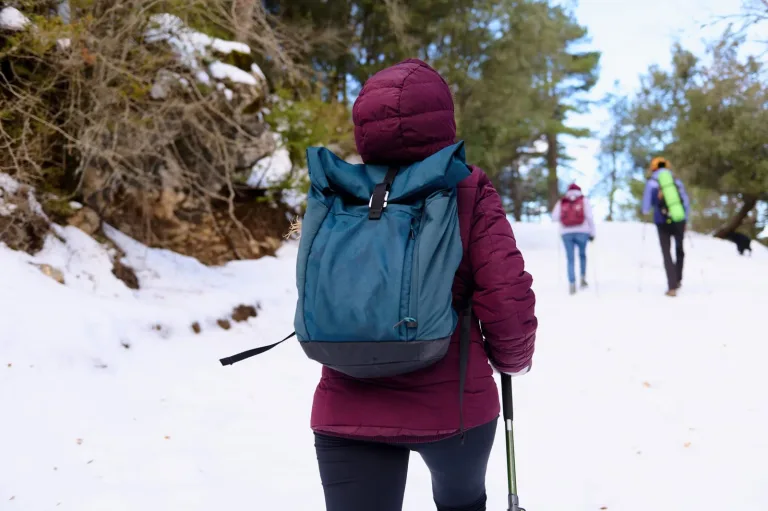
- Weather Conditions and Seasonal Changes: Summer sun demands sun protection and extra water, while spring rain requires waterproof layers. Winter hiking needs insulation and potentially traction devices for ice. Even within a single day, mountain weather can cycle through multiple conditions, making layered clothing systems essential. Checking forecasts helps, but essential gear for day hiking should always include items for conditions worse than predicted.
- Hike Duration: A two-hour morning walk needs less food and water than an all-day trek. Longer hikes require more substantial nutrition, additional hydration capacity, and backup gear in case delays extend the trip into evening hours. Planning turnaround times based on daylight hours prevents getting caught on trails after dark without proper lighting.
The Essential Day Hiking Gear Checklist
These ten items form the foundation of any solid day hiking gear checklist, addressing the most critical needs for safety, comfort, and enjoyment on the trail.
1. Comfortable, Weather-Appropriate Footwear
Why It's Essential: Feet take the brunt of hiking stress, covering uneven terrain for hours at a stretch. Poor footwear causes blisters, twisted ankles, and general misery that can end a hike prematurely. Proper hiking footwear provides traction, support, and protection from rocks, roots, and other trail hazards.
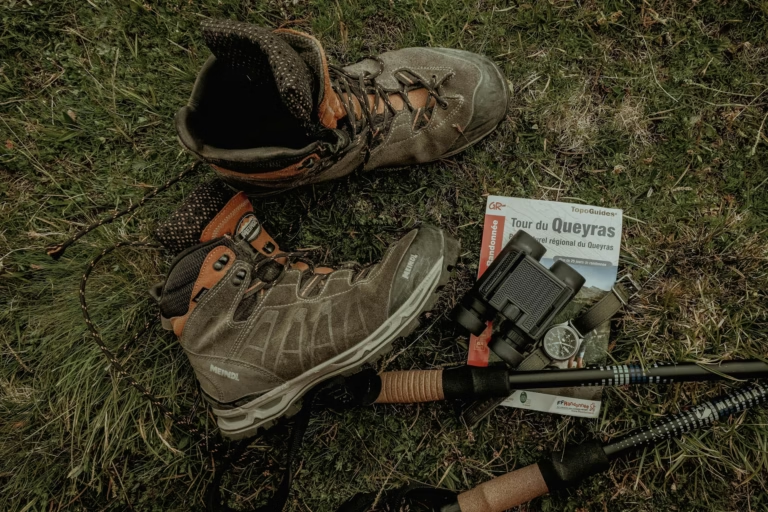
Choosing the Right Option: Trail runners work well for maintained paths and warm conditions, offering lightweight comfort and breathability. Traditional hiking boots provide more ankle support and durability for rocky or muddy terrain.
Break in any new footwear before hitting the trails to avoid painful blisters miles from the trailhead.
2. Daypack (Hiking Backpack)
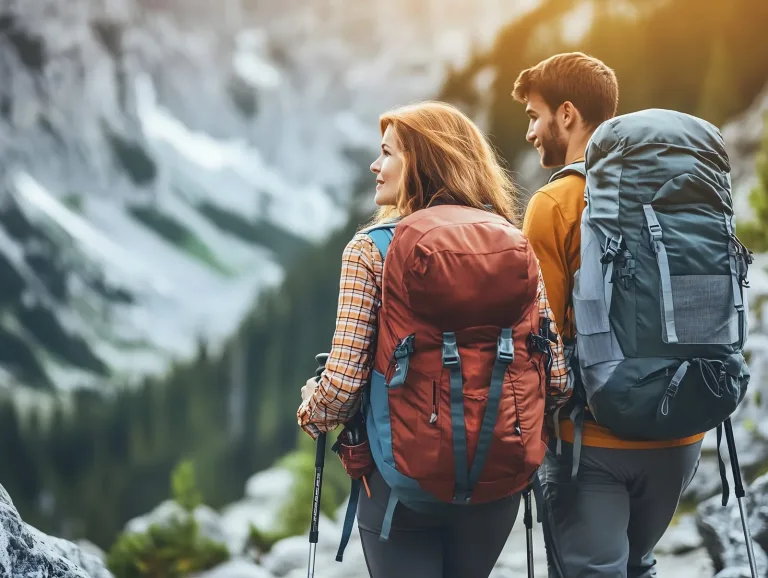
Why It's Essential: Carrying all your day hiking gear requires a proper pack that distributes weight comfortably across shoulders and hips. Hands-free hiking improves balance and safety while allowing use of trekking poles or grabbing handholds on steep sections.
What to Look For: A 15-25 liter capacity handles most day hikes without excess bulk. Padded shoulder straps and ideally a hip belt prevent discomfort during longer treks.
Ventilated back panels reduce sweating, while external pockets provide easy access to frequently needed items like snacks or sunscreen.
3. Water and Hydration System
Why It's Essential: Dehydration impairs judgment, causes fatigue, and in extreme cases leads to serious medical emergencies. Even short hikes in warm weather can require surprising amounts of water.
Hydration Strategy: Carry at least 2 liters of water for moderate day hikes, more for hot weather or strenuous routes. Hydration bladders with drinking tubes encourage frequent sipping, while water bottles offer simplicity and easier monitoring of consumption.
For longer hikes, pack water purification tablets or a filter to refill from natural sources safely.
4. Snacks and Energy Food
Why It's Essential: Physical exertion burns calories quickly, and low blood sugar causes weakness, irritability, and poor decision-making. Quick energy sources maintain performance and enjoyment throughout the hike.
Smart Choices: Trail mix, energy bars, nuts, dried fruit, and jerky provide concentrated calories in lightweight packages that won't spoil. Avoid foods requiring preparation or creating excessive trash.
Pack slightly more than seems necessary since hiking often increases appetite beyond expectations.
5. Layered Clothing
Why It's Essential: Body temperature fluctuates dramatically during hiking as exertion levels change and weather shifts. Starting warm and shedding layers prevents overheating, while adding layers during breaks or in changing conditions prevents dangerous heat loss.
Layering System: A moisture-wicking base layer pulls sweat away from skin. An insulating mid-layer like fleece provides warmth. A waterproof, windproof outer shell protects from precipitation and wind.
This three-layer system adapts to most conditions by mixing and matching as needed.
6. Navigation Tools
Why It's Essential: Even well-marked trails can become confusing at intersections, and getting lost wastes time and energy while creating potential danger. Proper navigation tools prevent wrong turns and provide backup if technology fails.
Reliable Options: Physical maps of the area combined with a compass offer fail-proof navigation requiring no batteries. GPS devices or smartphone apps with downloaded offline maps add convenience.
Always carry the analog backup since phones die, get dropped, or lose signal in remote areas.
7. First Aid Kit
Why It's Essential: Minor injuries happen frequently on trails, from blisters and scrapes to insect bites and twisted ankles. A basic first aid kit addresses these issues before they become serious problems requiring evacuation.
Kit Contents: Include adhesive bandages in various sizes, blister treatment pads, antiseptic wipes, pain relievers like ibuprofen, antihistamine for allergic reactions, and any personal medications.
Small gauze pads, medical tape, and tweezers for splinters round out a comprehensive basic kit.
8. Sun Protection
Why It's Essential: UV exposure at altitude or on snow increases dramatically, causing painful burns that ruin hikes and create long-term skin damage. Sun protection prevents both immediate discomfort and future health problems.
Complete Protection: Apply broad-spectrum sunscreen with SPF 30 or higher to exposed skin, reapplying every two hours. Lip balm with SPF prevents chapped, burned lips.
Sunglasses rated for UV protection save eyes from damage and reduce squinting fatigue. A wide-brimmed hat shades the face and neck effectively.
9. Multi-tool or Knife
Why It's Essential: Countless small tasks during hiking benefit from a blade or tool, from cutting moleskin for blisters to trimming broken pack straps. Emergency situations might require cutting away damaged gear or preparing improvised repairs.
Practical Options: Compact multi-tools combining a knife blade, scissors, screwdriver, and bottle opener handle most trail needs without adding significant weight. A simple folding knife works for hikers preferring minimalist gear.
Choose stainless steel for corrosion resistance in wet conditions.
10. Emergency Shelter
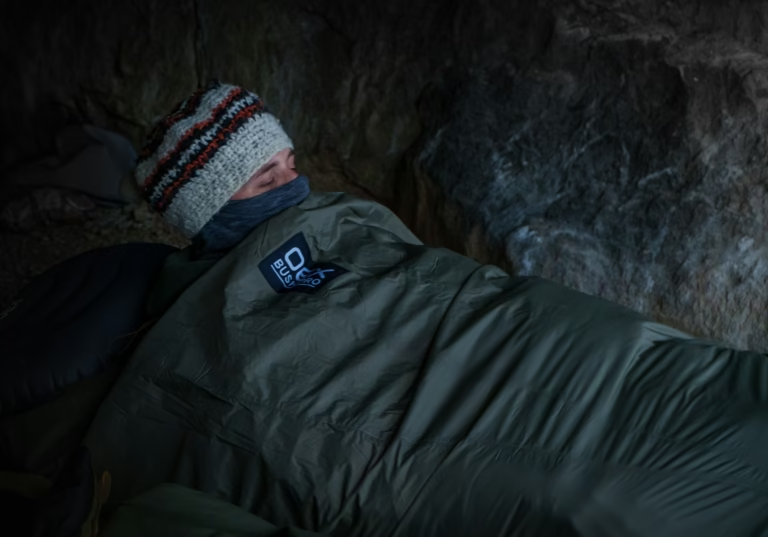
Why It's Essential: Unexpected weather changes, injuries preventing completion of the hike, or simply getting lost can require waiting out conditions or overnight stays. Emergency shelter provides critical protection from wind, rain, and cold.
Lightweight Solutions: Space blankets fold to pocket size while reflecting body heat and blocking wind. Emergency bivy bags offer more substantial protection with minimal weight penalty.
For areas with unpredictable weather, consider a small tarp that creates actual overhead shelter.
Bonus Items for Your Day Hiking Gear List
Beyond the core essentials, several additional items enhance safety and comfort in specific situations, rounding out a comprehensive approach to essential gear for day hiking.
- Trekking Poles: These adjustable poles reduce impact on knees during descents, improve balance on uneven terrain, and provide extra stability when crossing streams. They particularly benefit hikers with knee issues or those carrying heavier packs.
- Bug Repellent: Areas with heavy mosquito, tick, or biting fly populations make repellent essential for sanity and disease prevention. DEET-based formulas offer proven effectiveness, while natural alternatives work for those preferring chemical-free options.
- Camera or Smartphone: Beyond capturing memories, phones provide emergency communication when a signal exists. Download offline maps before hiking and keep the device in airplane mode to conserve battery for genuine emergencies.
- Headlamp or Flashlight: Even hikes planned for daylight hours can extend longer than expected. A small LED headlamp weighs almost nothing but prevents dangerous navigation in the darkness. Fresh batteries matter more than fancy features.
- Waste Bags: Responsible hikers pack out all trash, including toilet paper and hygiene products. Ziplock bags or dedicated waste bags keep garbage contained until reaching proper disposal facilities. Dog owners need additional bags for pet waste on trails that allow dogs.
Adapting Your Basic Day Hiking Gear
This day hiking gear checklist provides a foundation, but smart hikers adjust based on specific conditions. Desert hikes need extra water and sun protection, but lighter clothing.
Mountain trails require warmer layers and potentially traction devices. Coastal routes might need less water but more wind protection.
Experience teaches which items prove most valuable for your typical hikes. Some hikers add items like camp chairs for comfortable breaks, while others pare their kit to absolute minimums.
The key lies in never skipping the ten essential categories while customizing the specifics to match your needs, local conditions, and hiking style.
Summing Up: Preparation Makes Perfect Hikes
Day hiking remains one of the most accessible and rewarding outdoor activities, but even short trips demand proper preparation. The right day hiking gear turns potential problems into minor inconveniences while supporting comfort and enjoyment throughout the hike.
This essential day hiking gear checklist covers the basics every hiker should carry, regardless of trail difficulty or duration. Starting with these ten categories and adapting based on specific conditions creates a reliable foundation for safe, enjoyable trail experiences.
Weigh these items carefully, but resist the temptation to leave essentials behind in pursuit of a lighter pack. The few extra pounds provide insurance against the unexpected situations that occasionally arise, even on familiar trails. Build your day hiking gear list thoughtfully, test it on easier trails, and adjust based on real experience to develop a personalized system that works reliably for your hiking style.