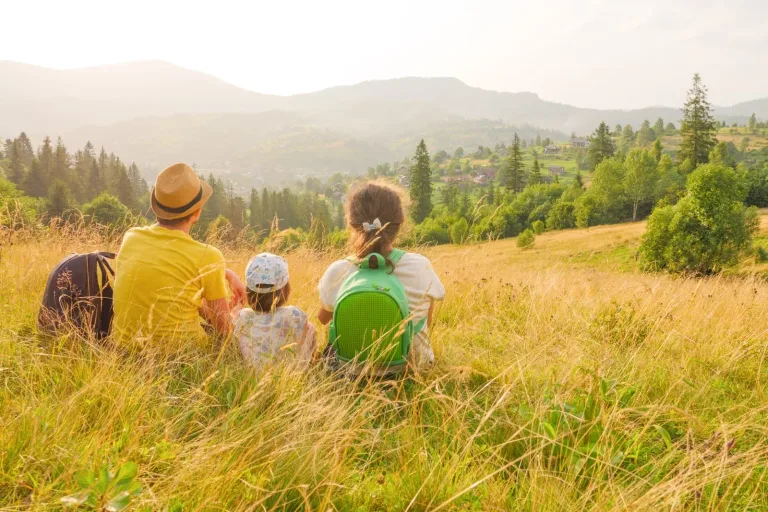
Getting kids outside and active sets them up for a lifetime of healthy habits. Hiking with kids offers physical benefits like improved strength and coordination, emotional growth through problem-solving and resilience, and irreplaceable family bonding time away from screens.
Research published in PMC found that children who hiked more frequently showed higher health-related quality of life scores, measuring physical, psychological, and social well-being. Those benefits start early and grow stronger with each trail you tackle together.
What can parents expect when hiking with kids? Everything depends on age and the development stage. Babies need carriers and frequent stops. Toddlers walk short distances but get distracted by literally everything. Elementary-age kids can handle real mileage but need games to stay engaged. Teens can tackle adult-level trails but appreciate having a say in where they go.
This guide breaks down exactly when and how to start kids hiking, with practical advice for every age from infancy through the teenage years.
Getting Ready for Kids' Hiking Adventures
Before you hit the trail, think about these factors that make hiking with kids safe and actually enjoyable for everyone involved.
Safety First: Choosing the Right Trails
Start with well-maintained paths that match your child's abilities. Look for trails with clear signage, minimal elevation gain, and easy bailout points if someone gets tired or the weather turns bad. Skip trails with steep drop-offs, river crossings, or technical terrain until kids are older and more experienced. Check trail conditions before leaving and have a backup plan ready.
Gear and Preparation Essentials
Kids need properly fitting hiking boots or sturdy sneakers with good tread. Avoid cotton clothing, which stays wet and leads to chills. Layer lightweight, moisture-wicking clothes instead. Pack sun protection, including hats, sunglasses, and sunscreen. Bring way more snacks than seem reasonable because kids burn energy fast on trails. A small backpack lets older kids carry their own water bottle and feel more independent.
Health Considerations on the Trail
Hydration matters more than parents often realize. Kids dehydrate faster than adults, especially at elevation or in heat. Offer water every 20-30 minutes, whether they ask or not. Build in frequent breaks for rest and snacks. Pace based on your slowest hiker, not your own comfortable speed. Watch for signs of fatigue like excessive whining, stumbling, or the dreaded "carry me."
Keeping Kids Mentally Engaged
Boredom ends hikes faster than tired legs. Plan hiking activities for kids to prevent meltdowns. Bring small field guides to identify plants or animals. Pack binoculars for bird watching. Let kids choose a special hiking stick. Set small goals like reaching the next bend or big tree rather than focusing on the final destination that feels miles away to little legs.
Age-by-Age Hiking Guide
Different ages need completely different approaches to make hiking fun for kids. Understanding developmental stages helps you set realistic expectations and avoid frustration.
Hiking with Babies: 6 Months to 2 Years
When is it safe? Once babies can sit up independently and have good head and neck control, usually around 6 months, they're ready for trail time in a carrier. Wait until they can support their own head before attempting any hikes.
Trail recommendations: Stick to short, flat paths with easy access to parking. Nature center loops, paved park trails, and gentle woodland paths work perfectly. Plan for 1-2 miles maximum, though you might turn back earlier, and that's totally fine.
Hiking activities for babies:
- Point out bird songs and animal sounds
- Let them touch soft leaves or pine needles under supervision
- Stop frequently to let crawlers explore safe spots on blankets
- Focus on sensory experiences rather than distance covered
Important tips: Babies can't regulate body temperature well, so dress them in layers that you can adjust. Check frequently that they're not overheating in the carrier or getting too cold. Bring backup clothes, diapers, and wipes. Accept that you'll move slowly and take many breaks. A baby carrier with good back support saves your shoulders and hips on longer walks. Honestly, the hike exists more for your exercise and fresh air than for the baby's entertainment at this age.
Hiking with Toddlers: 2 to 4 Years
When is it safe? Once toddlers walk confidently and can manage a few hundred meters without constant carrying, they're ready for short hikes. Expect frequent stops, direction changes, and requests to be carried anyway.
Trail recommendations: Choose flat or gently rolling trails under 2 miles. Destinations with interesting features like small waterfalls, streams to splash in, or meadows full of wildflowers keep toddlers motivated. Loop trails work better than out-and-backs because everything looks new on the way around.
Kids hiking games:
- "I spy" with natural objects: "I spy something green" or "I spy something smaller than your hand"
- Count specific items like pinecones, birds heard, or different colored rocks
- Collect small rocks, leaves, or sticks in a bag to examine later
- Find things by texture: something soft, something rough, something smooth
How to make hiking fun for kids:
- Let them choose which direction at the trail forks (within safe options)
- Bring along a favorite stuffed animal who "wants to see the trees"
- Take breaks to just sit and observe rather than constantly moving
- Pack a small nature journal with crayons for drawing what they see
- Give toddlers control over small decisions like which snack to eat next
Hiking with Young Kids: 4 to 6 Years
When is it safe? Kids this age can handle 2-3 miles with plenty of breaks. Their attention spans remain short, but their physical stamina improves a lot. They still tire suddenly and need encouragement, though.
Trail recommendations: Easy to moderate trails with an interesting variety work best. Look for paths with rocks to scramble over, logs to balance on, or bridges to cross. A small hill to climb makes kids feel super accomplished without exhausting them.
Hiking activities for kids:
- Nature scavenger hunts: Find five different leaf shapes, three different colored rocks, something soft, something prickly
- Trail bingo cards with common plants, animals, or trail features
- "Follow the leader," where each person leads for five minutes with silly walks
- Physical challenges like jumping over small rocks or balancing on logs
- Collect items for a nature art project when you get home
How to make hiking fun for kids:
- Build anticipation by talking about what you might see before the hike
- Let kids help pack their snack bag
- Give trails fun names based on features: "Waterfall Hike" sounds way better than "Bear Creek Trail"
- Let them choose some hiking games for kids they want to play
- Stop for lunch at a special spot they pick out
- Celebrate reaching viewpoints or destinations with high-fives
Hiking with Older Kids: 6 to 9 Years
When is it safe? Kids this age can manage 3-5 miles with reasonable fitness. They understand the concept of reaching a destination and can push through minor discomfort. Energy levels still bounce around wildly, though.
Trail recommendations: Moderately difficult hikes with some elevation gain challenge, without overwhelming. Forest trails with switchbacks, paths to mountain viewpoints, or routes alongside streams provide interesting scenery throughout.
Hiking games for kids:
- Nature storytelling: Start a story and have each person add a sentence based on something they see
- Team challenges: Who can spot the most bird species or identify different tree types?
- Photo scavenger hunt: Take pictures of specific items like animal tracks, mushrooms, or colorful flowers
- Trail detective: Look for clues about what animals live in the area
- "Twenty questions" with nature themes
How to make hiking fun for kids:
- Let them help with navigation using simplified maps or trail apps
- Give them responsibility for gear, like carrying their own water bottle or being in charge of the family camera
- Set achievable goals: "Let's make it to that big rock without stopping"
- Teach simple skills like identifying poison ivy or reading trail blazes
- Share cool facts about the plants and animals you encounter
- Let them pick rest spots and snack breaks
Hiking with Tweens: 9 to 12 Years
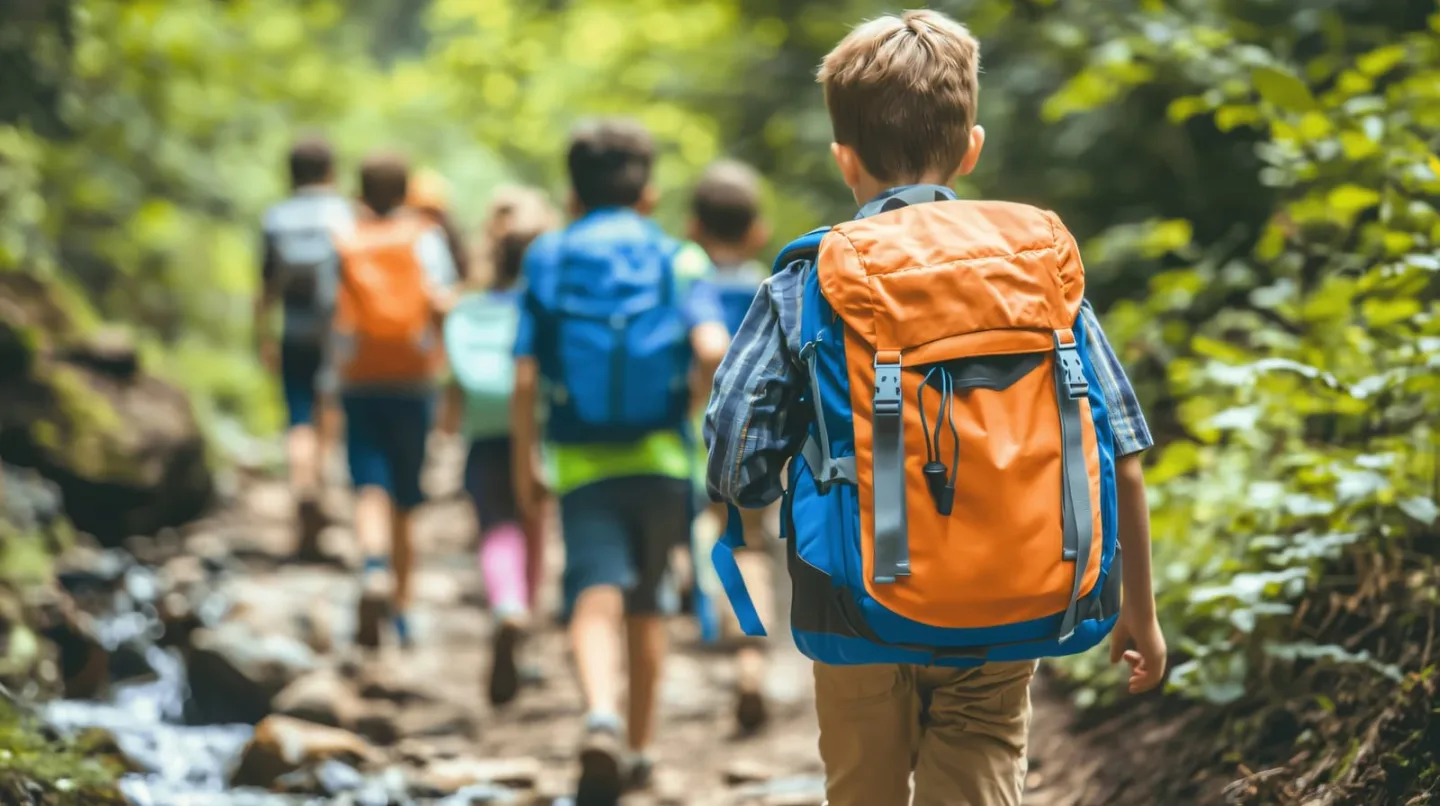
When is it safe? Tweens handle 5-8 miles with less frequent stops. They're developing real endurance and can sustain effort over longer periods. Physical abilities vary a lot at this age, depending on how active they've been.
Trail recommendations: More strenuous trails that involve climbing, rocky terrain, or mountain exploration match their growing abilities. Hikes with impressive payoffs like summit views, waterfalls, or unique geological features motivate better than "just a nice walk."
Hiking activities for kids:
- Wildlife tracking: Use a field guide and notebook to record animals, tracks, scat, or feeding signs
- Nature photography projects with themes like "textures in nature" or "colors of the forest"
- Geocaching with GPS coordinates
- Plant identification challenges
- Journaling about the experience and what they learned
How to make hiking fun for kids:
- Set personal challenges: Hike the whole trail without complaining, identify ten different plants
- Share interesting facts about the ecosystem, wildlife, or geology
- Let them research the trail beforehand and present facts to the family
- Give them navigation responsibilities with a real map and compass
- Allow music during appropriate trail sections (not on narrow or technical terrain)
- Reward completing challenging hikes with a treat afterward
Hiking with Teens: 12+ Years
When is it safe? Teens can handle adult-level distances of 10+ miles and technically difficult trails. Their bodies are capable of sustained physical effort, though motivation varies a lot. Social dynamics and whether hiking seems "cool" influence their engagement more than you'd think.
Trail recommendations: Advanced trails, mountain treks, and backcountry routes challenge their growing capabilities. Consider overnight backpacking trips or trails that require navigation skills and self-reliance.
Hiking games for kids:
- Geocaching with complex multi-cache hunts
- Orienteering with a map and a compass to find specific waypoints
- Nature photography with a focus on composition and lighting
- Backpacking challenges: Set up camp, filter water, cook meals over camp stoves
- Peak-bagging or trail completion goals
How to make hiking fun for kids:
- Give teens genuine input on route selection and trip planning
- Let them research trails and present options to the family
- Challenge them with ambitious goals like completing certain peaks or miles in a season
- Invite their friends on hikes to make it social
- Respect their growing independence while maintaining safety standards
- Allow them to lead sections of the hike
- Trust them with real responsibilities like navigation or meal planning on backpacking trips
Build a Lifetime of Outdoor Memories
Hiking with kids at any age creates lasting memories and builds healthy habits. According to research from the National Association for the Education of Young Children, outdoor play contributes to bone development, a stronger immune system, and physical activity levels that combat childhood obesity. The trails you walk together today shape how your kids view nature and physical activity for life.
Start small and build gradually. A frustrated, exhausted kid on a too-long hike learns to hate hiking. A kid who completes achievable trails and has fun wants to go again. Pay attention to what works for your specific children. Some kids love to identify plants while others prefer to climb rocks. Some need frequent snack breaks while others want to push to the destination.
The goal when hiking with kids is not mileage or summit counts. Your goal is to build positive associations with the outdoors, to move their bodies, and to spend time together as a family. Pack extra patience along with those extra snacks. Expect things to take longer than they would solo. Accept that some hikes will end early and others will surprise you with how well kids rise to challenges.
Those small legs will grow stronger with each trail. Those short attention spans will stretch as kids discover what fascinates them in nature. And those family hiking memories will stick with them long after they've grown into adults who choose their own trails. Start wherever your kids are developmentally, use hiking activities for kids that match their interests, and watch them discover what their bodies and minds can do on the trail.