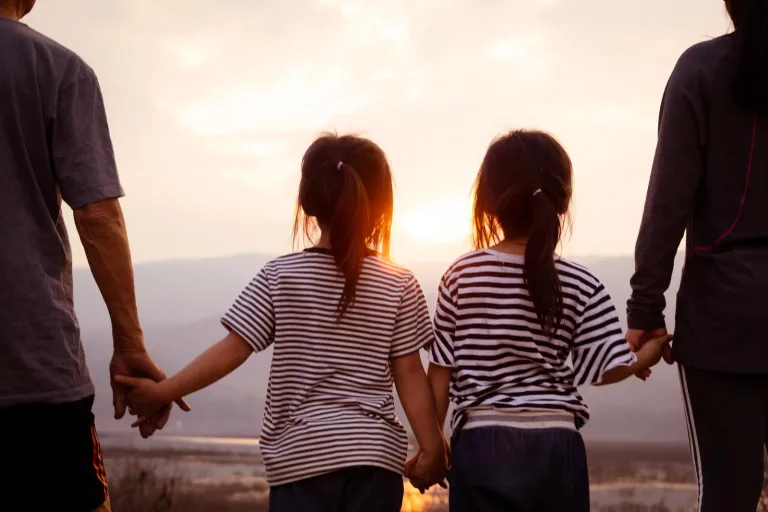
Getting kids off screens and into nature sounds great in theory, but family hiking can feel overwhelming when you're planning your first trip. Between choosing appropriate trails, packing the right gear, and keeping everyone safe and happy, there's a lot to consider. The good news? Hiking with the family offers incredible benefits that make the effort worthwhile.
Spending time in nature reduces stress, improves mood, and increases physical activity levels in both children and adults. Family hiking creates opportunities for quality time without digital distractions, builds physical fitness, and helps kids develop an appreciation for the natural world. These shared experiences often become cherished memories that last a lifetime.
This guide covers everything parents and guardians need to know when planning family hiking trips. You'll learn how to choose appropriate trails for mixed ages and abilities, what gear makes hiking with the family easier, and practical safety tips that keep everyone comfortable on the trail.
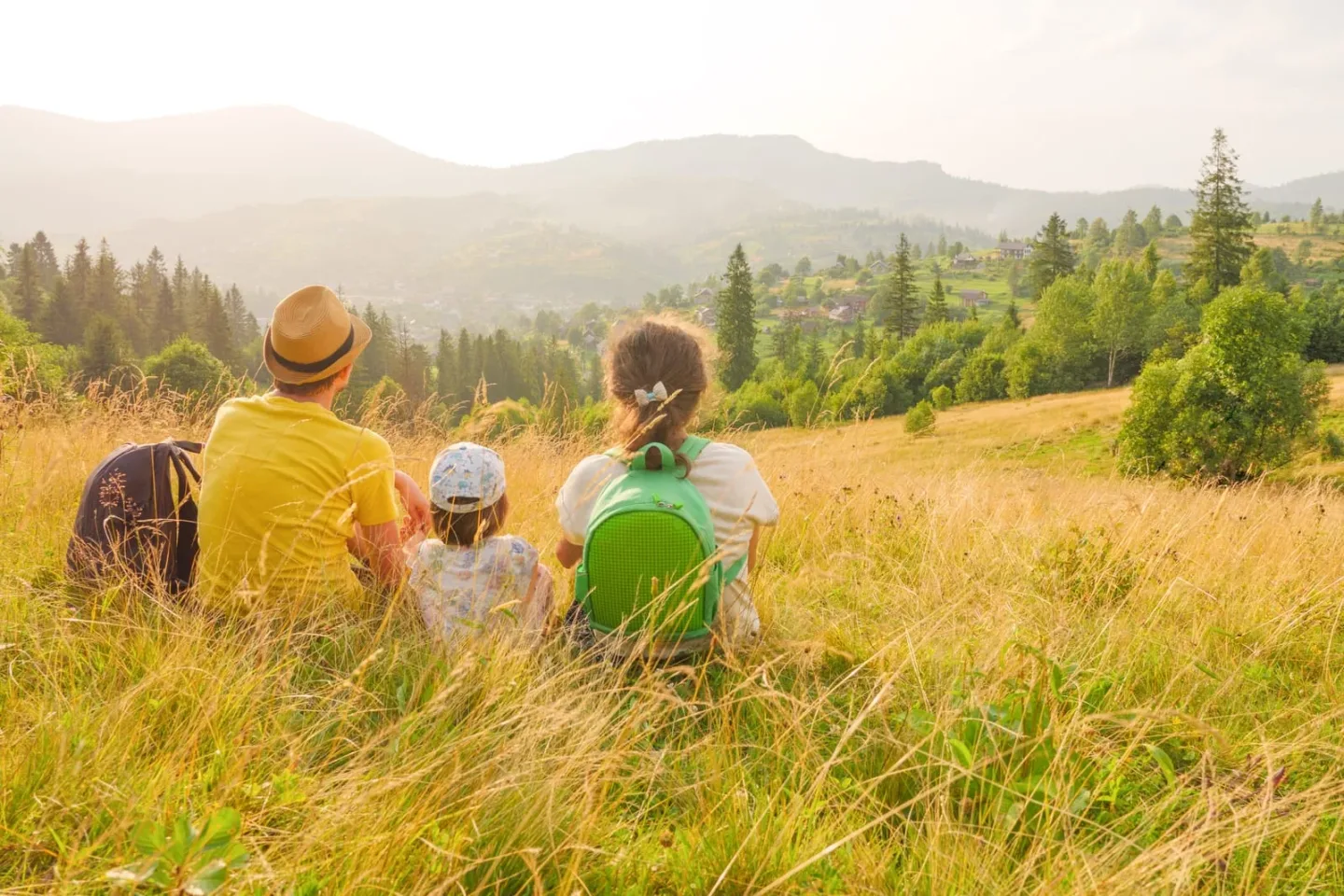
What to Consider Before Planning a Family Hiking Trip
Success starts with honest assessment and realistic planning. These considerations help set your family up for an enjoyable experience rather than a frustrating ordeal.
Age and Fitness Level of Your Family Members
The youngest or least experienced hiker in your group determines the appropriate difficulty level. A trail that works perfectly for teenagers will likely frustrate toddlers and exhaust their parents, who end up carrying them. When planning family hiking trips, consider these age-based guidelines:
- Toddlers (2-4 years): Can typically handle 1-2 miles on flat terrain, though expect to carry them for portions. They need frequent stops and get distracted easily (which can actually be part of the fun).
- Young children (5-8 years): Usually manage 2-4 miles with moderate elevation gain. Their energy comes in bursts, so factor in plenty of breaks for snacks and exploration.
- Tweens and teens (9+ years): Often capable of adult-level distances, though their interest level varies widely. Involving them in trail selection helps maintain enthusiasm.
Don't forget to assess overall family fitness honestly. A family that regularly spends time outdoors will tackle trails differently than one making their first hiking attempt. Start with shorter, easier routes when beginning family hiking together, then gradually increase difficulty as everyone builds confidence and stamina.
Health and Safety Considerations
Basic preparation prevents the most common problems on family hiking trips:
Hydration and sun protection rank as top priorities. Kids need approximately 4-6 ounces of water every 20 minutes during physical activity in warm weather. Bring more water than you think necessary, plus sun hats, sunscreen with SPF 30 or higher, and sunglasses for everyone. Reapply sunscreen every two hours, or more often if kids are sweating heavily.
First aid essentials for hiking with the family should include:
- Adhesive bandages in various sizes
- Antibiotic ointment
- Pain reliever appropriate for children
- Tweezers for splinters
- Elastic bandage for sprains
- Any prescription medications family members need
Keep a charged phone for emergencies, and let someone know your planned route and return time. Download offline trail maps since cell service often fails in remote areas.
Managing existing health conditions requires advanced planning. If anyone has asthma, pack extra inhalers and know where you'll be in relation to medical facilities. For food allergies, bring safe snacks and emergency medications. Kids with mobility challenges might benefit from trails with minimal obstacles and well-maintained surfaces.
Weather and Seasonal Planning
Timing matters significantly for family hiking success. Spring and fall typically offer the most comfortable conditions in most regions, with moderate temperatures and fewer crowds. Summer works well for higher elevations where heat becomes less oppressive, while winter hiking requires specialized gear and experience most families don't have initially.
Check detailed weather forecasts before heading out, and understand that conditions can change rapidly at altitude or in mountainous terrain. Pack layers that everyone can add or remove easily. A basic weather kit for family hiking trips includes:
- Lightweight rain jackets for everyone
- Extra warm layers (fleece or synthetic)
- Hats for both sun and cold protection
- Moisture-wicking base layers
Essential Gear for Family Hiking Trips
The right equipment makes hiking with the family significantly more enjoyable. Focus on lightweight, functional items that serve multiple purposes.
Choosing the Right Hiking Footwear for the Family
Proper footwear prevents blisters, provides ankle support, and keeps feet comfortable on varied terrain. For family hiking, you don't necessarily need expensive hiking boots for everyone:
- For adults and older children: Mid-height hiking boots or trail shoes with good tread work well. Break them in before your trip to avoid blisters.
- For younger children: Sturdy sneakers with good grip often suffice for easy trails. Kids outgrow shoes quickly, so spending heavily on specialized hiking boots for toddlers rarely makes sense unless you're doing frequent family hiking trips.
Always bring an extra pair of socks for each person. Wet or sweaty socks cause blisters faster than anything else.
Kid-Friendly Hiking Gear
Smart gear choices make younger hikers more comfortable and self-sufficient:
- Small backpacks: Let kids carry their own water bottle, snacks, and a small toy. This builds responsibility and makes them feel included in the experience.
- Hiking poles: Adjustable trekking poles help with balance on uneven terrain and make kids feel more capable.
- Whistle: Attach a whistle to each child's pack and teach them to blow it three times if they get separated from the group.
- Headlamp or flashlight: Even for day hikes, conditions can change or trips can run longer than planned.
Family Hiking Essentials for Adults
Parents and guardians need to carry extra supplies for the whole group:
- Navigation tools: Physical map, compass, or GPS device. Don't rely solely on phones since batteries die and service disappears.
- Nutrition: Pack high-energy snacks kids actually enjoy eating. Hungry kids become cranky kids quickly. Good options include trail mix, granola bars, dried fruit, and crackers with nut butter.
- Emergency supplies: Beyond basic first aid, bring a space blanket, fire starter, and multi-tool. These items weigh little but provide security if something goes wrong.
- Child carrier (for younger kids): A quality kid carrier backpack distributes weight properly and allows you to bring toddlers on longer family hiking trips. Look for models with sun shades and storage pockets.
Packing for Comfort and Convenience
Organization makes everything easier when hiking with the family. Use color-coded stuff sacks so everyone can identify their belongings quickly. Pack each person's rain jacket so they can access it easily without unpacking everything.
Bring more snacks than you think necessary. Kids eat constantly when active outdoors, and having extra food prevents meltdowns. Also, pack out all trash and teach children to follow Leave No Trace principles from the start.
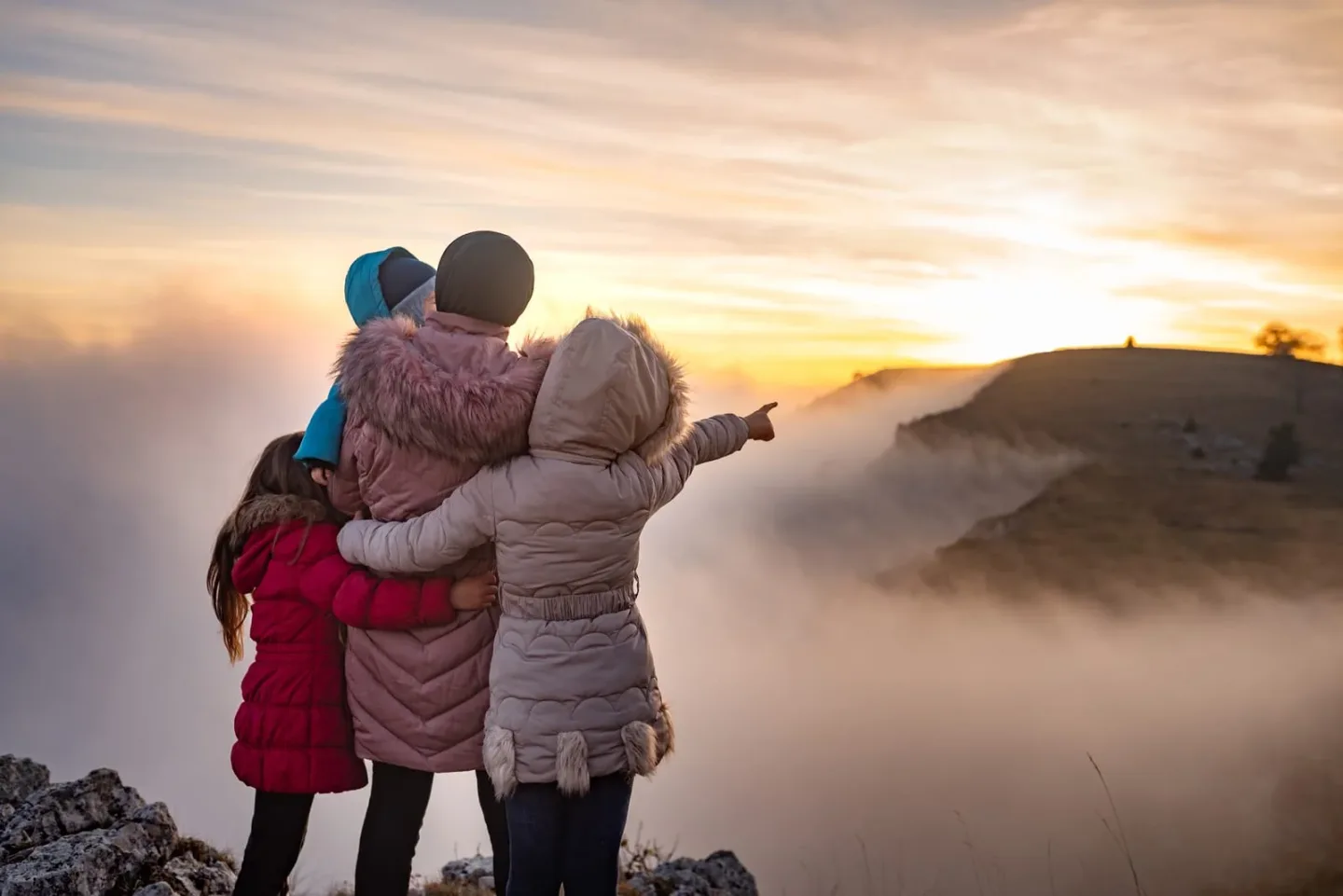
How to Choose Family-Friendly Hiking Trails
Trail selection makes or breaks the experience. The perfect family hiking destination balances achievable challenge with engaging features.
Trail Difficulty and Distance
Start conservatively when planning family hiking trips. A general rule suggests hiking about one mile per hour with young children, including breaks. For a family new to hiking, aim for 2-3 mile routes initially.
Easy to moderate trails typically feature:
- Well-maintained, clearly marked paths
- Minimal elevation gain (under 500 feet)
- Stable, even surfaces without excessive rocks or roots
- Distance under 5 miles round trip
- Accessible facilities at trailheads
Trail features that engage kids transform hiking from exercise into exploration. Look for paths that include:
- Water features like streams, waterfalls, or lakes
- Wildlife viewing opportunities
- Interesting rock formations that kids can safely climb
- Scenic viewpoints with clear destinations
- Historical elements like old cabins or artifacts
Avoid trails that are:
- Exposed to dangerous drop-offs
- Poorly marked or maintained
- Known for heavy traffic that requires constant vigilance
- Beyond your group's experience level
Check recent trail reviews and condition reports before committing. What's easy for experienced hikers might prove challenging for families, and trail conditions change with weather and season.
Family Hiking Tours and Guides
Deciding between guided tours and self-guided exploration depends on your family's experience level and preferences.
Local Family Hiking Tours
Organized family hiking tours offer several advantages, especially for beginners. Professional guides know the area intimately, handle navigation and planning, and often provide gear you might not own. They also share information about local ecology, history, and wildlife that enriches the experience.
Many national and state parks offer ranger-led programs specifically designed for families. These free or low-cost options introduce basic hiking skills while keeping kids engaged through interactive activities. Family hiking tours led by private companies provide more customization and typically include smaller group sizes.
Look for tours that specifically market to families and check age requirements carefully. Some outfitters offer parent-child bonding experiences, while others accommodate larger multi-generational groups.
Self-Guided Family Hiking Adventures
Planning your own family hiking trips provides maximum flexibility and often costs less than organized tours. You can adjust timing to your family's rhythm, take breaks whenever needed, and change plans if someone's struggling.
Start by identifying potential trails, then research thoroughly. Read recent reviews, paying attention to comments from other families. Note any mentions of hazards, difficulty levels that surprised hikers, or features particularly good or bad for children.
Create a flexible itinerary that builds in extra time. Rushing stresses everyone and eliminates opportunities for the spontaneous exploration that makes hiking with the family special. Plan to hike half the distance you think capable adults in your group could manage.
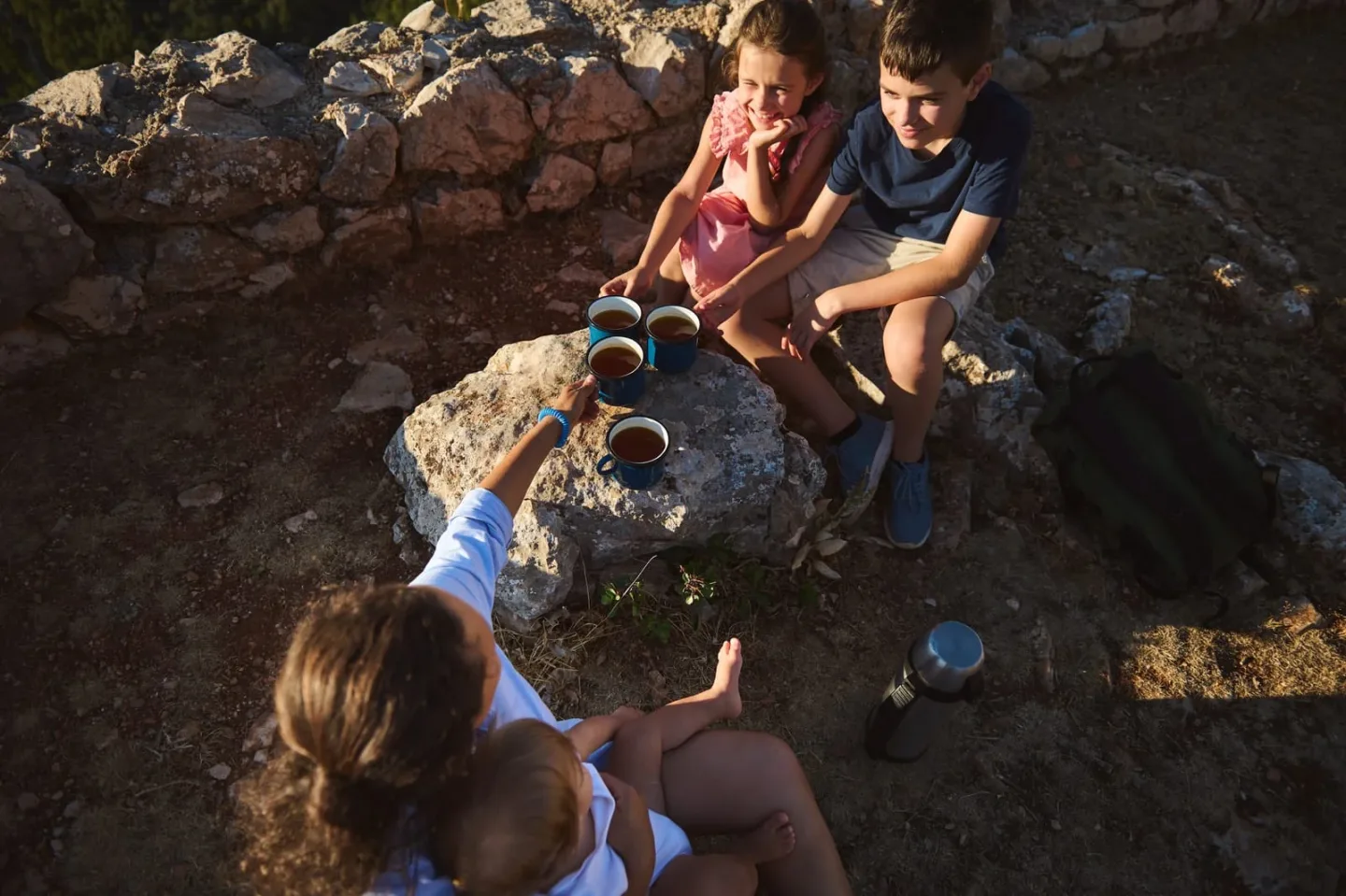
Make Family Hiking Memorable
The best family hiking trips balance preparation with flexibility. Yes, you need proper gear and realistic trail selection. But equally important is attitude. When kids lose interest or someone struggles more than expected, adaptability matters more than reaching a specific destination.
Build in time for play along the trail. Let kids explore tide pools, climb appropriate rocks, or search for interesting leaves. These activities aren't delays; they're actually the point of hiking with the family. You're building positive associations with outdoor time and teaching children that nature offers endless discoveries.
Take photos, but don't let documentation overshadow participation. Kids notice when adults focus more on getting the perfect shot than experiencing the moment together. Some families create trail journals where everyone draws or writes about their favorite part of each hike, building a record of family hiking adventures over time.