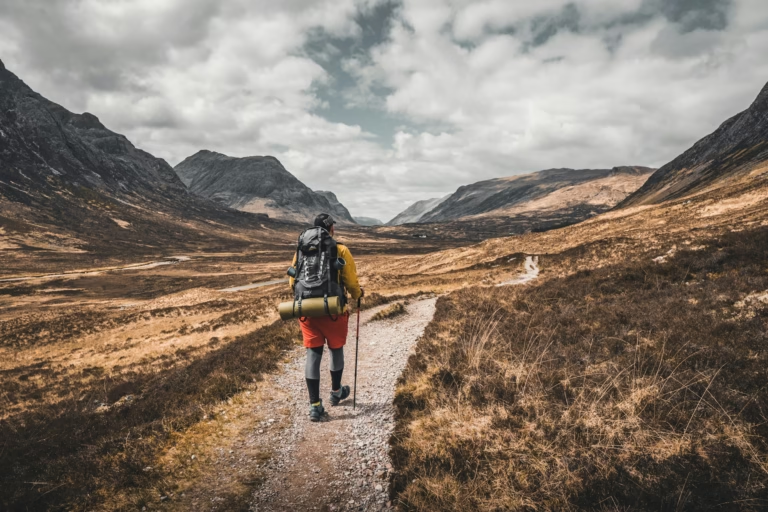
Planning a 15-mile day hike or multi-day backpacking trip sounds exciting until about mile 8, when your legs start screaming, and you realize you've seriously underestimated what your body can handle. The gap between "I think I can do this" and actually completing a long hike comes down to one thing: proper training.
Long hikes demand more than just showing up with decent boots and a positive attitude. They require cardiovascular endurance to keep moving for hours, leg strength to handle steep climbs and descents, core stability for carrying a loaded pack, and mental toughness to push through when everything hurts. Skip the training, and you'll pay for it, either through misery during the hike or potential injury that cuts your trip short.
The good news? Learning how to train for a long hike follows a pretty straightforward progression. Build gradually, train specifically for what you'll actually encounter, and give your body time to adapt. Rush the process, and you're setting yourself up for disappointment. Follow a smart plan, and you'll actually enjoy that challenging trail you've been dreaming about.
What Your Body Actually Needs for Long Hikes
Training for long hikes means developing several interconnected physical systems that all work together when you're out there grinding through miles.
- Cardiovascular endurance keeps you moving hour after hour without gasping for air or needing constant breaks. Long hikes are essentially extended cardio sessions, often lasting 6-12 hours. Your heart and lungs need to efficiently deliver oxygen to working muscles for sustained periods, not just short bursts.
- Leg strength and muscular endurance power every step, especially on hills. Quads handle the pounding during descents, preventing knee pain and instability. Glutes and hamstrings drive you uphill without burning out. Calves stabilize ankles on uneven terrain. These muscles need both strength for challenging sections and endurance to keep firing mile after mile.
- Core strength and stability matter way more than most people realize. A strong core supports your spine while carrying a pack, prevents lower back pain during long days, and helps maintain good posture when fatigue sets in. Weak cores lead to slouching, which throws off your whole body mechanics and makes everything harder.
- Joint mobility and flexibility keep you moving smoothly and reduce injury risk. Tight hips and ankles limit your stride and make uneven terrain harder to handle. Good flexibility in major muscle groups prevents strains and allows your body to move efficiently through its full range of motion.
Trainer's Choice
Best for building trail-ready fitness
Training for a long hike means breaking in boots, loading a pack, and building cardiovascular endurance. Below is the running and trail-fitness collection that has everything you need to simulate real conditions before the big day.
- Oakley Shop training gear at Oakley
- Mountain Hardwear Shop training gear at Mountain Hardwear
- Columbia Sportswear Shop training gear at Columbia Sportswear
- Sorel Shop training gear at Sorel
- Garmin Shop training gear at Garmin
Building Your Training Foundation
Before diving into long training hikes, spend a few weeks building baseline fitness if you're starting from a sedentary lifestyle. Walking regularly, doing basic strength training, and establishing a consistent exercise habit create the foundation for more specific preparation.
Essential Training Components
Your weekly training schedule when learning how to train for long hikes should include:
- Cardio work 3-4 times weekly: Mix steady-state efforts like 45-60 minute walks at moderate intensity with harder interval work such as hill repeats, stair climbing, or faster-paced hiking
- Strength training 2-3 sessions: Focus on squats, lunges, step-ups, and deadlifts for legs, plus planks and dead bugs for core stability
- Flexibility work 10-15 minutes daily: Stretch hip flexors, hamstrings, quads, and calves after workouts when muscles are warm
- Rest days 1-2 per week: Recovery is when your body actually adapts and gets stronger
For strength exercises, aim for higher repetitions (12-15 reps) to build muscular endurance rather than just maximum strength. This matches the demands of hiking, which requires muscles to work consistently for hours rather than producing short bursts of power.
Yoga or dedicated mobility sessions once or twice weekly keep joints moving freely and prevent the tightness that develops from repetitive hiking motions. Don't skip this part thinking it's not "real" training. Mobility work directly prevents the injuries that derail preparation plans.
Specific Training That Actually Mimics Real Hiking
General fitness helps, but nothing prepares you for long hikes quite like actually hiking with progressively longer distances and elevation gains.
Simulation Hikes Build Real-World Readiness
The absolute best way to train for long hikes involves doing progressively longer hikes that mimic what you'll face on your goal trip. This exposes your body to the specific demands of extended time on trail while testing gear, pacing, and nutrition strategies.
Start with comfortable distances you can already handle, then add 1-2 miles per week to your longest training hike. If you're preparing for a 15-mile day, work up to at least 12-13 miles in training. Aiming for a multi-day backpacking trip? Build to at least 75% of your planned daily mileage with a loaded pack.
Key elements to incorporate into simulation hikes:
- Similar elevation gain: Flat trail miles are totally different from mountain hiking; find hills, stairs, or parking garages to add vertical challenge
- Proper footwear: Wear the boots you'll use on the actual trip to break them in gradually and prevent blisters
- Loaded pack: Practice with the weight you'll carry to find comfortable distribution and identify pressure points
- Realistic pacing: Move at the speed you plan to use on the actual hike, not your fastest possible pace
Many hikers use weighted vests or stadium stairs to simulate elevation when geography limits options. The goal is to make your training as specific as possible to the actual demands you'll face.
Long Training Days Teach Your Body to Keep Going
Once weekly, dedicate a full day to a long training hike that pushes your current limits. These extended sessions teach your body to keep functioning when fatigue sets in and mental toughness starts mattering as much as physical fitness.
These long days should gradually increase in duration, not just distance. If your goal hike will take 8-10 hours, work up to 6-8 hour training sessions. Time on feet matters as much as miles covered, especially when you factor in breaks, photo stops, and the generally slower pace of loaded backpacking.
Start these long training hikes 8-12 weeks before your goal trip. Begin conservatively and build volume gradually. Jumping from 5-mile hikes to sudden 15-milers is how people get injured and derail their entire training plan.
Back-to-Back Training Days Simulate Multi-Day Trips
If you're preparing for multi-day backpacking, your body needs experience hiking on tired, sore legs. Training for long hikes that span multiple days requires occasional back-to-back training sessions that mimic the cumulative fatigue of consecutive hiking days.
Schedule weekend training where you hike moderate distances both Saturday and Sunday. Start with something manageable, like 6-8 miles each day, then gradually increase as fitness improves. This teaches your body to recover partially overnight and keep going the next day despite residual soreness.
These back-to-back sessions also reveal how your body responds to consecutive days of exertion. Some people bounce back easily, while others need more recovery time. Understanding your personal patterns helps with pacing strategy during the actual trip.
Fueling Your Training and Your Hikes
Physical training only works if you're providing adequate nutrition and hydration to support the increased activity. Proper fueling prevents bonking during long training days and helps your body recover and adapt between sessions.
Hydration Strategy
Hydration discipline starts during training, not on the actual hike. Practice drinking regularly throughout the day, aiming for pale yellow urine as a simple hydration indicator. During training hikes, sip water consistently rather than chugging large amounts at once. This trains both your bladder to handle regular intake and your habits to include frequent hydration.
Electrolyte replacement becomes important on hikes lasting several hours, especially in hot conditions. Practice using electrolyte tablets, sports drinks, or salty snacks during training to find what works for your system without causing stomach issues.
Nutrition for Endurance
Nutrition for training and hiking focuses on balanced, whole foods that provide sustained energy:
- Complex carbohydrates: Oats, rice, quinoa, and whole-grain bread fuel long efforts and should comprise 50-60% of your diet
- Lean proteins: Chicken, fish, beans, and tofu support muscle recovery; aim for 20-30% of daily calories
- Healthy fats: Nuts, avocados, and olive oil provide dense calories for extended activity; target 20-30% of intake
- Trail-friendly snacks: Trail mix, energy bars, dried fruit, and nut butter packets offer quick calories without requiring stops
During training hikes, practice eating small amounts frequently rather than waiting until you're starving. Test different options during training to identify what your stomach tolerates during exercise. Some people handle sweet foods well while hiking, while others prefer savory options.
According to research from the American College of Sports Medicine on nutrition and athletic performance, proper hydration and fueling strategies significantly impact endurance performance and recovery.
Mental Training Matters More Than You Think
Physical preparedness gets you partway there, but mental strength determines whether you actually finish when the going gets tough. Long hikes inevitably include low points where doubt creeps in and quitting sounds tempting.
Visualization techniques help build mental resilience before you even hit the trail. Spend a few minutes regularly imagining yourself on the hike, handling challenging sections calmly, and pushing through fatigue with determination. Mental rehearsal creates neural pathways that make the actual experience feel more familiar and manageable.
Positive self-talk during training days establishes patterns that carry over to the real hike. Replace "I can't do this" with "This is hard, but I'm handling it" or "I've trained for this." These aren't empty affirmations but realistic acknowledgments that difficult moments are normal and temporary.
Quick overview





Mental preparation strategies that work:
- Expect low points: Every long hike includes discomfort, fatigue, or frustration; knowing this prevents panic when it happens
- Practice pushing through: During training, continue through uncomfortable moments rather than immediately stopping
- Break distances into chunks: Focus on reaching the next landmark rather than fixating on total miles remaining
- Build confidence gradually: Successfully completing progressively longer training hikes proves you can handle the real thing
Break long distances into manageable chunks mentally. Instead of fixating on "12 more miles," focus on reaching the next landmark, water source, or rest break. This makes intimidating distances feel achievable.
Tracking Progress Keeps You Honest
Consistent training requires monitoring what you're actually doing versus what you think you're doing. Tracking mileage, elevation gain, and how you feel reveals patterns and ensures steady progress toward your goal.
Simple logs work fine. Record each training hike's distance, elevation, time, and how you felt. Note any gear issues, nutrition problems, or particularly good days. This information helps identify what's working and what needs adjustment.
Set intermediate goals that build toward the main event. If training for a challenging 20-mile hike in three months, aim to complete 10 miles comfortably by week 6, 15 miles by week 9, and 18 miles by week 11. These benchmarks provide motivation and confirm you're on track.
Apps like AllTrails, Strava, or simple spreadsheets make tracking easy without overcomplicating things. The point is accountability and visible progress, not obsessing over every metric.
Putting It All Together
Learning how to train for long hikes comes down to consistent, progressive preparation across multiple areas. Cardiovascular fitness provides the engine for sustained effort. Strength and mobility prevent injury and maintain good movement patterns. Specific hiking practice teaches your body exactly what it needs to do. Proper nutrition fuels the whole process. Mental preparation carries you through tough moments when physical training isn't enough.
Start your training 8-12 weeks before a goal hike, longer if you're starting from low fitness levels or preparing for something particularly challenging. Build gradually rather than rushing progress. Listen to your body and back off if pain or excessive fatigue appears. Training injuries derail preparation far more effectively than taking an extra rest day.
The beauty of structured training is the confidence it provides. Standing at a trailhead knowing you've put in the work transforms nervousness into excitement. When challenges arise during the hike, you've already handled similar situations in training. That preparation makes all the difference between struggling through a miserable experience and genuinely enjoying an accomplishment you've earned through consistent effort.