The difference between a fantastic hiking trip and a miserable slog often comes down to what happened before you even hit the trail. Proper preparation transforms potential disasters into minor inconveniences, while lack of planning turns beautiful outdoor experiences into uncomfortable or downright dangerous situations.
Knowing how to prepare for a hiking trip means more than just throwing some snacks in a bag and hoping for the best. It involves thoughtful route selection, strategic packing, weather awareness, and realistic assessment of your abilities. The good news is that hiking preparation doesn't need to be complicated or time-consuming. A systematic approach covering the key areas ensures you're genuinely ready for whatever the trail throws at you.
Whether you're planning a short afternoon hike or a challenging all-day trek, following proven preparation steps sets you up for success. This guide walks through everything needed to prepare for hiking trip adventures safely and enjoyably.
Planning Before You Pack
Smart preparations for hiking start well before you touch your backpack. The planning phase determines whether your chosen trail actually matches your abilities and whether conditions will cooperate.
Pre-Trip Planner's Pick
Best for one-stop trip preparation
Good trip prep means checking off gear, food, navigation, and safety in the days before you leave. Below is the camping & hiking hub that makes it possible to handle the gear portion of your prep in a single session, with filters for activity type and trip length.
- Oakley Shop hiking gear at Oakley
- Mountain Hardwear Shop hiking gear at Mountain Hardwear
- Columbia Sportswear Shop hiking gear at Columbia Sportswear
- Sorel Shop hiking gear at Sorel
- Garmin Shop hiking gear at Garmin
Choosing Trails That Match Your Abilities
Honest skill assessment prevents biting off more than you can chew. Consider your current fitness level, hiking experience, and how much time you have available. A trail rated "moderate" might feel easy to experienced hikers but overwhelming to beginners.
Key factors when selecting appropriate trails:
- Distance: Start conservative if you're new to hiking; 3-5 miles feels manageable while 10+ mile days require more fitness
- Elevation gain: 1,000 feet of climbing adds significant challenge compared to flat terrain
- Trail conditions: Well-maintained paths differ dramatically from rough, rocky, or overgrown routes
- Technical difficulty: Some trails require scrambling over boulders or navigating exposed sections
Research trails through resources like AllTrails, local hiking groups, or recent trip reports. These provide realistic difficulty assessments and current conditions that official descriptions sometimes gloss over.
Weather and Timing Considerations
Weather dramatically impacts hiking safety and enjoyment. Check detailed forecasts before finalizing plans, paying attention to temperature ranges, precipitation chances, and wind speeds. Mountain weather changes faster than valley conditions, so build in safety margins.
Seasonal timing affects what you'll encounter on trail. Spring brings muddy conditions and swollen stream crossings. Summer offers long daylight but potential heat stress. Fall provides ideal temperatures but shorter days. Winter adds snow, ice, and cold weather challenges requiring specialized preparation.
Time of day matters too. Starting early provides daylight buffer if the hike takes longer than expected, avoids afternoon heat during summer, and allows flexibility if you need to turn back for any reason.
Sharing Your Plans
Always tell someone your hiking plans before leaving. This simple step is crucial for hiking preparation that many people skip. If something goes wrong and you don't return as expected, someone knows where to send help.
Share specific details including:
- Trail name and location
- Expected departure and return times
- Emergency contact numbers
- Vehicle description and where you're parking
Apps like AllTrails allow real-time location sharing with chosen contacts. This works great when cell service exists but don't rely solely on technology. Leave a physical note with plans in your vehicle as backup.
Packing Smart: Essential Gear for Any Hike
Knowing how to prepare for hiking means packing the right gear without overloading yourself with unnecessary weight. Strategic packing covers essentials while keeping your pack manageable.
Quick overview





Choosing and Loading Your Backpack
Daypack size should match trip length. A 15-20 liter pack handles short hikes, while 25-30 liters accommodates longer treks requiring extra layers, food, and safety gear. Look for padded shoulder straps, breathable back panels, and hip belts that transfer weight off shoulders.
Pack heavy items close to your back and centered vertically. This keeps weight balanced rather than pulling you backward. Frequently needed items like snacks, water, and sunscreen go in external pockets for easy access without unpacking everything.
Clothing Strategies for Changing Conditions
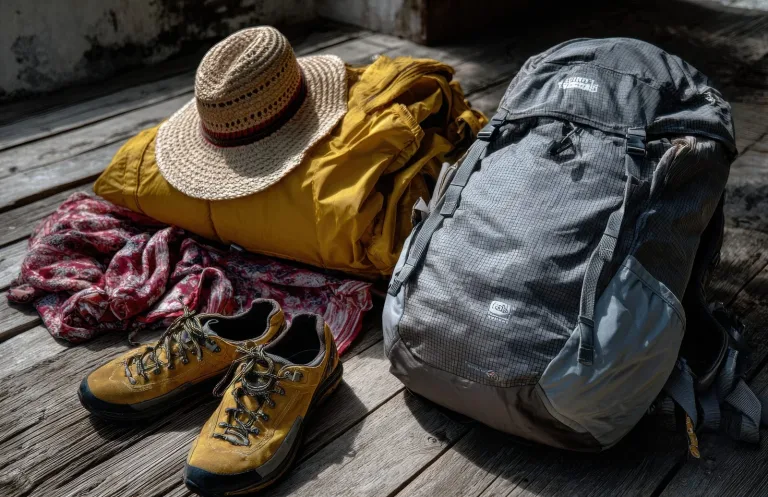
Weather shifts during hikes, especially in mountains. Layering systems adapt to temperature changes and activity levels without requiring complete wardrobe changes.
The proven three-layer approach for preparations for hiking includes:
- Base layer: Moisture-wicking synthetic or merino wool that pulls sweat away from skin (never cotton)
- Mid layer: Fleece or light insulation for warmth when needed
- Outer shell: Waterproof, windproof jacket that blocks elements while breathing
Pack extra socks and a warm hat even on warm days. Conditions change, and wet feet or cold extremities ruin hikes quickly. Lightweight rain gear weighs almost nothing but proves invaluable when storms roll in unexpectedly.
Hydration and Nutrition Planning
Dehydration and low energy from inadequate food are completely preventable problems that affect many unprepared hikers. Carry more water than you think necessary, at least 1 liter per 2-3 miles of hiking, adjusted for heat and exertion level.
Hydration bladders with drinking tubes encourage frequent sipping, preventing the dehydration that sneaks up when people avoid stopping to dig out water bottles. Water bottles work fine too, just require more discipline about drinking regularly.
Pack high-calorie, non-perishable snacks that provide quick energy:
- Trail mix with nuts and dried fruit
- Energy bars or granola bars
- Jerky for protein
- Nut butter packets for calorie density
Eat small amounts frequently rather than waiting until you're starving or feeling weak. Maintaining steady energy levels prevents the bonking that makes the last few miles feel impossible.
First Aid and Emergency Essentials
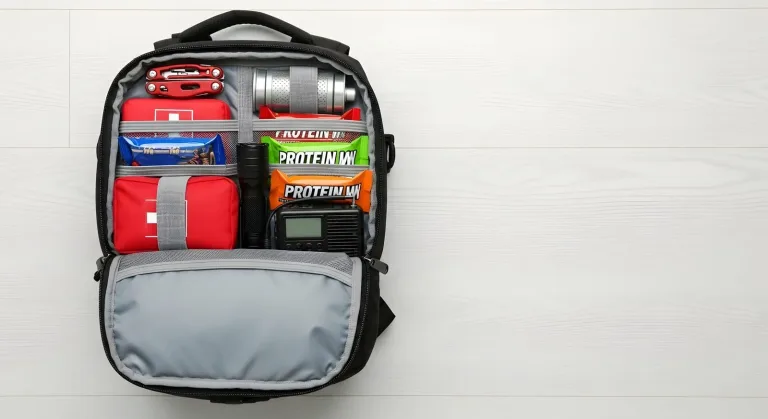
Basic first aid supplies handle the minor injuries that commonly occur on trails. A compact kit should include:
- Adhesive bandages in various sizes
- Blister treatment (moleskin or blister pads)
- Antiseptic wipes for cleaning wounds
- Pain relievers like ibuprofen
- Any personal medications
- Tweezers for splinters or ticks
- Small gauze pads and medical tape
Emergency gear rounds out safety preparations. A lightweight emergency blanket or bivy sack provides critical warmth if you get stuck out overnight. Waterproof matches or lighter enable fire-starting. A whistle carries sound farther than yelling for attracting attention.
Navigation Tools You Can Trust
GPS on smartphones works great until phones die, get dropped in water, or lose signal in canyons. Smart hiking preparation includes reliable backup navigation that doesn't depend on batteries.
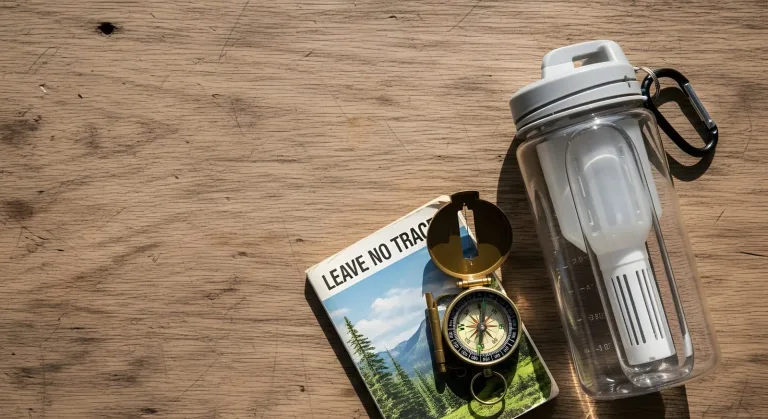
Carry physical topographic maps of your hiking area plus a working compass. Know how to use both before you need them in an emergency. Download offline maps to your phone as additional backup through apps like AllTrails or Gaia GPS.
Study your route before starting. Identify key landmarks, trail junctions, and potential bailout points if you need to cut the trip short. Understanding the general terrain helps you track progress mentally even if markers are unclear.
Trail-Specific Preparations
Different trails demand different preparation approaches. What works for desert hiking might fail completely in alpine conditions.
Researching Current Conditions
Trail conditions change constantly. Recent rain creates muddy sections. Spring snowmelt causes stream crossings to swell. Fallen trees might block paths. Winter adds snow and ice requiring specialized equipment.
Check recent trip reports from other hikers who've done the trail within the past week. These provide realistic conditions beyond what official trail descriptions mention. Ranger stations offer current conditions and any closures or hazards worth knowing.
Seasonal and Environmental Adaptations
How to prepare for a hiking trip varies dramatically by season and location. Desert summer hiking demands extra water, sun protection, and early morning starts to avoid dangerous afternoon heat. Mountain hiking requires preparation for rapid weather changes and potential afternoon thunderstorms.
Winter preparations for hiking add layers of complexity with insulated boots, traction devices for ice, extra insulation layers, and shorter daylight hours requiring earlier starts. Coastal trails might need tide tables to time sections safely.
Research what wildlife inhabits your hiking area and how to respond to encounters. Bear country requires bear spray and food storage knowledge. Snake-prone areas benefit from gaiters and awareness of where snakes sun themselves.
Mental Preparation Matters
Physical and logistical preparation gets most attention, but mental readiness significantly impacts hiking success and enjoyment.
Setting Realistic Expectations
Understand that hiking involves discomfort at times. Legs will get tired. You might get hungry, thirsty, hot, or cold. Weather might not cooperate perfectly. These aren't failures or emergencies, just normal aspects of outdoor recreation.
Set flexible goals that allow turning back if conditions warrant. Summiting isn't worth injury or getting caught in dangerous weather. The trail will still be there for another attempt when conditions are better.
Building Mental Toughness
Longer hikes inevitably include low points where discomfort peaks and continuing feels hard. Mental preparation acknowledges these moments happen and builds strategies for pushing through them.
Break intimidating distances into manageable chunks. Instead of fixating on "8 more miles," focus on reaching the next landmark or rest point. This makes large numbers feel achievable rather than overwhelming.
Practice positive self-talk during training hikes. Replace "I can't do this" with realistic affirmations like "This is challenging but I'm handling it" or "I've trained for exactly this situation." These patterns established during preparation carry over when you actually need them.
According to research from the American Hiking Society on outdoor recreation benefits, mental preparation and realistic goal-setting contribute significantly to positive outdoor experiences and continued participation.
Final Thoughts: Preparation Pays Off
Learning how to prepare for hiking properly requires some upfront effort, but the payoff is massive. Well-prepared hikers enjoy trails rather than suffering through them. They handle unexpected situations calmly because they've planned for contingencies. They return home tired but satisfied rather than exhausted, injured, or traumatized.
Start your hiking preparation well before the actual trip. Last-minute scrambling leads to forgotten items and poor decisions. Give yourself time to research trails thoroughly, test gear on shorter hikes, build necessary fitness, and develop confidence through experience.
The most important aspect of prepare for hiking trip planning is matching preparation intensity to actual trip demands. A casual two-hour nature walk needs far less preparation than a challenging all-day mountain trek. Scale your efforts appropriately while never skipping the true essentials: telling someone your plans, carrying enough water, bringing basic first aid supplies, and having reliable navigation tools.
With thoughtful planning, strategic packing, and realistic expectations, hiking becomes the rewarding outdoor experience it should be rather than a stressful ordeal. The trail is waiting. Now you know exactly how to get ready for it.