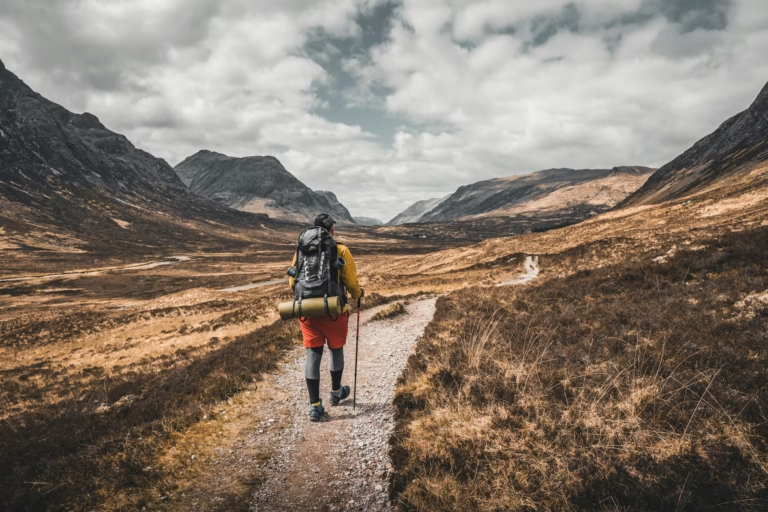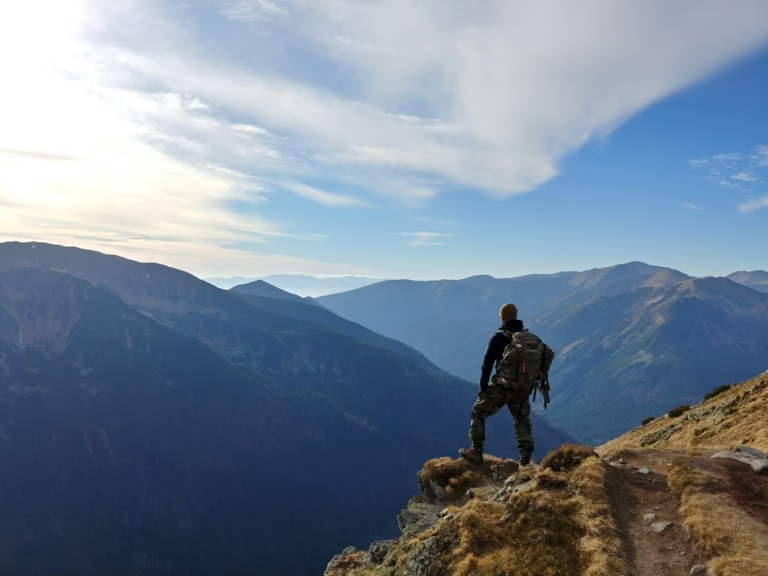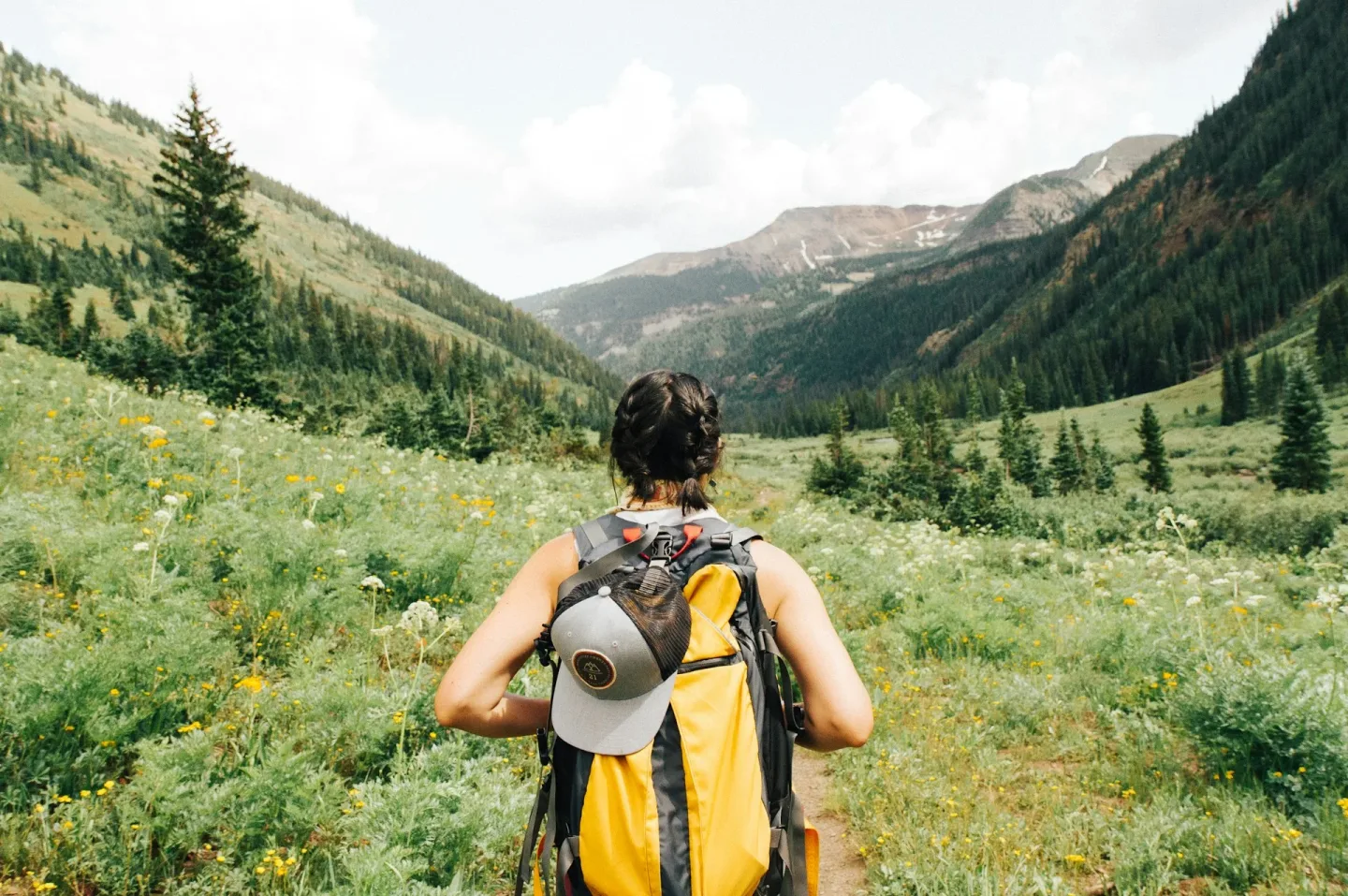
Choosing the right summer hiking clothes is the single most impactful decision you'll make before stepping on a trail. Get it right, and a 12-mile day feels manageable. Get it wrong, and you'll be dealing with chafing, overheating, or sunburn by mile three.
Summer hiking clothes are garments specifically designed for physical activity in warm, often exposed conditions. Unlike everyday casual wear, they're built to manage sweat, block UV rays, dry fast, and keep you moving comfortably for hours on end.
Long day hikes in summer put your body and your outfit through a lot. You're sweating hard on climbs, chilling out on ridge lines when the breeze picks up, and dealing with sun on open exposed sections, then tree shade, then maybe a surprise afternoon storm. No single piece of clothing handles all of that. But the right full outfit does. This guide breaks down exactly what to wear, why it matters, and what to skip.
Why Your Summer Hiking Outfit Matters More Than You Think
Your clothing directly affects how your body manages heat, which affects how long you can hike safely and comfortably. According to the Outdoor Foundation's Outdoor Participation Trends Report, 2023, over 60 million Americans hike each year, and heat-related fatigue is one of the top reasons day hikers cut trips short or turn back early.
A lot of hikers underestimate this. They figure: it's just a hike, any clothes will do. But there's a real gap between casual summer clothes and purpose-built summer hike clothes, and that gap shows up fast once you're two hours in and still miles from the car.
Why Regular Gym Clothes Often Fall Short
Gym clothes seem like a reasonable swap, but they're made for indoor, climate-controlled environments. They trap heat differently, they're often not UPF-rated, and the fit isn't always right for sustained trail movement.
A moisture-wicking gym tank might work for a 45-minute treadmill session. On a four-hour hike, the same shirt can leave you feeling wet and heavy long before you reach the summit.
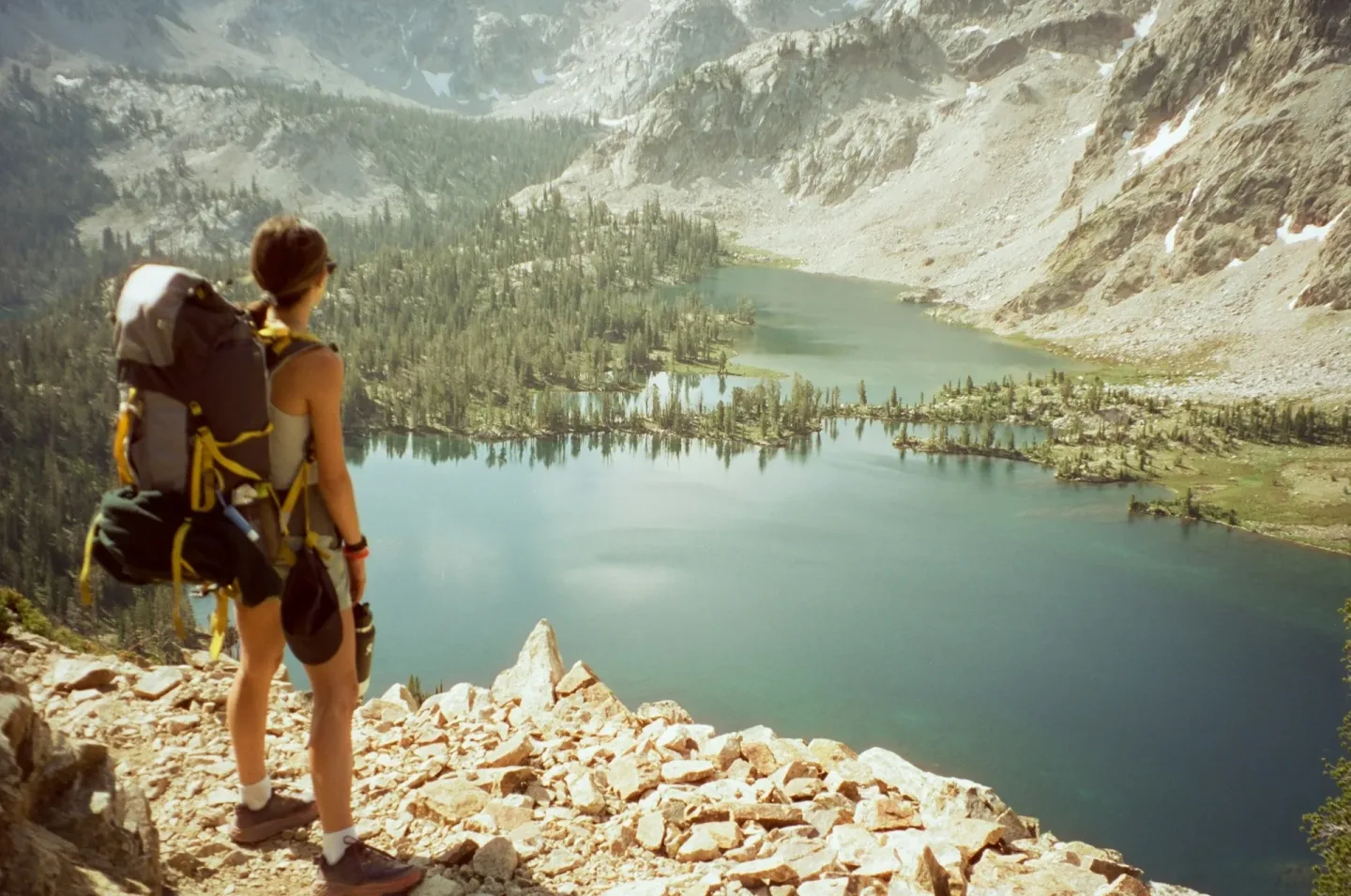
What Makes Long Day Hikes Different
Short hikes are more forgiving. You're out for an hour, the sun hasn't peaked yet, and you haven't started sweating enough for clothing choice to make a big difference.
Long day hikes change that equation. You're on the trail for 6 to 10 hours, conditions shift, your body generates sustained heat, and small discomforts compound. A slightly rough seam becomes a real blister. A mildly warm shirt becomes a problem when you've been sweating through it since 8 AM.
Common Mistakes Hikers Make With Summer Hike Clothes
- Wearing cotton. It absorbs sweat and stays wet, making you feel heavier and colder when you stop.
- Choosing style over function. Dark colors look cool, but absorb more heat on exposed sunny trails.
- Skipping sun protection layers. A short-sleeve shirt on a 6-hour ridgeline hike without a UPF rating is asking for a bad sunburn.
- Never testing gear before a big hike. New shoes and untested socks on a 10-miler are a recipe for blisters.
- Forgetting a light outer layer. Even on hot days, sudden storms or high-elevation winds can drop temperatures fast.
What to Wear Hiking in Summer: Full Outfit Breakdown
Here's a practical, head-to-toe guide for building a complete summer hiking outfit that actually works on long trails.
1. Moisture-Wicking Hiking Shirt
The right hiking shirt is the foundation of any solid summer hiking outfit. It needs to pull sweat away from your skin and release it into the air so you don't spend the day feeling damp.
Skip cotton entirely. Cotton absorbs moisture and holds it against your skin. On a cool day, that's just uncomfortable. On a hot day, wet clothing adds weight and raises your risk of heat exhaustion.
The best fabrics for summer hiking shirts:
- Polyester - lightweight, fast-drying, retains shape well
- Nylon - slightly more durable, also quick-drying
- Merino wool blends - excellent temperature regulation, naturally odor-resistant, softer against the skin than synthetic fibers
Short sleeve vs. long sleeve: Short sleeves feel cooler initially, but a long-sleeve UPF 50+ shirt protects you from the sun without sunscreen, especially on exposed ridges or alpine routes. Many hikers actually prefer lightweight long sleeves for full-day summer hikes.
UPF ratings matter. A shirt rated UPF 50+ blocks 98% of UV radiation. For hikes above the treeline or in desert environments, this protection is worth every penny.
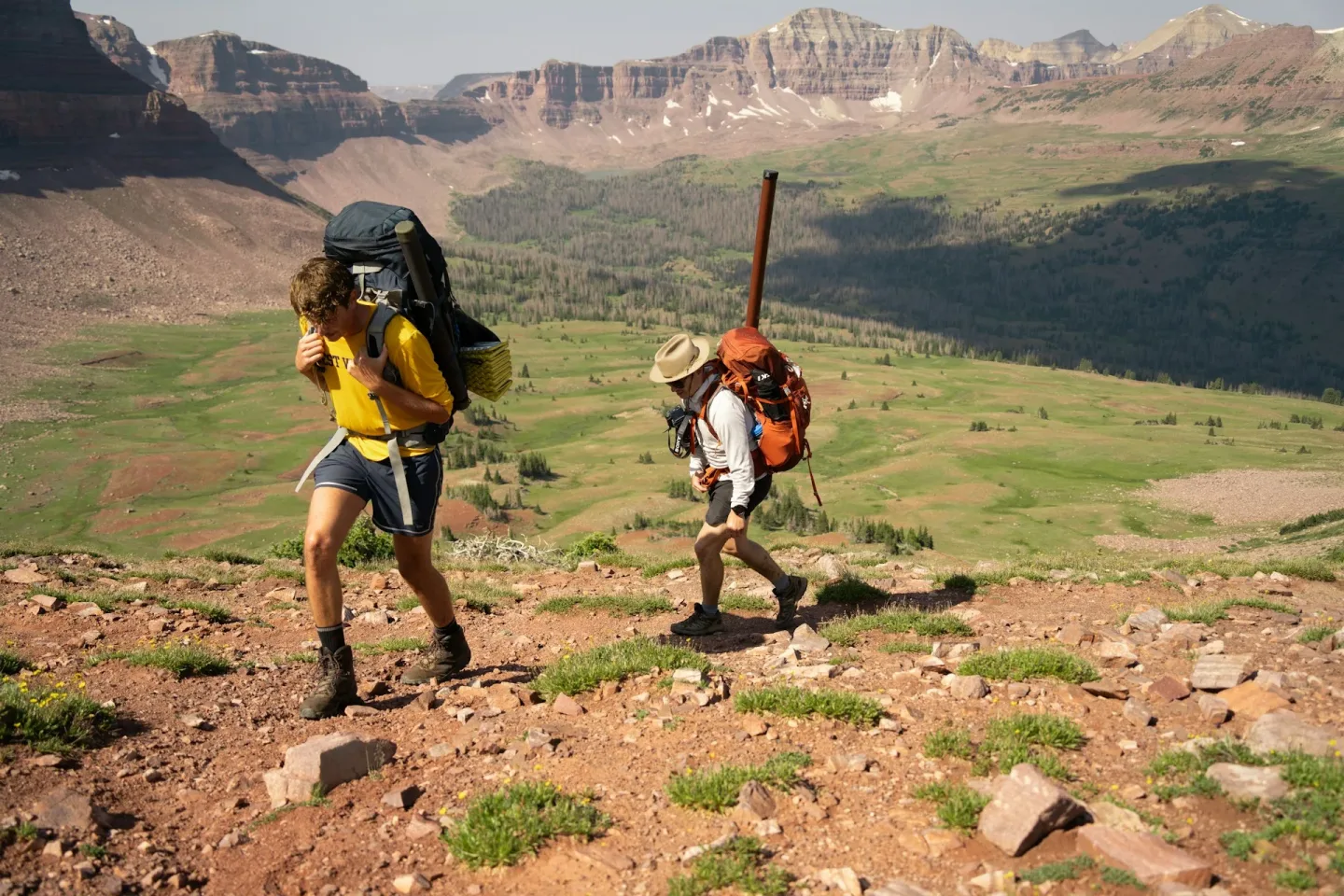
2. Lightweight Hiking Pants or Shorts
Choosing between shorts and pants is mostly a question of terrain and conditions.
When shorts make sense:
- Well-maintained, clear trails with minimal brush
- Lower elevation hikes with strong tree cover
- Shorter distances where sun exposure is limited
When lightweight pants are better:
- Exposed ridgelines or alpine terrain with heavy sun
- Trails through dense brush (hello, ticks and scratches)
- Routes that gain significant elevation where temperatures drop
Convertible pants are a strong middle-ground option. They zip off at the knee, so you start the morning with full coverage and convert to shorts when the trail warms up. Not the most stylish option, but genuinely useful on long hikes with variable conditions.
Whatever you pick, look for four things: stretch (for climbing and scrambling), breathability (mesh panels help), quick-dry fabric, and a secure waistband that won't slip when your pack's hip belt is cinched.
3. Breathable Base Layers and Underwear
This is the most underrated part of clothes for summer hiking, and ignoring it leads to one of the most miserable trail experiences: chafing.
Moisture control starts at the base. Sweat builds up fastest in places where skin meets skin or where tight clothing presses against you. The right base layer moves that moisture out before it becomes a problem.
What to look for:
- Seamless or flat-seam construction to reduce friction
- Synthetic blends or merino wool, never cotton
- A snug but not constricting fit - loose underwear bunches and causes rubbing
For women: A well-fitted sports bra rated for high activity is essential. Standard bras chafe during sustained hiking. Look for wide straps, moisture-wicking fabric, and a secure band that doesn't shift when you're on a steep descent.
Anti-chafe balm is a smart backup, but it's not a substitute for good base layers.
4. Hiking Socks for Hot Weather
Most hikers think hard about their shoes and then grab any socks. That's a mistake.
Socks are part of your summer hiking clothes system. They sit right at the friction zone between your foot and your shoe, manage heat and moisture in the most blister-prone area of your body, and make a measurable difference over long miles.
Merino wool vs. synthetic:
| Feature | Merino Wool | Synthetic (Polyester/Nylon) |
| Moisture wicking | Excellent | Very good |
| Odor control | Excellent | Moderate |
| Temperature regulation | Excellent | Good |
| Durability | Moderate | High |
| Price | Higher | Lower |
| Feel | Softer | Varies |
For long day hikes, merino wool socks are worth the extra cost. They regulate temperature better, which matters when your feet are generating heat for 8 hours straight.
Cushion level: Look for a light-to-medium cushion for summer hikes. Heavy cushion adds warmth you don't want in the heat. Too thin and you lose blister protection on long descents.
Fit matters as much as material. A sock that slides or bunches is a blister waiting to happen. Make sure your hiking socks fit snugly without cutting off circulation.
5. Summer Hiking Footwear
What to wear to hike in summer on your feet comes down to ankle support vs. ventilation.
Trail runners have become the go-to for many experienced day hikers. They're lighter than traditional boots, more breathable, and dry faster. For well-maintained trails and moderate terrain, they're often the right call.
Hiking shoes (low-cut, stiffer soles than trail runners) are a middle ground. More structure and grip than trail runners, less weight and heat than boots.
Lightweight hiking boots make sense when the terrain is rough, off-trail travel is involved, or you need more ankle protection. The tradeoff is heat - boots trap it.
A note on waterproof footwear in summer: Waterproof membranes like Gore-Tex keep water out, but they also reduce breathability significantly. On a hot summer day with no rain in the forecast, non-waterproof shoes or trail runners will keep your feet far cooler and drier from sweat. Save the waterproof boots for wet shoulder seasons.
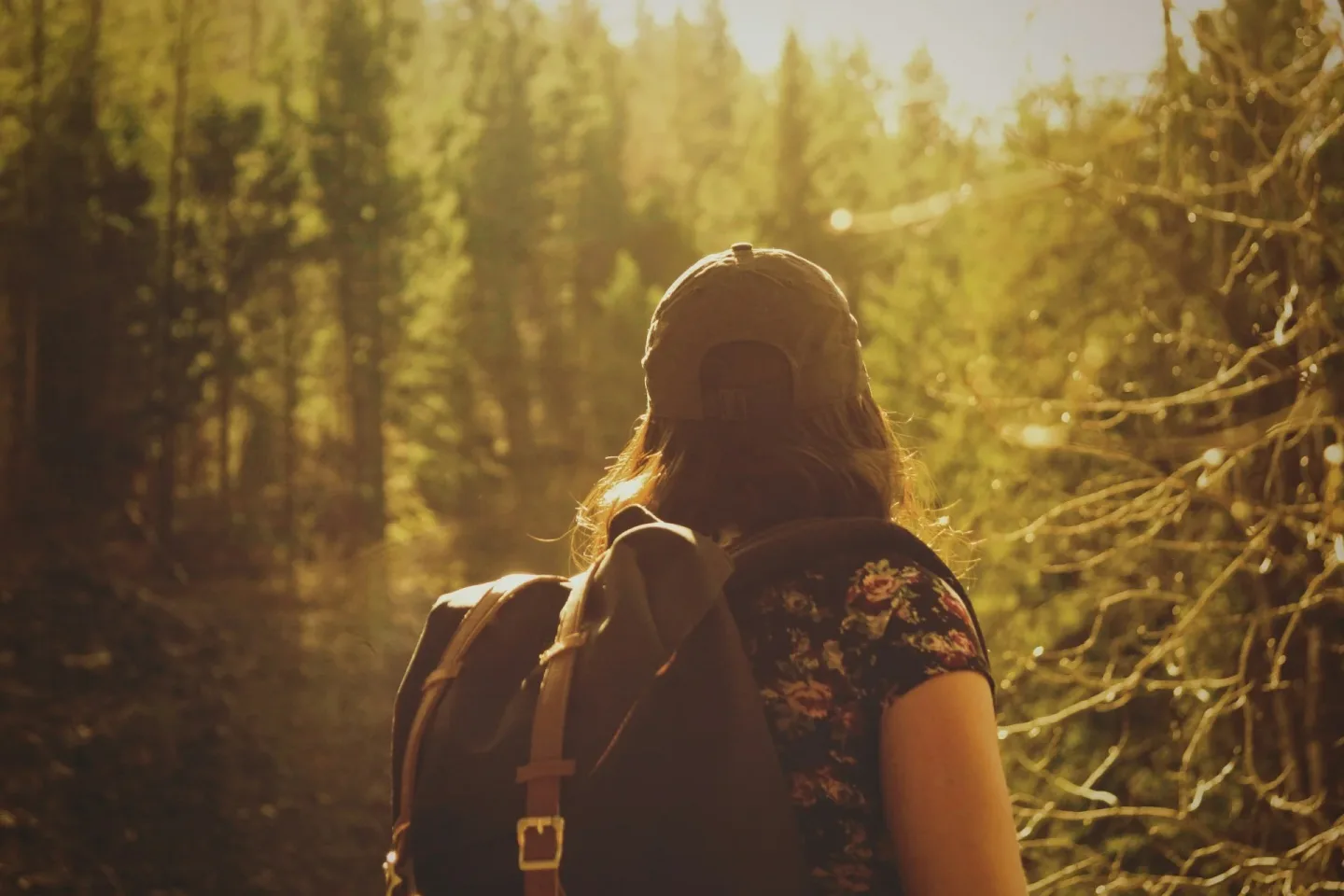
6. Sun Protection Accessories
Sun protection is part of what to wear hiking in summer, not a separate afterthought.
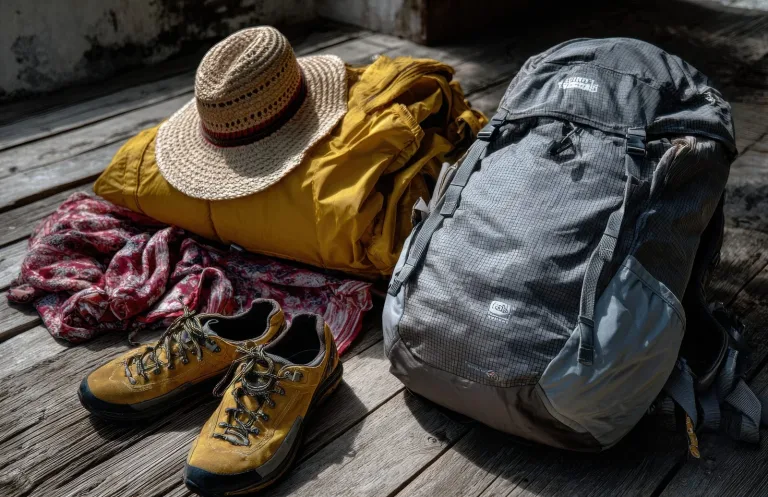
Hat: A wide-brim hat (3-inch brim or more) protects your face, neck, and ears, which are areas sunscreen misses with sweat. Baseball caps work, but leave your neck and ears exposed. For exposed hikes, a wide-brim hat wins.
Sunglasses: Look for wrap-around lenses with UV400 protection. Polarized lenses cut glare on snow, water, and rocky surfaces. Cheap sunglasses without a UV rating actually make things worse - your dilated pupils let in more UV.
Neck gaiter: A lightweight, UPF-rated neck gaiter does double duty: sun protection and dust filtering. Some hikers also use sun hoodies, a long-sleeve UPF shirt with a built-in hood, as a single-piece sun protection solution.
Lightweight gloves: Optional for most summer hikes, but if you're on an exposed ridgeline for hours, your hands will thank you.
7. Light Outer Layer
Even on a hot summer day, a packable outer layer belongs in your pack.
Mountain weather is unpredictable. An afternoon thunderstorm can roll in fast, especially at elevation. Temperatures drop sharply once the sun goes behind clouds or you gain 2,000 feet. Starting a hike at 6 AM when it's 55°F means you need something to wear for the first 90 minutes before the day warms up.
A lightweight, packable wind jacket or rain shell solves all of this. It should weigh under 300 grams, stuff into its own pocket, and be waterproof or, at a minimum, water-resistant. You may only wear it for 20 minutes out of an 8-hour hike, but those 20 minutes might be the most important.
What Are the Best Fabrics for Summer Hiking Clothes?
The right fabric makes technical clothing work. Here's a quick breakdown of what actually performs well for clothes for summer hiking:
| Fabric | Key Benefit | Best Used For |
| Nylon | Durable, quick-dry, abrasion-resistant | Pants, shorts, shells |
| Polyester | Lightweight, moisture-wicking, affordable | Shirts, base layers |
| Merino wool | Odor control, temp regulation, soft | Shirts, socks, base layers |
| Spandex/elastane blend | Stretch and mobility | Pants, leggings, shorts |
For a deeper dive into performance fabrics and layering strategy for every condition, see our guide to essential hiking clothes for every season and weather condition.
What Not to Wear Hiking in Summer
Knowing what to skip is just as useful as knowing what to wear. Here's what to leave at home.
Clothing That Works Against You in the Heat
- Cotton T-shirts are the most common mistake. They absorb sweat and keep it against your skin, making you feel wet, heavy, and cold when you stop moving. A cotton shirt that's comfortable at the start of a hike becomes a liability by hour three.
- Jeans or heavy pants restrict movement, trap heat, chafe badly when wet, and dry extremely slowly. Even a short stretch of stream crossing can leave you hiking in damp denim for hours.
- Dark, heavy clothing on exposed trails absorbs solar radiation and raises your body temperature faster than lighter colors. Light grey, white, and pale blue reflect more sunlight. It's a small thing that adds up over a long exposed hike.
Gear Mistakes That Lead to Blisters and Discomfort
- New, untested shoes on a long hike. Always break in footwear on shorter hikes first. New shoes, even great ones, create friction in unexpected places before the material softens to your foot shape.
- Thick socks in hot weather. Heavyweight hiking socks trap heat and increase sweating inside your shoes. Stick to light-to-medium weight socks in summer.
- Poorly fitted underwear or sports bras. Loose cotton underwear and non-sport bras are reliable chafe sources on long day hikes. Fit and fabric both matter.
For a complete overview of avoiding trail injuries and discomfort caused by gear choices, check out our guide on 5 common hiking injuries and how to avoid them.
The Best Summer Hiking Clothes Are Breathable, Quick-Drying, and Tested Before You Go
The most important takeaway: no single piece of clothing makes or breaks a summer hike. It's the full system that works. A great shirt paired with cotton underwear and untested shoes still leads to a bad day.
Choose your summer hiking outfit based on the specific conditions: trail type, elevation, distance, and expected weather. Breathable, moisture-wicking fabrics from collar to toe keep you comfortable. UPF-rated layers protect you from sun damage on exposed terrain. A packable outer layer handles the unexpected.
Test everything before you commit it to a long day. Short hikes are the best way to figure out what rubs, overheats, or just doesn't fit right before those problems show up 6 miles from the trailhead. Gear that's been on a few shorter hikes is gear you can trust on a big one.
Frequently Asked Questions
Are wool socks good for hiking in the summer?
Yes, merino wool socks are excellent for summer hiking. Despite being wool, merino is lightweight, breathable, and regulates temperature well in both heat and cold. It also resists odor better than synthetic materials, which is especially useful on long hikes. Choose light-to-medium-weight merino hiking socks for best comfort.
Can you wear hiking boots in the summer?
Yes, but it depends on the terrain. Lightweight hiking boots are ideal for rocky, uneven, or off-trail routes where ankle support and protection matter. For well-maintained summer trails, trail runners or low-cut hiking shoes are often more comfortable because they breathe better and dry faster in heat.
What base layers work for summer hiking?
Lightweight merino wool or synthetic moisture-wicking base layers work best for summer hiking. Look for breathable fabrics with flat seams to reduce chafing and a fit that is snug but not restrictive. Avoid cotton completely, as it traps moisture and increases overheating risk.
Can I wear a skirt when hiking in the summer?
Yes, hiking skirts are a practical option for warm-weather hikes. Choose quick-dry, stretchy materials with built-in shorts or liners to prevent chafing. They offer great ventilation and mobility on maintained trails, though extra coverage may be preferable in brush-heavy or off-trail terrain.
How do I stay cool while hiking in summer?
Staying cool starts with proper clothing: wear light-colored, moisture-wicking, and UPF-rated fabrics. Hike early in the morning or later in the day to avoid peak heat, stay consistently hydrated, take breaks in shaded areas, and wear a wide-brim hat. A damp bandana around the neck can also help reduce body temperature quickly.