Rocky Mountain National Park sprawls across more than 265,000 acres of pristine Colorado wilderness, offering over 350 miles of maintained trails that wind through some of the most stunning terrain in North America. From gentle lakeside strolls to challenging alpine ascents, the park delivers hiking experiences for everyone, whether you're lacing up boots for the first time or you're a seasoned backcountry explorer.
This guide cuts through the options to highlight the best hikes in Rocky Mountain National Park. These trails showcase what makes this park special: glacier-carved valleys, crystal-clear alpine lakes, thundering waterfalls, and sweeping mountain vistas. Whether you have a few hours or a full day, these picks offer the most memorable experiences for hikers planning their visit.
What Makes These Rocky Mountain Trails Different
What sets Rocky Mountain National Park hikes apart from other mountain destinations? The variety is unmatched, and the scenery changes dramatically with every thousand feet of elevation you gain.
Alpine Hiker's Pick
Best for conquering Rocky Mountain National Park
RMNP's elevation means cold mornings, afternoon thunderstorms, and thin air. These climbing and camping collections cover the full high-alpine gear list, from wind-resistant shells to insulated bottles that won't freeze on the summit.
- Oakley Shop high-alpine gear at Oakley
- Mountain Hardwear Shop high-alpine gear at Mountain Hardwear
- Columbia Sportswear Shop high-alpine gear at Columbia Sportswear
- Sorel Shop high-alpine gear at Sorel
- Garmin Shop high-alpine gear at Garmin
Trail Variety for Every Ability Level
The park's trail system caters to everyone. Paved paths circle accessible lakes, perfect for families with young kids or anyone wanting a gentle walk. Moderate trails climb steadily through forests to reach waterfalls and mountain lakes. Strenuous routes push into the high country, where rocky terrain and thin air test your limits.
Multiple Ecosystems on a Single Trail
Rocky Mountain National Park hikes take you through multiple zones in a single day. Start in montane forests filled with ponderosa pine. Climb higher into subalpine meadows where wildflowers explode with color. Push above treeline into alpine tundra, where only the hardiest plants survive. Add in glacial lakes, waterfalls, and wildlife ranging from elk to bighorn sheep, and the scenery never gets boring.
When to Hit the Trails
Summer through early fall offers the best conditions for most hikes in Rocky Mountain National Park. The park's high elevation means snow lingers well into the season. According to the National Park Service, Trail Ridge Road, which provides access to many popular trailheads, typically opens in late May but can see snow into June. High-elevation trails often stay snow-covered into July.
Late June through September provides the most reliable hiking conditions. Wildflowers peak in July, and autumn colors start showing up in September. Early morning starts help you avoid afternoon thunderstorms, which are common throughout the summer.
Expert Picks: Best Hikes in Rocky Mountain National Park
These trails represent the finest hiking the park offers, each delivering a distinct experience worth building your trip around.
Bear Lake to Emerald Lake Loop: Beginner Friendly
Trail Type: Moderate out-and-back with lake hopping
This route tops many lists of the best Rocky Mountain National Park hikes for good reason. Starting from the busy Bear Lake Trailhead, the trail climbs gently past three stunning alpine lakes, each more impressive than the last.
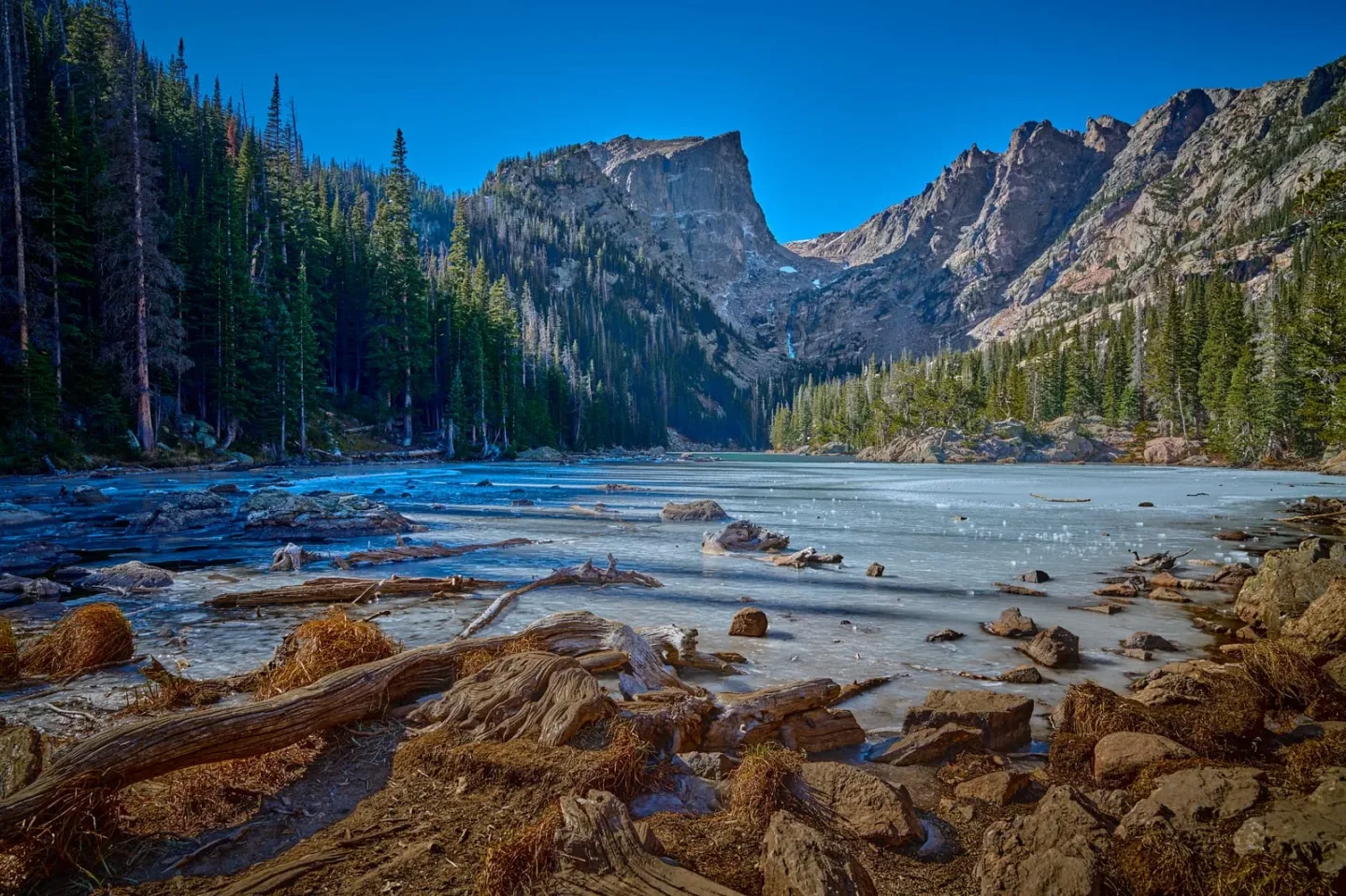
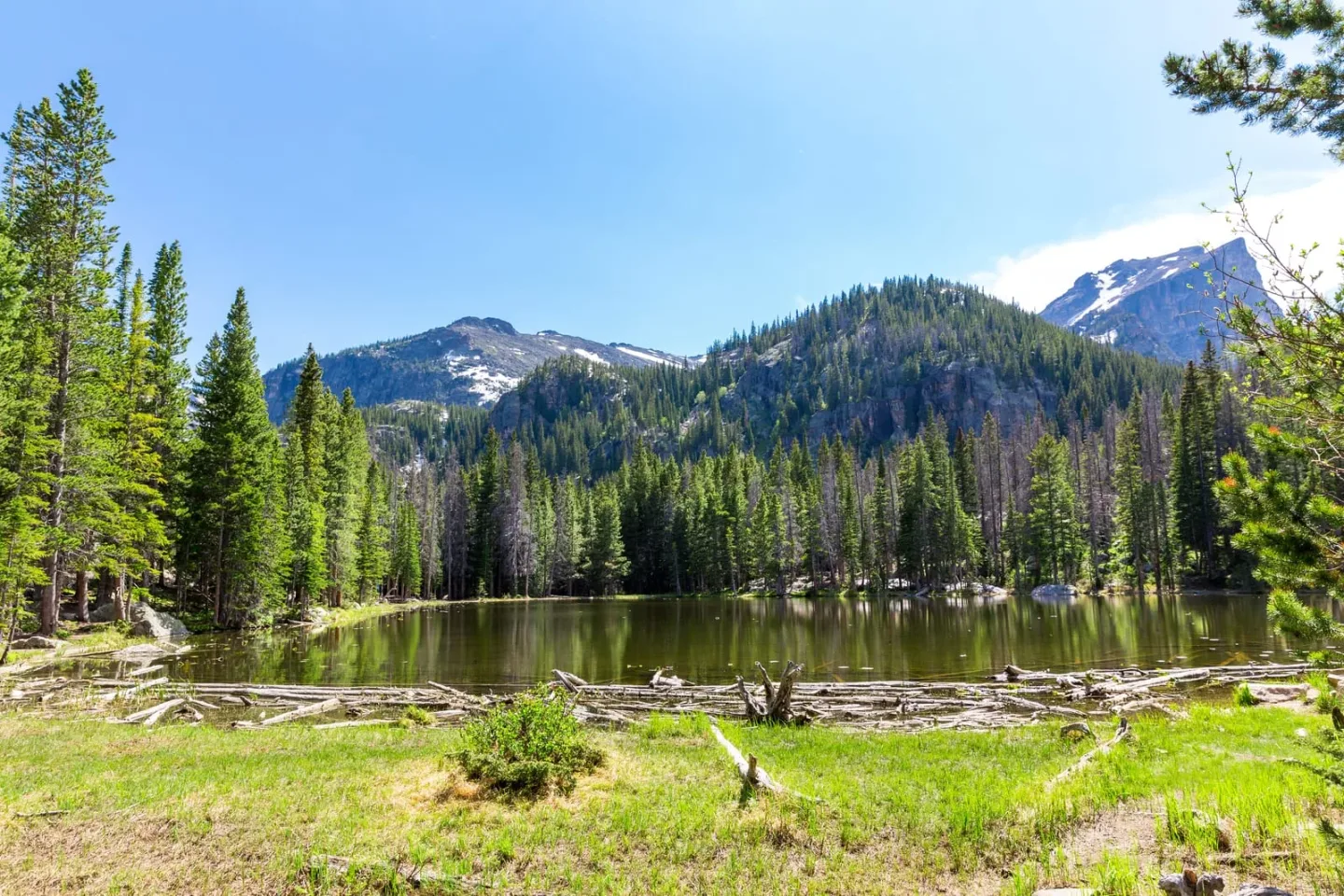
- Why it's a must-do: You get maximum scenic payoff for moderate effort. The trail is well-maintained and clearly marked, making it accessible for hikers who are still building confidence. Each lake offers something different: Nymph Lake sits surrounded by lily pads and wetlands, Dream Lake reflects Hallett Peak in its still waters, and Emerald Lake nestles beneath dramatic cliff faces.
- Best for: First-time visitors, families with older kids, and photographers who want Instagram-worthy shots without brutal elevation gain.
- What to expect: The round trip to Emerald Lake covers about 3.6 miles with roughly 650 feet of elevation gain. The trail gets crowded, especially mid-morning through afternoon. Expect to share photo spots with other hikers, but the views justify the company. In early summer, snowfields can linger near Emerald Lake, adding extra beauty but requiring careful footing.
Alberta Falls to Mills Lake: Moderate for All Levels
Trail Type: Moderate hike with waterfall and lake rewards
Alberta Falls serves as one of the park's most accessible waterfalls, while continuing to Mills Lake extends the hike into deeper backcountry beauty. This combination makes it one of the best hikes in Rocky Mountain National Park for people wanting variety.
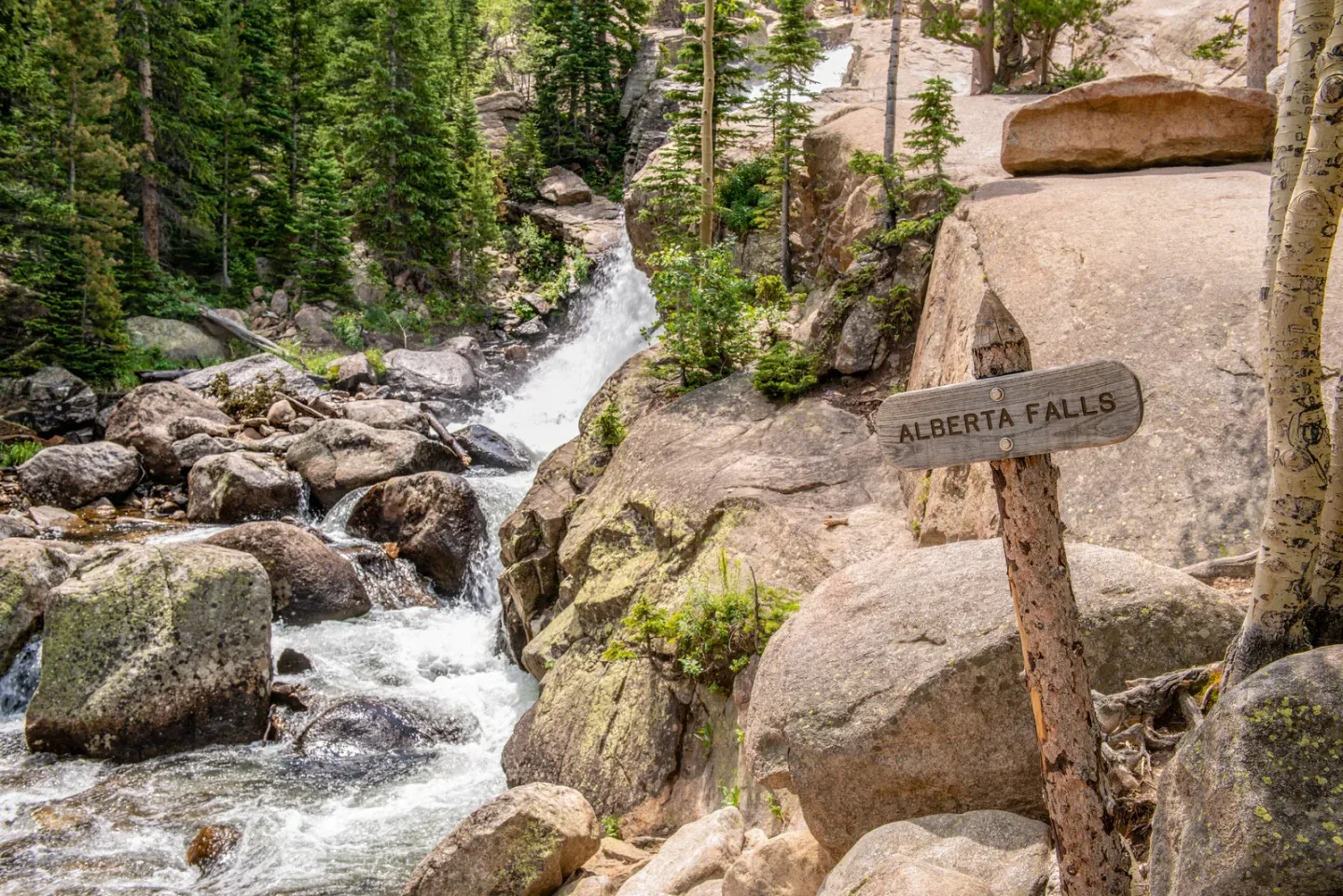
- Why it's a must-do: Alberta Falls thunders impressively during peak runoff, and the trail there is short enough for almost anyone. Mills Lake adds alpine grandeur, with views of Longs Peak and the Continental Divide. The extra distance to Mills thins out the crowds considerably.
- Best for: Moderate hikers looking for water features and valley views without committing to an all-day push.
- What to expect: Alberta Falls sits just 0.9 miles from the Glacier Gorge Trailhead with about 200 feet of elevation gain. Continue to Mills Lake for a total of 5.6 miles round trip and 750 feet of climbing. The trail follows Glacier Creek through forest before opening into alpine terrain. Mills Lake itself sprawls below sheer cliff faces, with opportunities to explore the shoreline and find quiet spots away from the main trail.
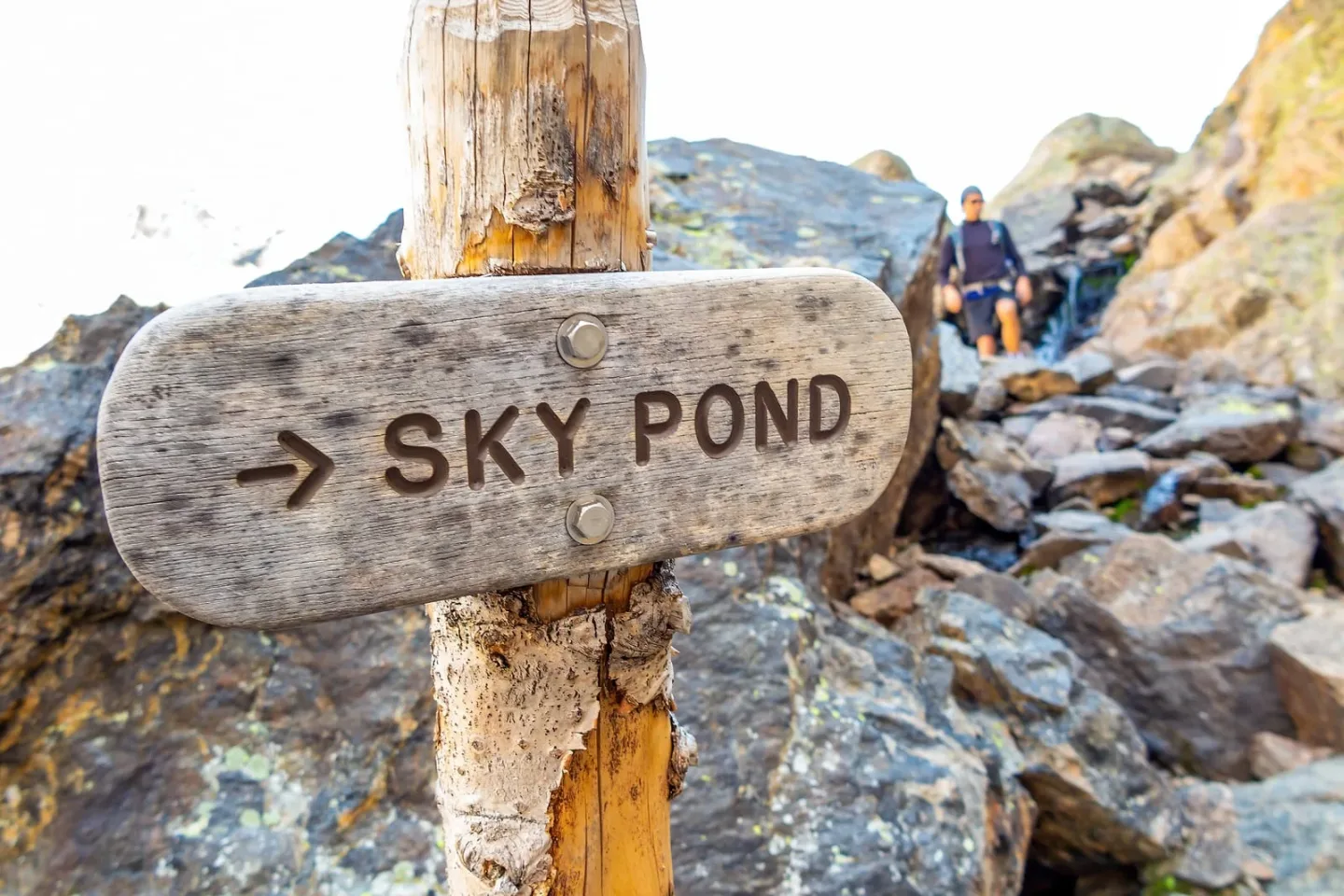
Sky Pond via Glacier Gorge: Classic Hard Challenge
Trail Type: Strenuous with rock scrambles, waterfalls, and lakes
Sky Pond represents one of the most iconic Rocky Mountain National Park hikes, combining everything that makes the park special into one demanding but rewarding day.
- Why it's a must-do: This trail packs in Alberta Falls, multiple alpine lakes, dramatic waterfalls, and a rock scramble that adds legitimate challenge. Sky Pond itself sits in a glacial cirque, creating an amphitheater of rock walls that feels almost otherworldly. The waterfall section above Lake of Glass requires scrambling over wet boulders and using handholds, making this hike more engaging than just walking uphill.
- Best for: Experienced hikers seeking a full-day challenge with diverse terrain.
- What to expect: The round trip covers roughly 9 miles with about 1,700 feet of elevation gain. Beyond the stats, the rock scramble section demands focus and sure footing. Waterfalls cascade over the rocks you'll be climbing, so expect wet conditions. The effort pays off when you reach Sky Pond, surrounded by vertical walls and often dotted with small icebergs even in summer. Start early because this popular trail fills up quickly, and afternoon thunderstorms pose real danger above treeline.
Chasm Lake: Alpine Summit Experience
Trail Type: Long ascent over variable terrain
Chasm Lake sits in the shadow of Longs Peak's massive east face, offering one of the most dramatic settings among hikes in Rocky Mountain National Park.
- Why it's a must-do: The views of Longs Peak's Diamond Face are unmatched. Unlike some other alpine destinations, Chasm Lake sees fewer crowds despite its spectacular location. The trail climbs steadily through multiple ecosystems before depositing you at a lake that feels impossibly close to the towering cliffs above.
- Best for: Fit hikers seeking high-altitude scenery and willing to handle significant elevation gain.
- What to expect: This 8.4-mile round trip gains about 2,400 feet, with much of that climbing happening in the final miles. The trail starts at Longs Peak Trailhead and follows the same route that peak climbers use before branching off. Above treeline, the path crosses boulder fields and exposed terrain where the weather can change rapidly. The lake itself often stays partially frozen into summer, with chunks of ice floating against a backdrop of 2,000-foot granite walls. Bring extra layers because temperatures drop noticeably at this elevation.
Deer Mountain Loop: Panoramic Views Without Extreme Effort
Trail Type: Moderate uphill with rewarding summit views
Deer Mountain proves you don't need to suffer through extreme distance or difficulty to earn spectacular panoramic views. This trail delivers big rewards for reasonable effort, making it one of the best Rocky Mountain National Park hikes for people wanting summit views without the commitment of longer routes.
- Why it's a must-do: From the top, you get 360-degree views spanning the park. Longs Peak, the Continental Divide, and Estes Park Valley all spread out below. The trail gains elevation steadily but never becomes punishing, and the summit provides enough space to relax and enjoy lunch without feeling crowded.
- Best for: Moderate hikers wanting scenic overlooks and summit satisfaction.
- What to expect: The 6-mile round trip gains about 1,100 feet. The trail switchbacks through pine and aspen forests before breaking into open meadows near the summit. Wildlife sightings are common, especially elk and mule deer. The peak itself is broad and gentle rather than a dramatic spire, but the views more than compensate. This trail gets less traffic than the Bear Lake corridor, offering a quieter experience while still delivering classic park scenery.
Practical Know-How for Rocky Mountain Hiking
Planning ahead makes the difference between a great day and a frustrating one. Rocky Mountain National Park's high elevation and popularity create challenges that catch unprepared hikers off guard.
Quick overview





Dealing with High Altitude
Many trailheads start above 8,000 feet, and some trails push well above 11,000 feet. If you're coming from lower elevations, your body needs time to adjust. Spend a day or two acclimating before tackling strenuous trails. Drink more water than you think you need. Move slowly, especially during the first mile. If you start feeling headaches, nausea, or exhaustion, descend immediately.
Beating the Parking Nightmare
The Bear Lake corridor sees massive crowds during the summer. Parking lots fill up by 7 a.m. on busy days, and they stay full until late afternoon. The park's timed entry permit system requires reservations for entry during peak season.
Arrive before 6 a.m. to secure parking at popular trailheads, or plan afternoon hikes after 4 p.m. when day hikers start leaving. The park's free shuttle system runs from multiple locations to Bear Lake and other trailheads, offering an alternative to dealing with parking headaches.
Packing for Unpredictable Mountain Weather
Mountain weather changes fast. A sunny morning can turn into a stormy afternoon with little warning. Pack layers even if the forecast looks perfect. Sun protection matters more at high elevation. UV radiation increases by about 4% for every 1,000 feet gained. Wear sunscreen, sunglasses, and a hat. Bring at least two liters of water per person for longer hikes. Sturdy hiking boots with good ankle support prevent rolled ankles on rocky trails.
Staying Safe Around Wildlife
Rocky Mountain National Park hosts elk, bighorn sheep, moose, black bears, and mountain lions. The National Park Service requires maintaining at least 120 feet from elk and moose, and 25 feet from other wildlife. Never feed animals or leave food accessible. Pack out all trash. Lightning kills more people in the mountains than any other weather hazard, so get below treeline before afternoon storms roll in.
From Easy Lake Loops to Alpine Scrambles
These hikes span the full range of what makes Rocky Mountain National Park special. Beginners find accessible beauty on the Bear Lake to Emerald Lake route. Moderate hikers push themselves on Alberta Falls to Mills Lake. Advanced hikers test their limits on Sky Pond or Chasm Lake. Everyone can summit Deer Mountain for those panoramic views that define Colorado hiking.
The best Rocky Mountain National Park hikes are the ones that match your abilities and interests while challenging you just enough to feel accomplished. Study the options, pick trails that excite you, and prepare responsibly. The park rewards thoughtful planning with experiences that stick with you long after you've returned home and kicked off those dusty boots.