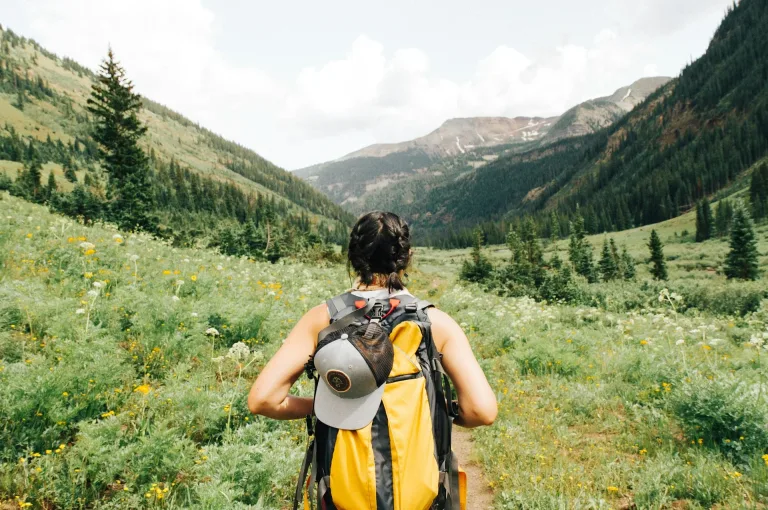
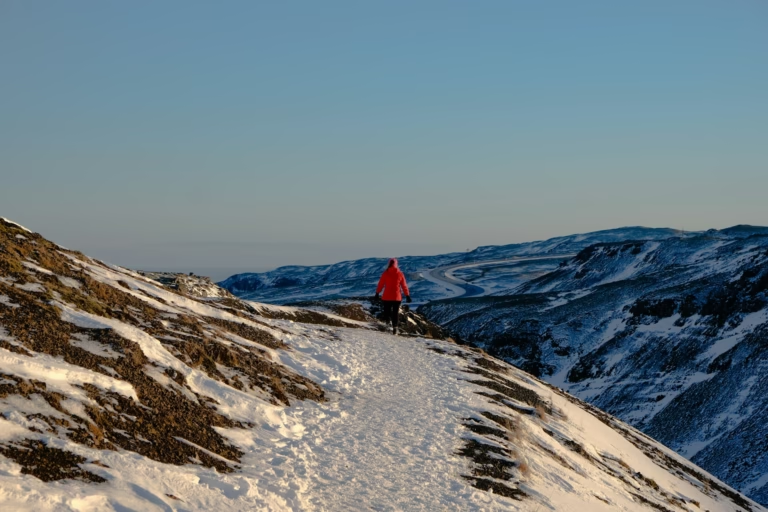
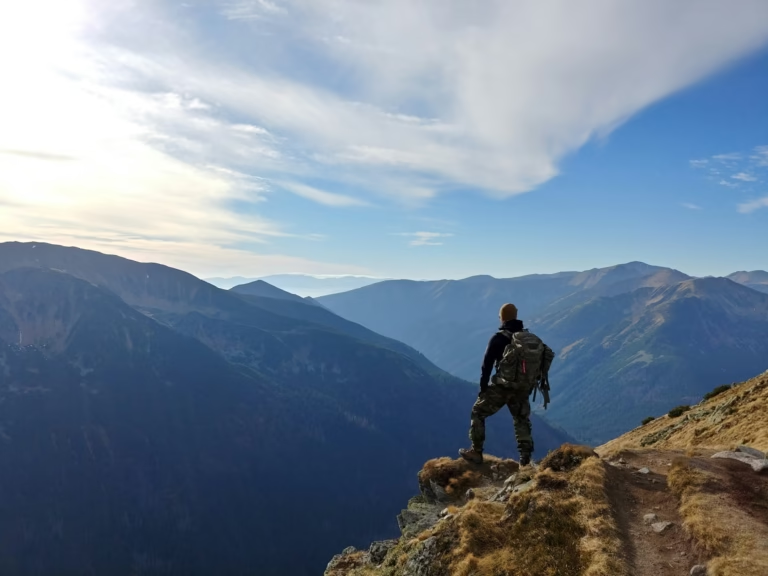
There's something deeply satisfying about solo hiking that group trips just can't match. No compromising on pace, no waiting for slower hikers, no debating which trail to take. Just you, the trail, and complete freedom to move at your own rhythm while soaking in the silence that only true wilderness provides.
But let's be real: hiking alone also means you're your own rescue team, navigation system, and decision-maker when things get complicated. That solitude that feels so liberating? It also means nobody's there to help if you twist an ankle three miles from the trailhead or take a wrong turn into unmarked territory.
The good news is that smart preparation transforms solo hiking from risky business into a manageable, incredibly rewarding experience. These five solo hiking tips focus on the practical stuff that actually keeps you safe when you're out there alone, based on what experienced solo hikers have learned through both smooth trips and sketchy situations.
Why Solo Hiking Safety Deserves Serious Attention
Hiking with others provides built-in safety nets. Someone notices if you're falling behind. Multiple people can brainstorm solutions when route-finding gets confusing. Injuries have immediate first responders, even if it's just a buddy with basic first aid knowledge.
Solo Hiker's Pick
Best for going it alone
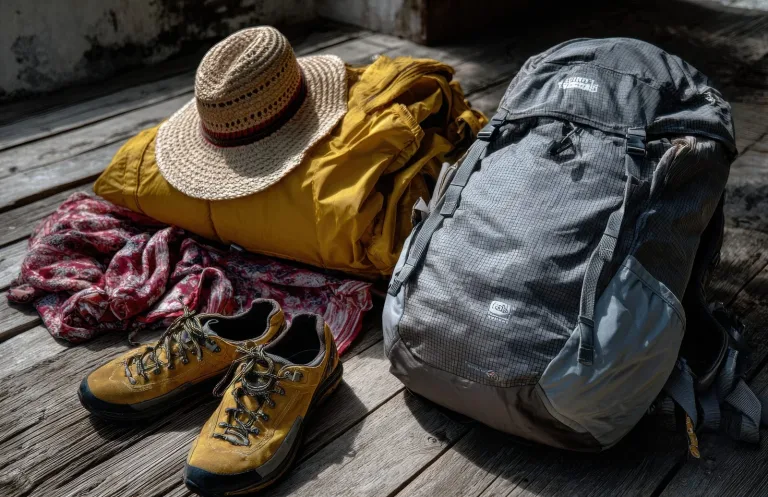
Before you head out solo, make sure your pack includes a personal locator beacon, a reliable headlamp, and extra layers. We recommend browsing this curated camping & hiking collection for gear that's field-tested for exactly these situations.
- Oakley Shop hiking gear at Oakley
- Mountain Hardwear Shop hiking gear at Mountain Hardwear
- Columbia Sportswear Shop hiking gear at Columbia Sportswear
- Sorel Shop hiking gear at Sorel
- Garmin Shop hiking gear at Garmin
Strip away that support system and suddenly every decision carries more weight. Get lost on a group hike, and it's an inconvenient delay. Get lost solo, and it becomes a genuine emergency if you can't self-correct. Twist your ankle with friends around, and someone helps you hobble out. Do it alone, and you're looking at a much more serious situation.
The main risks that solo hiking trips amplify:
- Navigation failures become critical when there's nobody to double-check your route decisions
- Physical injuries lack immediate help, turning minor problems into major ones
- Weather changes require quick, solo decision-making about whether to push forward or retreat
- Wildlife encounters mean handling the situation yourself without backup
- Overexertion sneaks up faster when there's no one noticing you're struggling
None of this means solo hiking is foolishly dangerous. Thousands of people do it safely every week. It just means preparation matters more, and cutting corners on safety isn't worth the slight convenience.
Five Essential Solo Hiking Safety Practices
These aren't abstract principles. They're specific, actionable practices that directly address the biggest risks facing solo hikers on remote trails.
1. Tell Someone Exactly Where You're Going (and When You'll Be Back)
This might sound obvious, but plenty of experienced hikers skip this step, figuring they'll be fine. Then something goes wrong, and nobody knows where to even start looking.
What actually needs to be shared:
- Specific trail name and trailhead location
- Your planned route if doing a loop or multiple trails
- Expected start time and return time (with realistic padding)
- Key landmarks or campsites if doing an overnight trip
- Vehicle description and where you're parking
Apps like AllTrails let you share your real-time location with chosen contacts, which works great when you have signal. But don't rely solely on tech. Leave a physical note in your car with your plans, or check in with a ranger station if available.
The person you tell needs to be reliable and understand what to do if you don't check in. "Call search and rescue if I'm not back by 7 PM" is way more useful than vaguely mentioning your plans to someone who might not remember or act on it.
2. Bring Actual Navigation Tools (Not Just Your Phone)
Yes, your smartphone has GPS. Yes, offline maps work without a signal. But phones die, get dropped in streams, malfunction in cold weather, and generally fail at inconvenient moments.
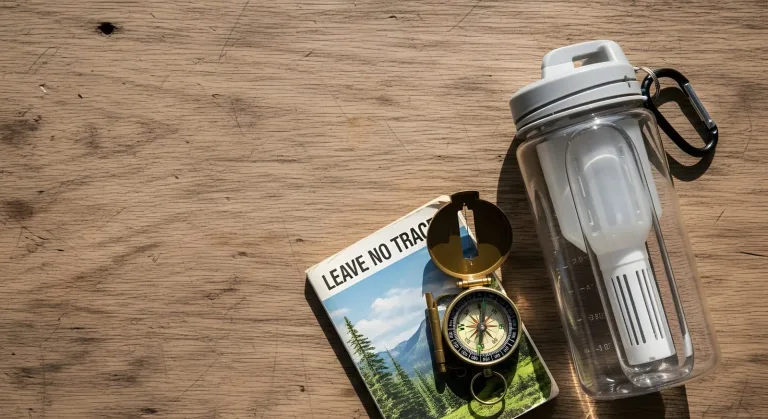
Minimum navigation kit for solo hiking trips:
- Physical topographic map of the area
- Compass that actually works (check it before you go)
- Downloaded offline maps on your phone as backup
- Knowledge of how to use all of the above
GPS devices like Garmin units are great additions, but shouldn't be your only option. The most dangerous situation is being lost with dead batteries and no analog backup.
Before the hike, study your route. Identify key landmarks, trail junctions, and potential bailout points if you need to cut the trip short. Note where water sources are. Understand the general terrain so you can mentally track your progress.
During the hike, check your position regularly. Don't wait until you're lost to pull out the map. Confirming your location every 30-60 minutes catches navigation errors while they're still small and fixable.
3. Pack Like Your Life Might Actually Depend On It
When you're solo, your pack becomes your entire support system. Running out of water isn't just uncomfortable; it's potentially dangerous when nobody's sharing their supply.
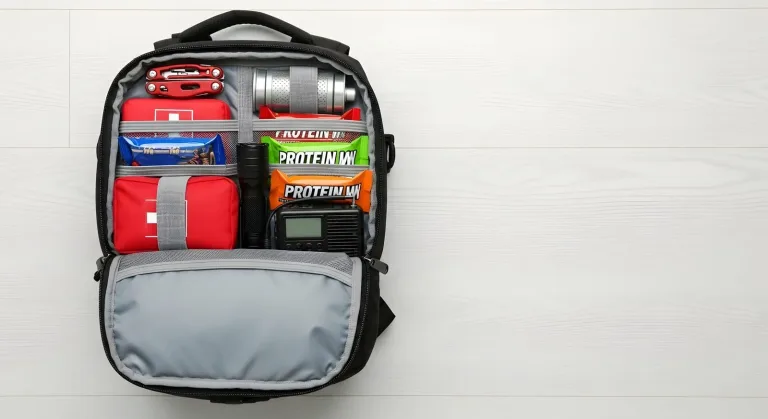
Non-negotiable items for solo hiking safety:
- First aid supplies: Band-aids, blister treatment, antiseptic wipes, pain relievers, any personal medications, plus knowledge of basic first aid
- Extra water: More than you think you need, or filtration to refill safely
- High-calorie food: Stuff that won't spoil and provides quick energy when you need it
- Light source: Headlamp with fresh batteries, plus a backup
- Emergency shelter: A space blanket or lightweight bivy weighs almost nothing but could save your life
- Fire starter: Waterproof matches or lighter, even if you don't plan to need fire
- Multi-tool: For gear repairs, food prep, or unexpected situations
Weight matters, especially on long solo hiking trips. But shaving ounces by ditching safety gear is a terrible tradeoff. Choose lightweight, quality versions of essentials rather than leaving them behind.
4. Pay Attention to What's Actually Happening Around You
Solo hiking demands constant environmental awareness. There's no one else watching the weather, noticing trail conditions deteriorating, or spotting that bear before you round the corner.
What requires active monitoring:
Weather shifts faster in the mountains than forecasts predict. Those afternoon thunderstorms everyone warns about? They're real, and getting caught above treeline in lightning is as bad as it sounds. Watch cloud formations, feel temperature changes, and be ready to turn around if conditions deteriorate.
Wildlife encounters need different responses depending on the animal. Bear behavior differs from mountain lion behavior. Know what lives in your hiking area and how to react. Making noise on blind corners prevents surprising animals, which reduces dangerous encounters significantly.
Your own physical state matters more solo. Pushing through fatigue with friends is one thing. Doing it alone when you're still miles from the trailhead is how minor exhaustion becomes a real problem. Listen to your body and be willing to turn back early.
Trail conditions change. That stream crossing that looks fine in summer becomes dangerous during spring runoff. Snow patches can hide trail routes. Muddy sections increase slip risks. Adjust your plans based on actual conditions, not what you hoped they'd be.
5. Carry Communication Tools That Work When Your Phone Doesn't
Cell coverage evaporates quickly outside developed areas. That emergency call you're counting on? Not happening if you're in a canyon or behind a mountain ridge.
Quick overview





Reliable communication options for remote solo hiking:
Satellite messengers like Garmin inReach Mini work anywhere with open sky. They let you text predetermined contacts, share your location, and trigger SOS alerts that notify search and rescue with your exact coordinates. Monthly subscription costs are annoying but worth it for serious backcountry travel.
Personal Locator Beacons (PLBs) are one-use emergency devices that send distress signals to rescue coordination centers. They're pricier upfront but have no subscription fees and work globally. Only use them for genuine emergencies since activating one launches an expensive rescue operation.
A simple whistle costs almost nothing, weighs nothing, and carries sound much farther than yelling. Three sharp blasts are the universal distress signal. Not high-tech, but effective when you need to attract attention.
Whatever communication tools you carry, actually learn how to use them before you need them. Reading instructions while bleeding from a head injury is not the time to figure out your satellite messenger's interface.
Making Solo Hiking Work Safely
Solo hiking trips offer freedom and experiences that group hikes simply can't provide. The self-reliance, the peace, the ability to move entirely at your own pace - these things make solo hiking deeply appealing to many people.
But that independence comes with responsibility. You can't rely on others to catch your mistakes, help when things go wrong, or make up for poor planning. Every decision matters more because there's no safety net.
The five solo hiking tips covered here address the specific vulnerabilities that come with hiking alone. They're not theoretical - they're practical responses to the actual problems solo hikers face. Share your plans so someone knows where you are. Navigate with reliable tools that don't depend on batteries. Pack essential safety gear even when it adds weight. Stay alert to changing conditions. Bring communication tools that work when phones don't.
None of this guarantees perfect safety. The outdoors involves inherent risks that preparation reduces but can't eliminate entirely. What these practices do is shift the odds dramatically in your favor, transforming solo hiking from reckless to reasonable.
Done thoughtfully, solo hiking becomes not just safe enough, but genuinely rewarding in ways that make all the extra preparation worthwhile.